
- 0 Comments
- 14 Likes
Many homeowners eventually reach a point where their driveway starts to look worn, uneven, or patched from years of heat, rain, and daily use. Adding new asphalt over an existing driveway can be a practical way to restore a smoother, cleaner finish without a full replacement. When it’s done properly, the surface feels stronger, looks fresher, and handles traffic much better. With proven techniques adapted to local soil conditions and Australian construction standards, RC Civil OZ focuses on delivering long-lasting, cost-effective results.
Why Upgrade Your Driveway with Additional Asphalt?
When routine wear and tear starts to show, many owners wonder, “Can you pave over existing asphalt driveway areas without a full replacement?” The truth is that adding asphalt to existing driveway surfaces can effectively restore function and appearance. A well-planned overlay corrects these problems by sealing gaps and providing fresh compacted layers. This not only improves safety but often proves cheaper than rebuilding entirely. By investing in the benefits of asphalt paving, you enhance your property’s look, reduce long-term maintenance, and ensure a solid foundation that accommodates everything from family cars to delivery trucks.
Assessing the Condition of Your Current Surface
Before moving forward, it’s important to determine whether your driveway base is structurally sound. Adding new asphalt to a compromised surface may hide problems for a short time, but it won’t address the underlying issues. A qualified paving team will assess the driveway for extensive cracking, potholes or drainage concerns that indicate sub-base instability. They also examine the existing edges for signs of crumbling. If there is severe damage or persistent moisture, rebuilding sections of the base is often a better long-term option than applying an overlay.
Preparing and Repairing the Base
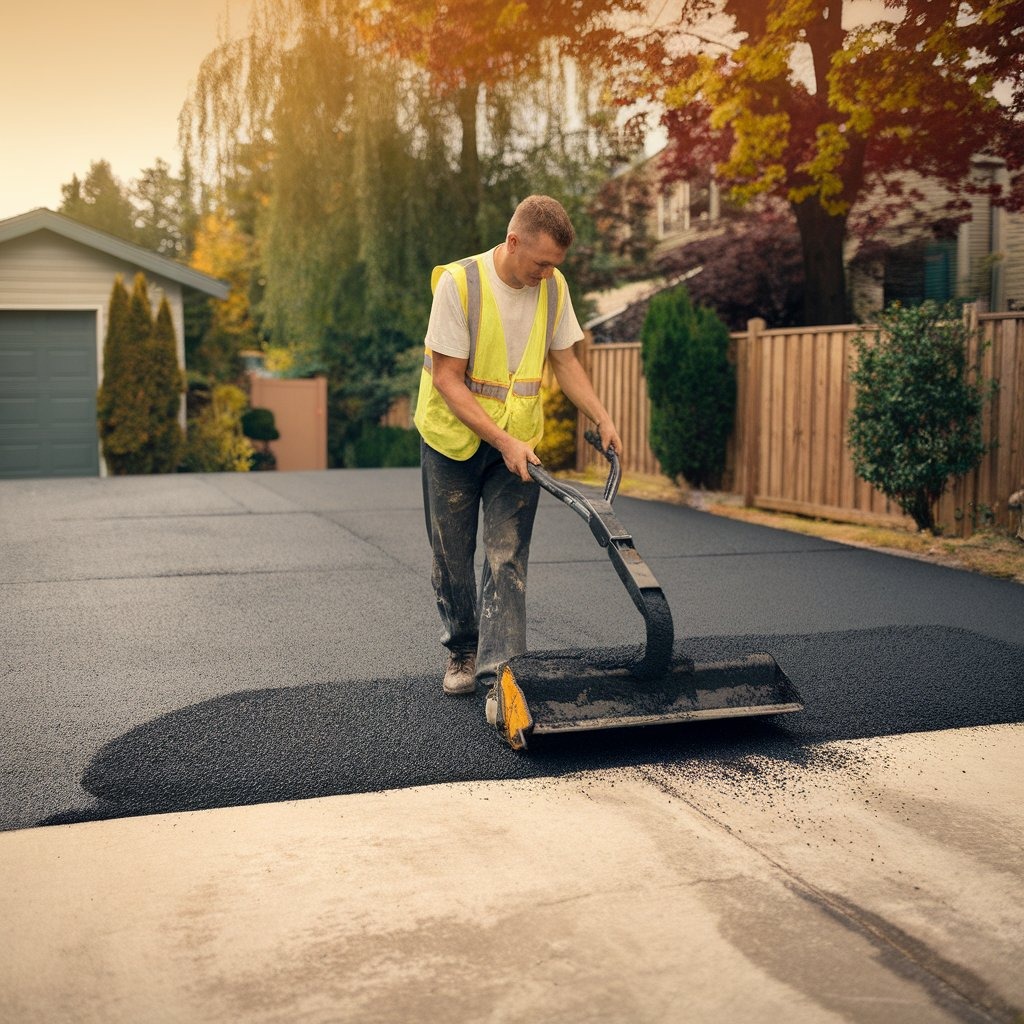
Proper driveway base preparation is essential for a smooth, long-lasting overlay. Any loose debris or vegetation is removed, and damaged sections are repaired to restore structural integrity. Deep cracks are sealed to stop water infiltration, and potholes are filled with a stable asphalt mix. By focusing on careful driveway paving process steps, professionals ensure the hot asphalt mix application bonds well to the old surface.
The Process of Laying and Compacting Hot Mix
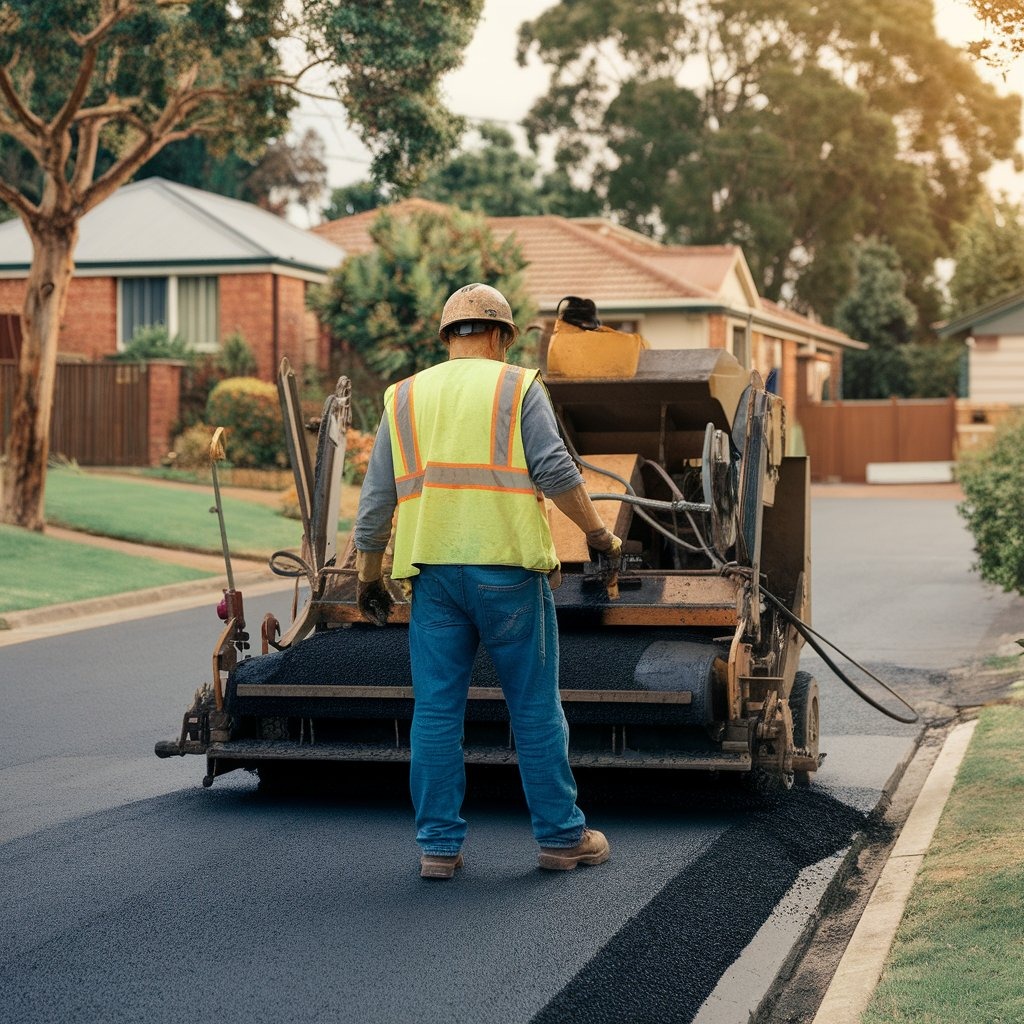
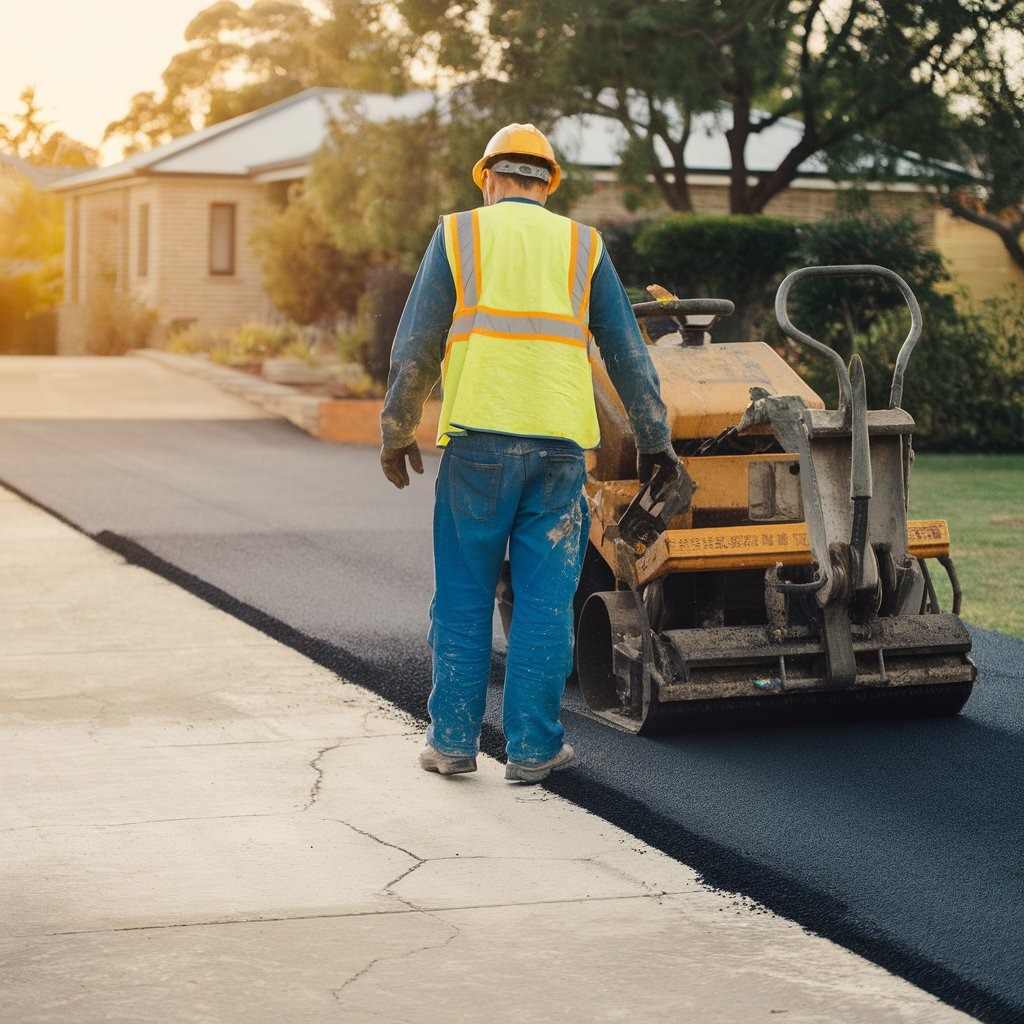
Once repairs are completed, fresh asphalt is carefully prepared at the right temperature. The hot mix is spread to an even thickness across the existing driveway, ensuring seamless bonding between old and new layers. Specialised asphalt paving equipment helps achieve uniform distribution, and immediate compaction follows using heavy rollers. Compacting the asphalt layer by layer enhances density, boosting resistance to rutting and cracks in Brisbane’s fluctuating temperatures. Attention to detail matters here, as any uneven spots might allow water to pool.
Adding Edging and Enhancing Drainage
Edging is often overlooked when considering how to add edging to existing asphalt driveway surfaces. A clean, solid border keeps asphalt layers from breaking apart and safeguards the driveway’s shape. Common edging materials include concrete strips or bitumen borders, which provide a neat, finished appearance. Proper drainage is also critical for properties prone to sudden downpours. Slight slopes direct water away from the driveway, preventing pooling that can undermine the surface. In areas with significant runoff, channel drains may assist in swiftly moving water to designated outlets. These extra measures support structural integrity and save owners from expensive repairs down the road.
Maintenance Steps to Prolong Your Driveway
Simple measures keep your asphalt driveway looking and performing its best for years. Regularly cleaning away debris and dirt prevents moisture trapping, which can lead to cracks. Addressing small cracks immediately, especially before the next wet season, avoids water seepage that can enlarge fissures and create potholes. A periodic driveway resurfacer application or bitumen spray sealing can also protect against UV damage, a real concern in hot climates. It’s helpful to keep an eye out for uneven spots caused by shifting ground, too. By integrating these asphalt driveway maintenance tips, property owners boost daily safety and reduce long-term repair expenses. Ongoing care ensures maximum return on your paving investment.
Conclusion
Refreshing an existing driveway with new asphalt in Brisbane’s climate is a sound way to improve safety, appearance, and overall resilience. For some properties, the best long-term choice is to replace driveway sections that are structurally weakened before applying a fresh overlay, ensuring the new surface performs at its best. A professionally installed overlay forms a cohesive, strong foundation that resists shifting soils, heat, and persistent rainfall. Whether you’re topping up a surface or requiring a meticulous sub-base rebuild, expert workmanship ensures the finished driveway holds up under all conditions. Contact RC Civil OZ to arrange a site inspection and discover durable, long-lasting asphalt solutions tailored to your Brisbane property’s needs.
Leave Your Comment