
- 0 Comments
- 19 Likes
Introduction
Understanding how to install asphalt properly is essential for Brisbane property owners seeking long-lasting, safe, and low-maintenance surfaces. While asphalt may appear straightforward once laid, its performance depends heavily on what happens beneath the surface. From residential driveways to commercial car parks and industrial access roads, a well-installed asphalt surface delivers durability, smooth performance, and long-term value. When each stage of the installation process is handled correctly, asphalt can withstand traffic loads, resist cracking, and perform reliably in local conditions. This article explains the asphalt installation process in clear, practical terms and highlights the real benefits of doing it right in Brisbane’s climate.
Why Asphalt Installation Must Suit Brisbane Conditions
Brisbane’s climate has a direct impact on asphalt pavement construction. High summer temperatures can soften poorly compacted surfaces, while heavy rainfall tests drainage and base stability. Many areas also sit on clay-rich soils that expand and contract with moisture changes, placing stress on pavements over time. When asphalt installation does not account for these conditions, cracks, depressions, and drainage failures can appear far earlier than expected. A well-planned asphalt paving process considers heat, water movement, soil behaviour, and traffic loads from the outset, ensuring the finished surface remains stable and functional year after year.
Understanding the Asphalt Installation Process
The asphalt installation process follows a structured sequence designed to create strength from the ground up. Each stage supports the next, meaning shortcuts at any point can compromise the entire pavement. Asphalt installation steps typically involve removing existing surfaces, preparing and compacting the base, managing drainage, laying hot mix asphalt, and allowing adequate curing time. Whether the project involves asphalt driveway installation or large-scale commercial asphalt paving, the principles remain the same. A well-executed process ensures the asphalt performs as a durable, flexible surface capable of handling Brisbane’s environmental and traffic demands.

Preparing the Base for Asphalt Installation
Asphalt base preparation is the most critical stage of any asphalt paving installation process. The sub-base compaction and driveway sub-base preparation determine how well the surface will resist movement and cracking. A compacted aggregate base provides a stable platform that distributes weight evenly and prevents deformation. In areas with weak or unstable soils, proof rolling asphalt helps identify soft spots before asphalt is laid. Where required, undercutting asphalt pavement removes unsuitable material and replaces it with stronger aggregate, significantly improving asphalt pavement durability and reducing future repair risks.
Asphalt Grading and Drainage for Surface Longevity
Effective asphalt grading and drainage protect pavements from water-related damage. Even small drainage issues can allow water to penetrate the base, weakening support layers and accelerating surface failure. Asphalt driveway drainage and car park runoff must be carefully shaped to direct water away from the pavement structure. In Brisbane’s wet season, well-graded surfaces prevent ponding, edge erosion, and sub-base saturation. Proper drainage not only extends pavement life but also improves safety by reducing slippery surfaces and standing water after heavy rain.
Hot Mix Asphalt Installation and Compaction
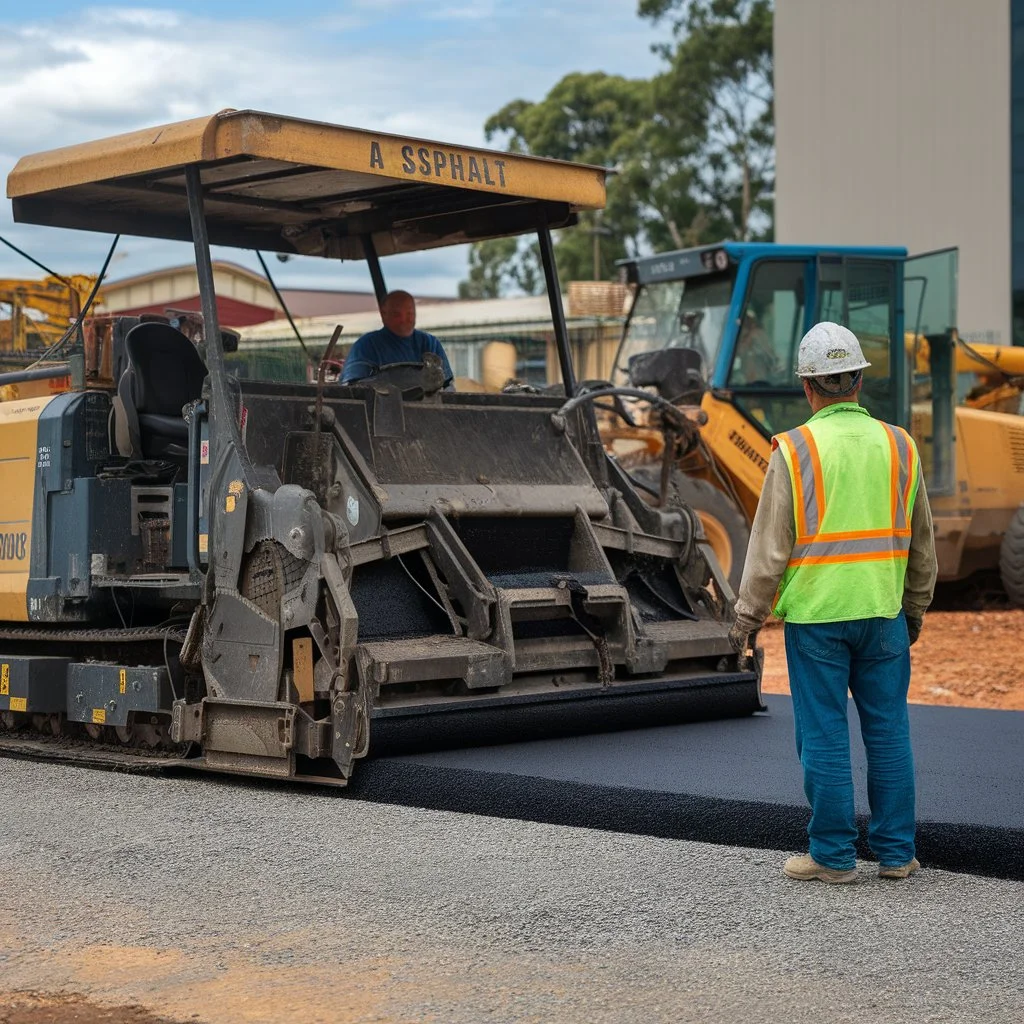
Hot mix asphalt installation is where preparation and planning come together. Asphalt must be laid at the correct temperature to ensure proper bonding and compaction. Asphalt compaction methods play a key role in achieving a dense, uniform surface that resists moisture infiltration and surface wear. Residential asphalt paving often focuses on smooth finishes and light vehicle loads, while commercial asphalt paving requires additional strength for frequent traffic and heavier vehicles. Correct compaction creates the jet-black, seamless finish expected from high-quality asphalt surfaces.
Asphalt Curing Time and Surface Use
Asphalt curing time is often misunderstood. While asphalt cools and becomes usable within hours, complete curing occurs gradually as oils oxidise and the surface hardens. Asphalt driveway curing time typically spans several weeks, during which care should be taken with heavy loads or sharp turns. Understanding the best time to lay asphalt driveway surfaces in Brisbane also matters, as stable weather conditions support better compaction and surface consistency. Allowing sufficient curing time improves surface resilience and reduces the likelihood of early deformation or marking.
Finishing Transitions and Long-Term Protection
Finishing details play an essential role in asphalt pavement construction steps. Smooth transitions between new and existing surfaces prevent trip hazards, vehicle jolts, and water entry points. These areas require precise grading to maintain drainage continuity. Long-term protection also involves planning asphalt sealcoating timing correctly. Sealcoating too early can trap oils, while sealing at the right stage enhances surface protection against UV exposure, water ingress, and traffic wear. Proper finishing supports both surface appearance and structural longevity.
Benefits of Professional Asphalt Installation
Professional asphalt installation delivers benefits that extend far beyond appearance. A correctly installed surface offers improved asphalt pavement durability, reduced maintenance needs, and greater safety for users. While an asphalt driveway is often more economical than alternative surfaces, its real value lies in lifespan and performance. Bitumen driveway construction and recycled asphalt options can further enhance sustainability and cost-efficiency when matched to site requirements. Professionally installed asphalt also boosts property usability and overall value by providing a clean, reliable surface built for local conditions.

Asphalt Solutions Across Residential, Commercial, and Council Projects
Asphalt paving requirements vary depending on use. Residential asphalt paving prioritises smooth access and visual appeal, while commercial asphalt paving focuses on load-bearing strength and traffic flow. Council asphalt paving projects must also meet strict compliance standards and long-term performance expectations. Local council asphalt paving services rely on proven asphalt pavement construction techniques that deliver efficient drainage. Understanding these differences ensures each project receives the right materials, base design, and installation approach for its purpose.
Conclusion
Knowing how to install asphalt correctly helps property owners make informed decisions that protect their investment and improve surface performance. From base preparation and drainage to compaction and curing, every stage of the asphalt installation process contributes to durability, safety, and long-term value. Selecting the right types of asphalt for Brisbane’s climate, soil conditions, and traffic demands ensures surfaces perform reliably across driveways, car parks, and commercial pavements. RC Civil OZ delivers high-quality asphalt and bitumen solutions built to withstand local conditions and everyday use. Contact RC Civil OZ to arrange a site inspection and achieve durable, long-lasting asphalt outcomes tailored to your property.
Leave Your Comment