

- 0 Comments
- 1 Likes
Introduction
Knowing how to maintain newly installed asphalt plays a major role in how long a driveway, car park, or access road will last. Fresh asphalt may look finished immediately after installation, but it continues to settle and strengthen over time. In Brisbane, high temperatures, sudden downpours, and reactive soils can place added pressure on new asphalt surfaces during this early period. Without proper care, small issues such as surface marks or moisture build-up can develop into long-term damage. Early maintenance helps protect the pavement structure, preserve its appearance, and ensure the surface performs reliably for years.
Understanding the Curing Period of New Asphalt
After installation, asphalt enters a curing phase where it gradually hardens as oils within the bitumen oxidise. Asphalt driveway curing time can extend over several weeks, even though the surface may be ready for light use within hours. During this stage, asphalt remains more flexible and sensitive to pressure. In Brisbane’s warmer climate, the surface may soften slightly on hot days, making it more prone to marks if loads are concentrated in one area for too long.
Early Care After Asphalt Installation
An asphalt driveway after installation requires thoughtful use during the first few weeks. Light vehicle traffic is generally acceptable, but repeated parking in the same spot can create surface impressions. Post asphalt installation care involves spreading vehicle positions and avoiding sharp, stationary turns. These habits allow the surface to cure evenly and reduce stress on the pavement. With Brisbane’s heat accelerating surface softening, gentle use during this period supports long-term performance.
What Not to Do on a New Asphalt Driveway
Understanding what not to do on a new asphalt driveway helps prevent avoidable damage. Heavy vehicles, trailers, or equipment can exceed asphalt driveway load limits before the surface has fully cured. Fuel, oil, and chemical spills should not be left on the surface, as they weaken the binder and accelerate deterioration. Stationary wheel turning can leave visible scuffs, particularly during warm weather. These early actions directly influence asphalt driveway longevity.
Cleaning a New Asphalt Driveway Correctly
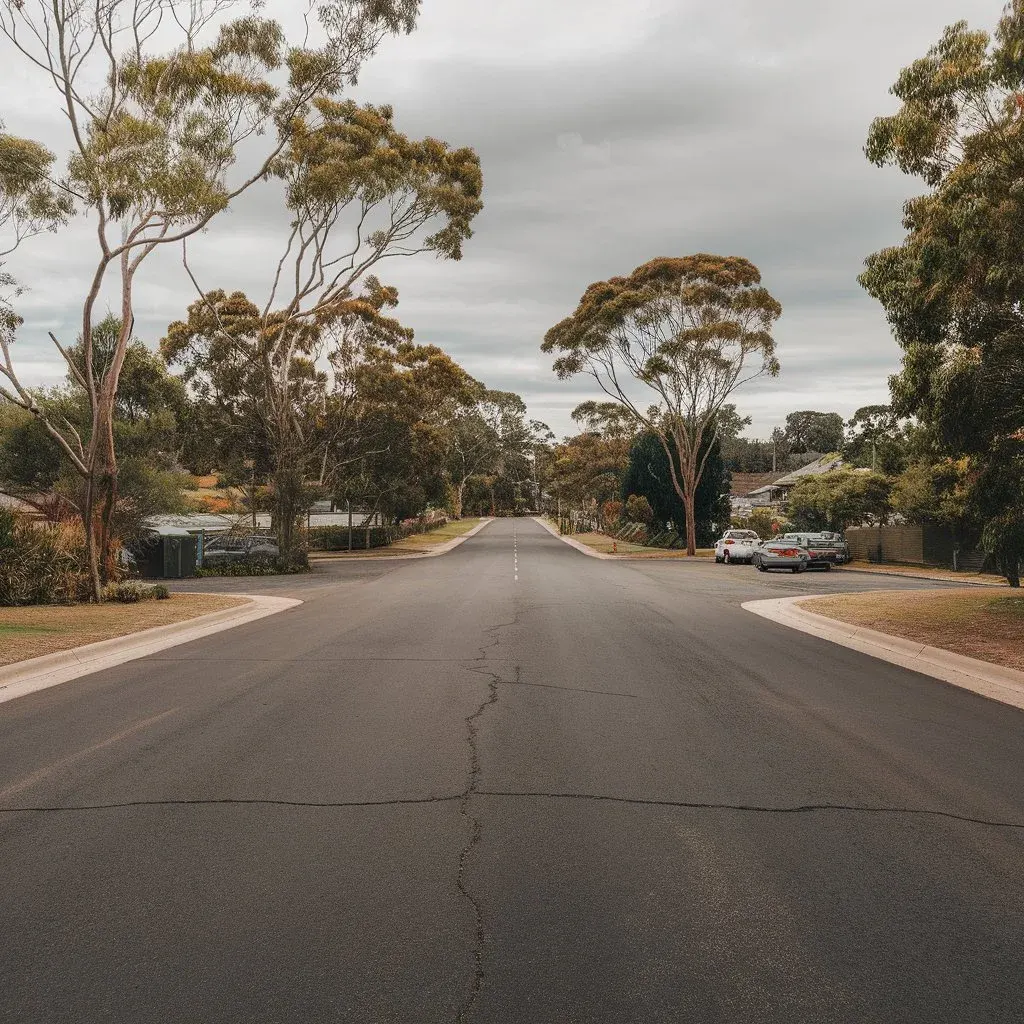
Cleaning a new asphalt driveway keeps the surface neat while protecting its structure. Leaves, dirt, and debris should be removed regularly to prevent moisture from sitting on the surface or along edges. Asphalt surface cleaning is best done using a broom or a gentle wash rather than high-pressure methods. In Brisbane’s wet season, keeping the surface clear supports proper drainage and reduces the risk of water-related damage during the curing phase.
Protecting New Asphalt from Water Damage
Protecting asphalt from water damage is essential for newly installed surfaces. Although asphalt is designed to handle rainfall, standing water can still weaken the pavement layers beneath. Poor drainage allows moisture to seep into the base, leading to soft spots and future cracking. Ensuring water flows away from the surface helps maintain structural integrity, especially during Brisbane’s heavy rain events and storm seasons.
Preventing Tyre Marks and Surface Deformation
Preventing tyre marks on asphalt requires careful driving habits during early use. Slow turns while the vehicle is moving reduce surface scuffing compared to turning wheels while stationary. Avoiding prolonged parking of heavy items in one spot also helps prevent depression. These simple practices form part of practical new asphalt maintenance tips and contribute to a smoother, more consistent finish as the surface matures.
Ongoing Asphalt Driveway Maintenance
As the surface ages, regular asphalt driveway maintenance supports long-term durability. Small cracks should be addressed early to stop water penetration. Bitumen driveway maintenance may also include periodic sealing once the asphalt has fully cured. Preventative asphalt maintenance reduces the likelihood of potholes and extends asphalt lifespan, helping the surface withstand Brisbane’s traffic demands and weather conditions.

Benefits of Maintaining Your Asphalt
The benefits of maintaining your asphalt extend beyond appearance. A well-maintained surface improves safety, reduces repair costs, and provides reliable access for vehicles and pedestrians. Consistent care supports asphalt pavement maintenance by limiting structural stress and surface breakdown. A low-maintenance asphalt driveway or car park also enhances property value by maintaining a clean, professional look over time.
Conclusion
Understanding how to maintain newly installed asphalt helps protect your pavement during its most vulnerable stage and supports long-term performance. The way surfaces are cared for early on works hand in hand with the materials used in asphalt installation, ensuring the pavement achieves its intended strength and durability. In Brisbane’s climate, early care is critical to prevent moisture damage and surface deformation. RC Civil OZ delivers high-quality asphalt and bitumen solutions built to perform under local conditions and ongoing use. Contact RC Civil OZ to book a site inspection and get durable, long-lasting asphalt solutions tailored to your property needs.
Leave Your Comment