
- 0 Comments
- 15 Likes
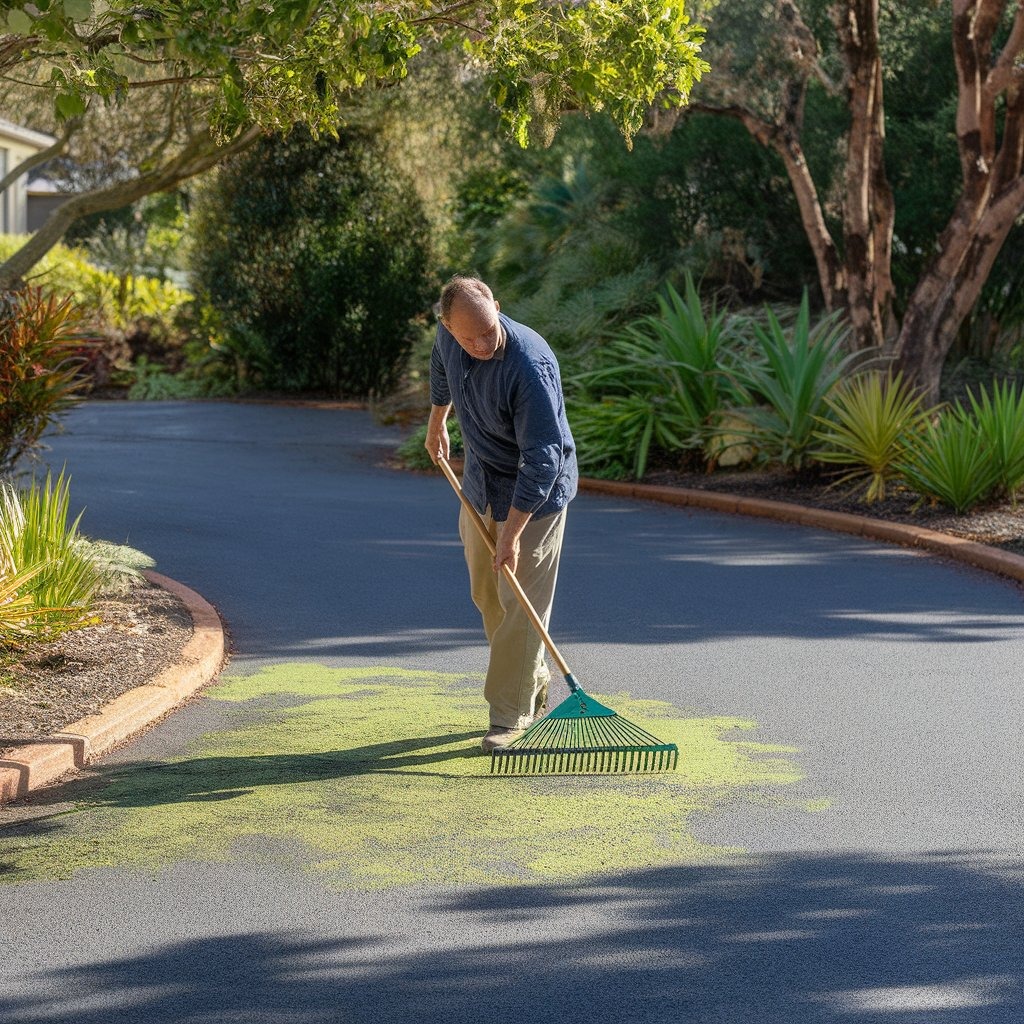
Moss is a common issue for many property owners, especially in shaded or moisture-prone areas where asphalt surfaces stay damp after rain. Over time, moss makes a driveway look neglected, but more importantly, it creates a slippery surface that can be risky for both vehicles and pedestrians. Understanding how to remove moss from asphalt driveway surfaces properly can help restore traction, prevent damage to the pavement, and maintain a clean, well-kept appearance. With RC Civil OZ’s experience working across Brisbane’s humid climate and varied soil conditions, keeping your driveway in top condition becomes a much easier and more reliable process.
The Impact of Moss on Asphalt Surfaces
Moss growth can lead to slippery driveway hazards, raising safety concerns for both vehicles and foot traffic. Because moss holds moisture, it can worsen small cracks or depressions in asphalt, allowing water to accumulate and further encouraging moss colonies to spread. If left untreated, these colonies become increasingly stubborn to remove and may contribute to surface deterioration over time. This ongoing damage can lead to weakened driveway appearance. Brisbane’s frequent rainfall accelerates this process, making it especially important to address moss before the wet season and maintain a stable, skid-resistant driveway throughout the year.
Best Ways to Remove Moss from Asphalt Driveway
Pressure Washing and Mechanical Brushing
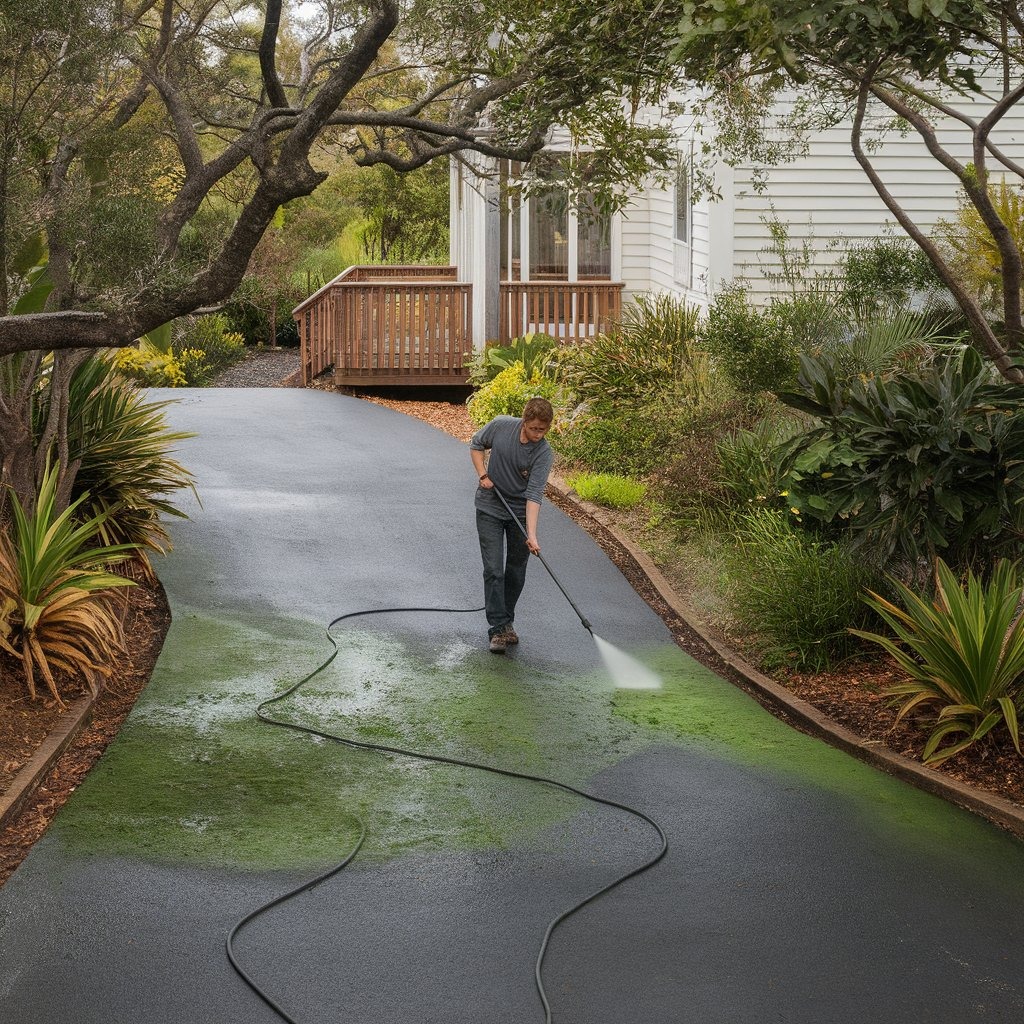
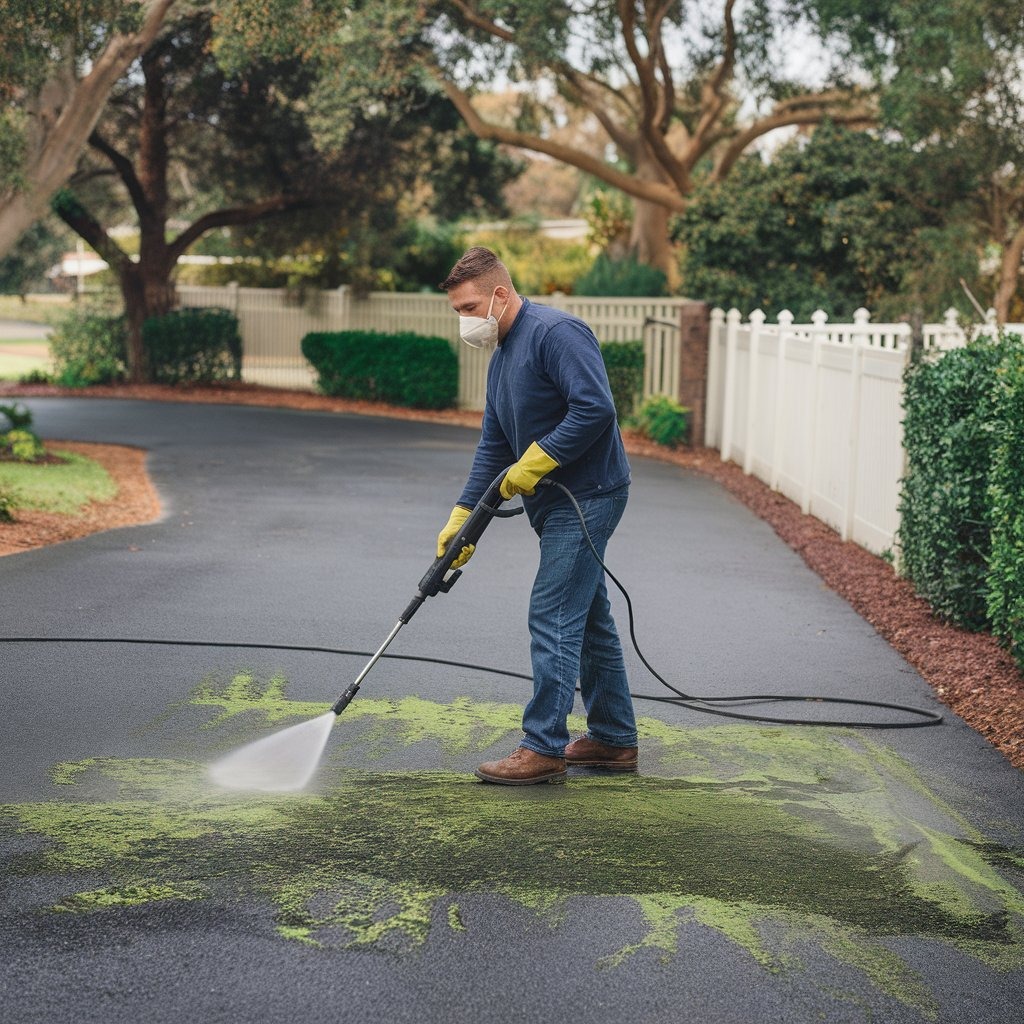
Pressure washing the driveway moss is a reliable and direct approach. A high-pressure water stream loosens moss, algae, and embedded dirt, quickly restoring the asphalt’s clean surface. Combined with a stiff brush or broom, this method targets tight corners and crevices. It’s essential to maintain moderate pressure and avoid aggressive blasting, which can weaken or erode the surface. Careful, methodical cleaning is the key to a moss-free driveway that stays strong and skid-resistant even in frequent Queensland rain.
Chemical Treatments and Bleach Solutions
Chemical methods offer a fast route to remove moss from asphalt driveway surfaces–but require caution. A bleach solution for moss removal can be highly effective, though it’s vital to handle run-off responsibly to minimise environmental impact. Some homeowners explore eco-friendly moss killer options or mild detergents to reduce harm to surrounding grass and plants. While chemicals break down moss thoroughly, following Brisbane regulations and keeping an eye on water usage ensures a safe, successful process that won’t harm the local environment.
Natural Moss Removal Methods
Mild, household-based methods are popular among those who prefer a gentler approach. Solutions such as vinegar for moss removal or a baking soda moss treatment loosen moss without relying on harsh chemicals. These treatments work best on smaller infestations, where gently scrubbing and rinsing is enough to clear the asphalt. Keeping an eye on local water guidelines and disposing of any leftover solution correctly is important. Regular checks ensure the moss doesn’t rebound, especially if shaded areas remain damp after cleaning.
Preventing Moss Growth on Asphalt Surfaces
Proactive steps help keep moss at bay long after each cleaning. Ensuring proper drainage pushes water away, preventing damp spots from forming. Sealing asphalt to prevent moss is another measure, creating a moisture-resistant surface that slows moss regrowth. Property owners often notice significant improvements by trimming overhanging trees and shrubs, allowing sunlight to reach these surfaces. This extra light reduces the damp, shaded environment that moss craves. Paying attention to minor splits or holes and promptly repairing them also stops moisture retention.
Driveway Maintenance Before the Wet Season
Many property owners prefer scheduling driveway maintenance before winter or the wetter months arrive. By addressing geometric surface flaws, cleaning off debris, and applying protective measures, there’s less chance of moss taking hold when the rains set in. A newly sealed or repaired driveway is better equipped to handle the fluctuating temperatures and damp conditions. With proactive care, these surfaces stay slip-free and maintain an attractive appearance despite heavy weather patterns and everyday traffic.
Professional Support from RC Civil OZ
RC Civil OZ understands Brisbane’s unique soil behaviour, high temperatures, and seasonal rainfall. Each driveway faces distinct challenges with moss growth on concrete and asphalt, whether it’s an asphalt or bitumen driveway. The team offers a comprehensive suite of services, from block paving moss removal to asphalt sealing, ensuring a robust and long-lasting solution for residential, commercial, and industrial properties. By using premium materials and following Australian construction standards, we deliver consistently durable results that safeguard surfaces against high traffic and challenging weather alike.
Conclusion
Clearing moss early prevents slippery hazards, preserves the top layers of asphalt, and curbs the formation of deeper cracks or potholes. Consistent cleaning and maintenance shield driveways from Brisbane’s intermittent rain and heat cycles, ensuring ongoing safety and an appealing look. In some cases, recurring moss growth or underlying damage may signal the need for a more thorough asphalt driveway replacement, giving the surface a fresh start and improved resilience. For those wanting a driveway that stands strong in every season, contacting RC Civil OZ is the surest way to secure a durable, well-maintained surface.
Leave Your Comment