
- 0 Comments
- 14 Likes
Brisbane’s weather can put significant strain on driveway surfaces. High temperatures, seasonal downpours, and shifting soil conditions often lead to cracks, fading, or water damage. Sealing adds a protective layer that helps counteract these challenges, preventing potholes and reducing surface deterioration. It also preserves the asphalt’s smooth finish and ensures greater structural integrity over time. In many cases, property owners benefit from a fuller lifespan and fewer costly repairs when they invest in careful sealant application. RC Civil OZ focuses on delivering these durable results.
Significance of Regular Sealing
Brisbane’s intense sunlight and occasional downpours can quickly degrade unprotected asphalt. It’s common for property owners to wonder, “Do asphalt driveways need to be sealed?” especially when they start noticing small cracks or a dull surface. Sealing helps counter UV damage while creating a moisture-resistant barrier that reduces the risk of internal weakening. It also maintains a more uniform appearance, which is important for driveways and can influence overall property value.
Ideal Timing for Sealing New Asphalt
As soon as a freshly paved driveway settles, many homeowners ask, “How soon should you seal a new asphalt driveway?” In Brisbane’s climate, it generally takes a few months for the asphalt to stabilise and cure. Applying sealant too early can trap excess oils and prevent proper settling, while waiting too long exposes the surface to early wear from traffic and harsh weather. Allowing the driveway to rest before applying sealant often contributes to better adhesion, more uniform coverage, and extended pavement life under local temperature fluctuations.

Preparing the Surface
Surface preparation is central to achieving a strong bond between asphalt and sealant. Thorough cleaning removes dust particles, loose debris, and any oily residue that might prevent proper adhesion. Stains on the surface can be treated with specialised solutions or high-pressure driveway cleaning. These steps ensure a well-conditioned base, promoting better sealant penetration. A properly cleaned and repaired foundation also helps reduce the chances of early sealant failure and repeated reapplication.
Filling Cracks and Edge Work
Tiny openings in asphalt provide the perfect opportunity for water to seep in and weaken the substrate. Crack filling for driveways is crucial in a humid region like Brisbane, where rain easily seeps into unsealed fissures. Repair compounds offer robust coverage, creating a watertight seal and preventing cracks from growing into potholes. Edges along pathways, garden beds, or concrete borders are best treated with hand sealing to reach tight spots. This attention to detail preserves the driveway’s overall structure and visual appeal.
Application Techniques
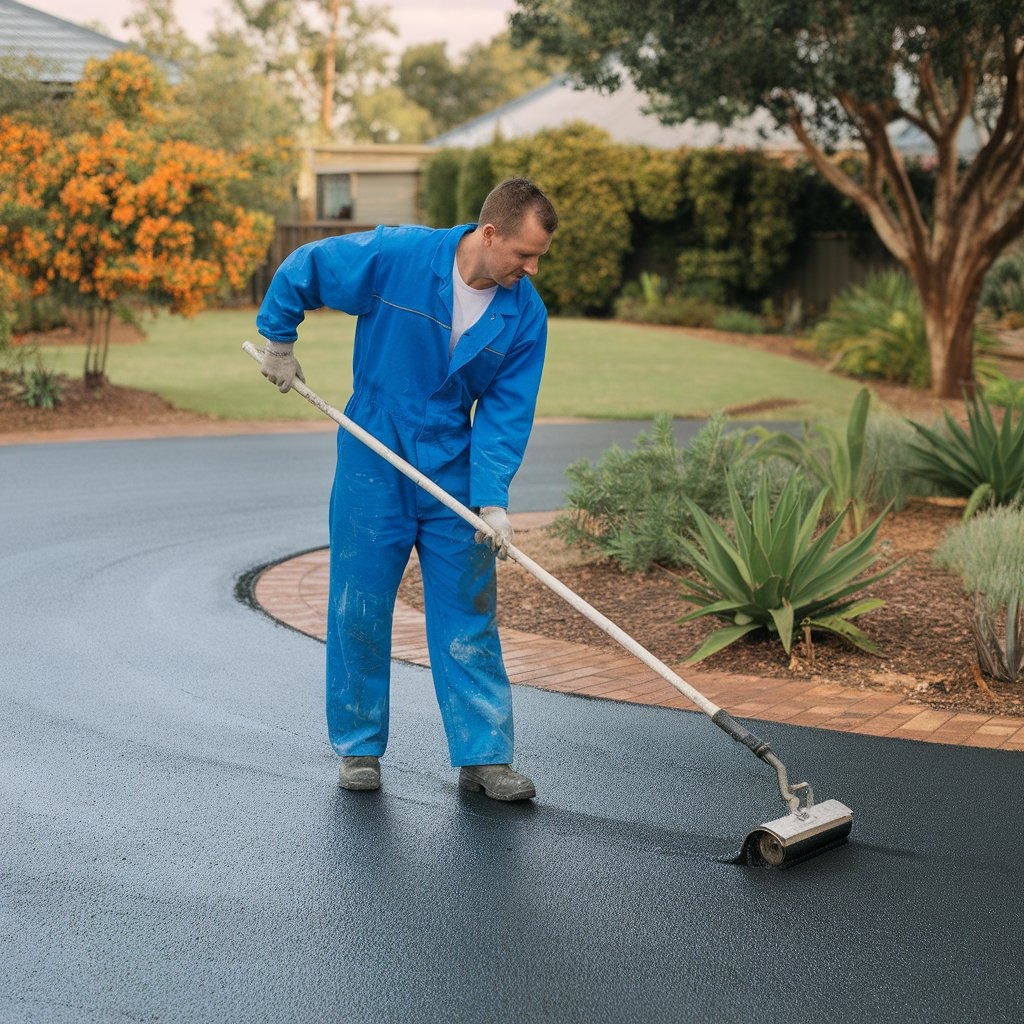
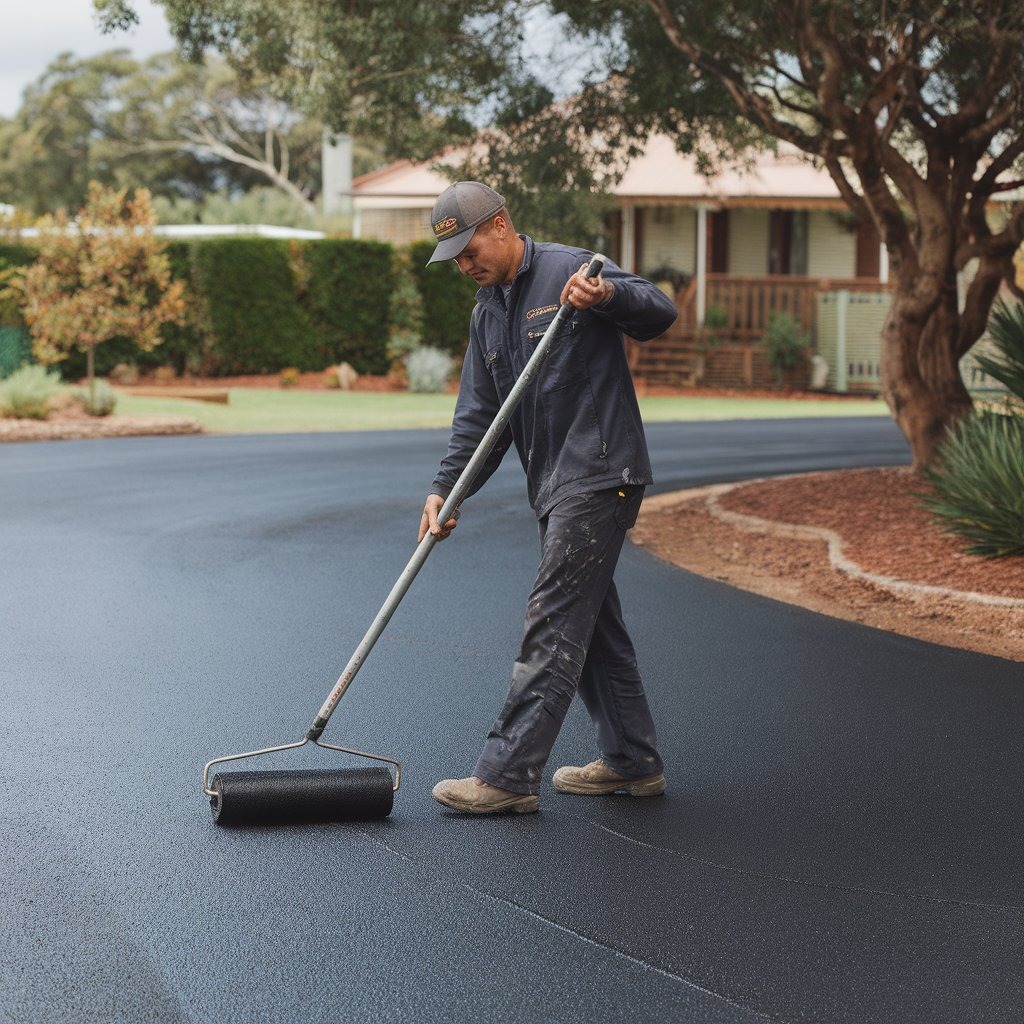
Some prefer a roller, while others use a squeegee for distributing the asphalt sealant evenly. The choice often depends on the driveway’s size, condition, and the type of sealant product. Multiple thin coats yield a more consistent shield than a single heavy layer. Careful, methodical progression across the surface avoids streaks and ensures thorough coverage.
Importance of Weather Conditions
Sealant application is best carried out during warmer, dry periods to allow proper curing. Brisbane’s weather can be unpredictable, so scheduling sealcoating on days without heavy rain or extreme heat is essential. Excess moisture can dilute the sealant, while extreme heat may cause the sealant to dry prematurely. A mild stretch of sunny weather allows the sealant to set correctly, leading to stronger protection against water intrusion. These tactical choices help extend the effectiveness of both driveway sealing steps and the overall surface life.
Resealing Frequency
The question “Do you need to seal asphalt driveway surfaces on a regular basis?” has no one-size-fits-all answer. Factors such as high traffic, mild cracking, or visible fading influence the timing. In regions with steady sunshine, reviewing the driveway’s condition every couple of years is helpful. Mild surface ageing may call for fresh sealant, ensuring that small weaknesses don’t escalate into major problems. Consistent attention prolongs pavement life, saving property owners from more disruptive repairs and preserving a uniform look.
Conclusion
Thorough sealing shields driveways from Brisbane’s intense sunlight, downpours, and shifting soil behaviour. It regenerates the asphalt’s finish, curtails early cracks, and reduces ongoing repair costs. For older surfaces, many homeowners choose to add asphalt to existing driveway areas before sealing, Taking the time to clean, patch, and apply sealant properly keeps surfaces smooth, safe, and visually appealing. Driveways that receive regular maintenance also retain their structural integrity longer, boosting property values. RC Civil OZ delivers these quality solutions with proven sealing methods and advanced materials designed for Australian conditions. Contact us to schedule an inspection and secure a driveway built for the local climate.
Leave Your Comment