
- 0 Comments
- 3 Likes
Introduction
Understanding the difference between residential vs commercial asphalt is essential for Brisbane property owners planning new paving or upgrades. While both surfaces may look similar once completed, they are designed, built, and maintained in very different ways. Residential driveways, commercial car parks, and access roads all face different traffic demands and safety expectations. Knowing how these differences affect installation, durability, lifespan, and cost helps property owners make better long-term decisions and avoid premature surface failure.
Purpose and Usage: Homes vs Businesses
The primary difference between residential and commercial asphalt lies in how the surface is used. Residential asphalt paving is typically designed for cars, light utilities, and occasional service vehicles. Traffic is predictable and relatively low in volume. Commercial asphalt paving, however, must handle constant movement, heavier vehicles, and frequent turning, braking, and stopping. Delivery trucks, waste vehicles, and customer traffic place far greater stress on the pavement. These usage demands directly influence asphalt load-bearing capacity and determine how strong the pavement structure must be to perform reliably.
Is There a Difference Between Residential Asphalt and Commercial Asphalt?
There is a clear difference between residential asphalt and commercial asphalt, even if the surface finish appears similar. Commercial-grade asphalt is engineered to carry higher loads and resist deformation under repeated traffic. This usually involves thicker asphalt pavement layers and stronger base materials. Residential asphalt focuses more on flexibility, surface appearance, and cost efficiency. In Brisbane conditions, where heat softens asphalt and moisture affects soil stability, using the correct asphalt type is essential to prevent cracking, rutting, and early surface breakdown.
Residential vs Commercial Asphalt Installation
Asphalt installation for homes is typically completed quickly with minimal disruption, using smaller equipment and straightforward site access. These surfaces are designed for light, predictable traffic and simple layouts, allowing the driveway to be laid and opened within a short timeframe. Commercial asphalt installations are more complex, requiring detailed planning, staged works, and careful scheduling to maintain safe access for businesses. Larger crews, heavier machinery, traffic control, and regulatory compliance all contribute to longer installation timelines. Base preparation and pavement thickness are key factors in long-term performance. Increased asphalt thickness helps distribute weight evenly and reduces stress on the surface.
Durability and Lifespan Expectations
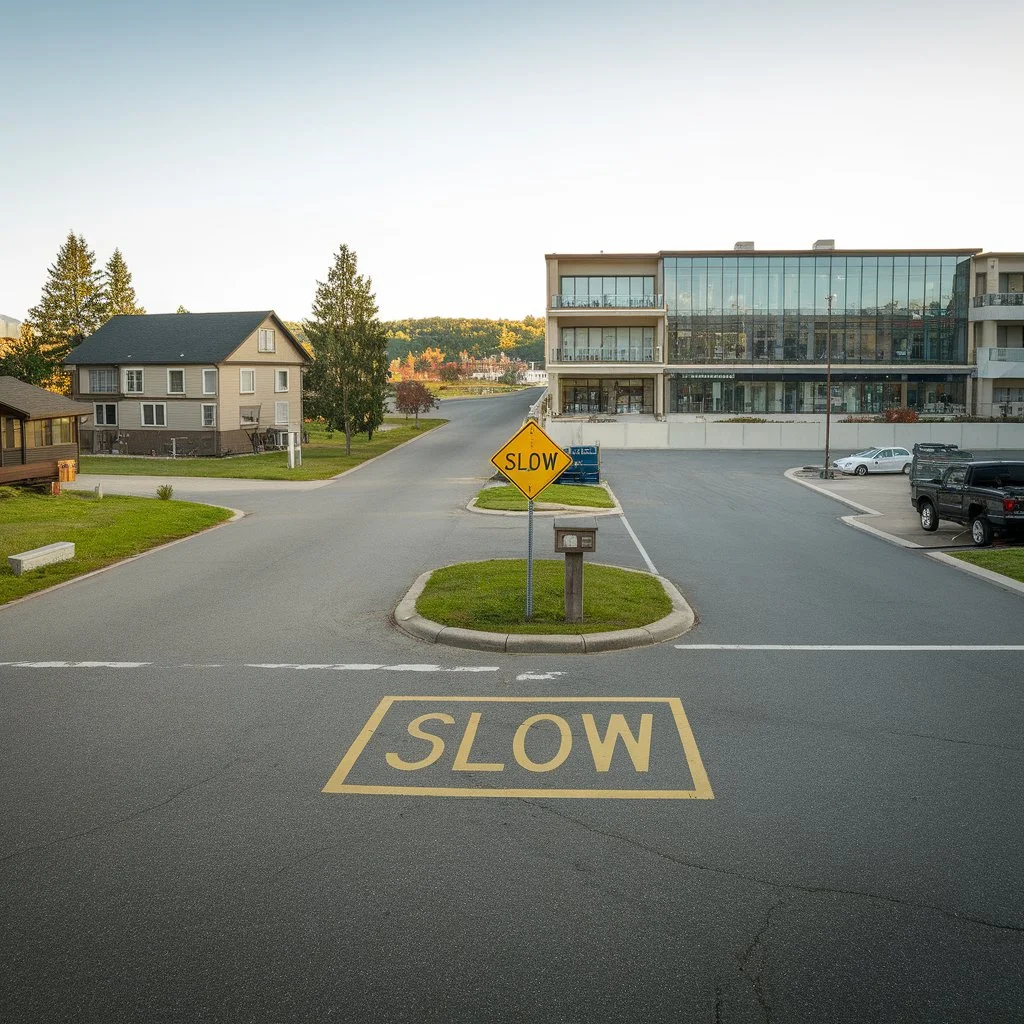
Asphalt durability and lifespan vary depending on how the surface is designed and maintained. Many property owners ask how long a residential asphalt driveway lasts, and the answer depends on traffic levels, drainage, and ongoing care. Residential driveways often provide reliable service for many years when properly installed and maintained. Commercial asphalt surfaces are built for a longer design life, but experience faster wear due to constant use. Their durability relies on stronger construction rather than lighter usage.
Surface Appearance and Drainage Performance
Asphalt surface appearance is often more important for residential properties, where curb appeal adds value to the home. Commercial paving prioritises safety, functionality, and compliance. Asphalt grading and drainage are especially critical for commercial sites, as standing water creates safety risks and accelerates surface damage. In Brisbane’s heavy rainfall, poorly graded surfaces can lead to water pooling, edge breakdown, and base saturation. Proper drainage design ensures both residential and commercial asphalt performs safely year-round.
Maintenance and Sealing Requirements
Residential vs commercial asphalt sealing schedules differ due to usage intensity. Residential surfaces generally require less frequent maintenance, focusing on sealing, crack repairs, and surface cleaning. Commercial pavements demand structured maintenance programs to manage constant wear. Regular inspections, sealing, and timely repairs help extend the asphalt surface and reduce long-term costs. In both cases, early maintenance prevents minor surface defects from developing into major structural failures.
Cost Difference: Residential vs Commercial Asphalt
Residential asphalt paving costs are typically lower due to smaller sites, lighter materials, and shorter installation periods. Commercial asphalt paving costs increase due to thicker layers, larger crews, specialised equipment, compliance requirements, and extended timelines. While commercial projects involve higher upfront investment, they deliver long-term value through durability, safety, and reduced repair frequency.
Choosing the Right Asphalt for Your Property
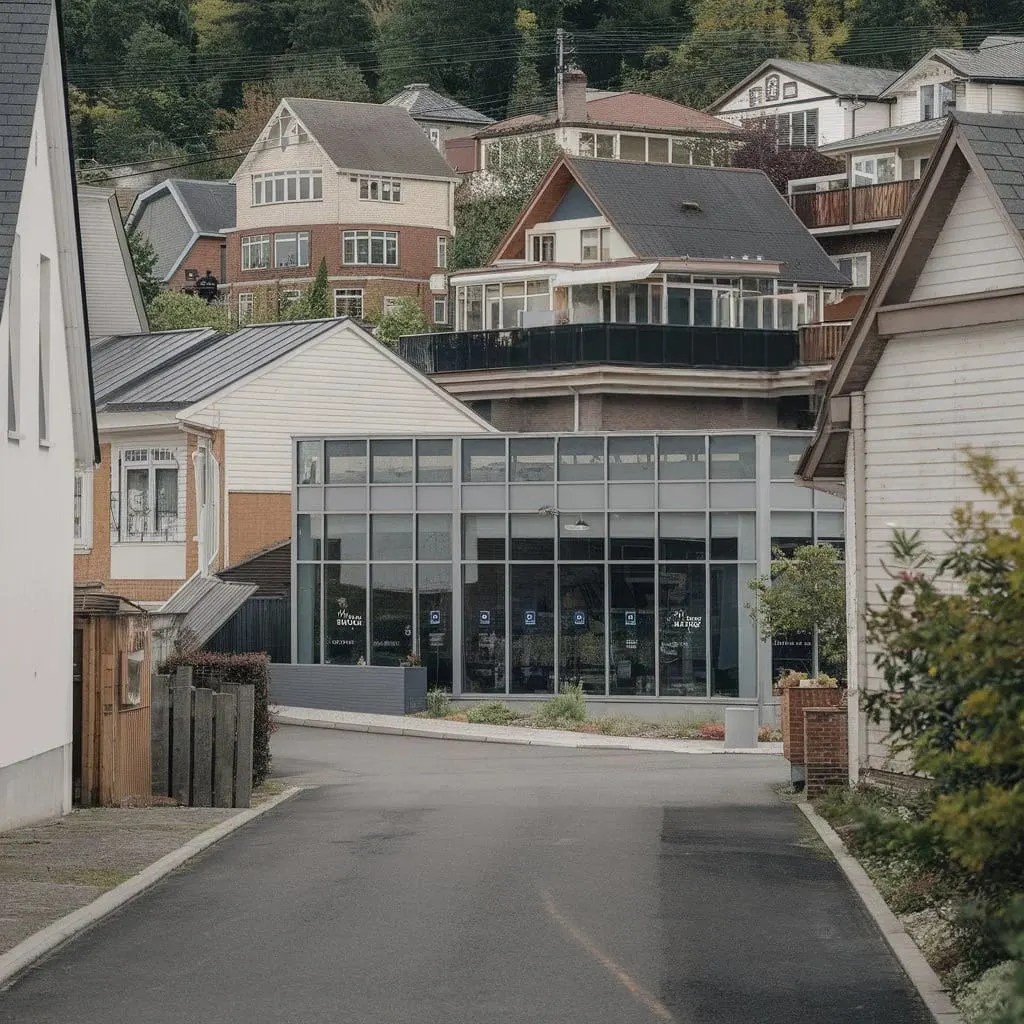
Choosing the right asphalt for your property depends on how the surface will be used, expected traffic loads, maintenance capacity, and long-term goals. Understanding the different types of asphalt available helps guide residential paving vs commercial paving decisions, particularly when considering durability needs, drainage performance, surface appearance, and budget. Matching the asphalt solution to Brisbane’s climate and ground conditions ensures the pavement remains safe, stable, and cost-effective throughout its service life.
Conclusion
The differences between residential vs commercial asphalt go far beyond appearance. Residential paving vs commercial paving decisions should consider durability needs, drainage performance, surface appearance, and budget. When asphalt is designed to suit traffic demands, drainage needs, and Brisbane’s challenging climate, surfaces last longer and perform better. RC Civil OZ delivers high-quality asphalt and bitumen solutions built for residential, commercial, and industrial environments. Book a site inspection with RC Civil OZ and ensure your property benefits from durable, expertly installed asphalt solutions.
Leave Your Comment