
- 0 Comments
- 4 Likes
Introduction
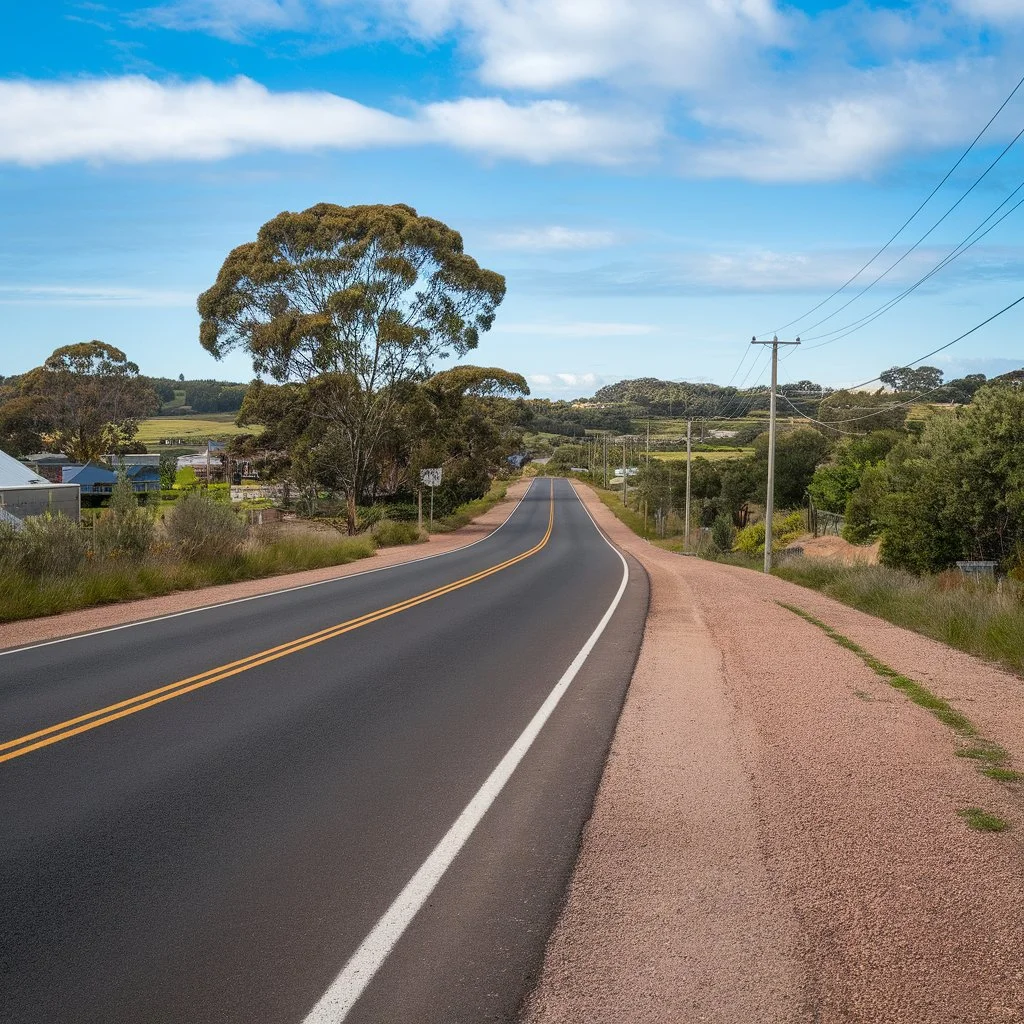
Understanding the different types of asphalt is an important step for Brisbane property owners planning driveways, roads, or parking lots. While asphalt may appear similar on the surface, the materials and mix design underneath play a significant role in how well it performs over time. Brisbane’s weather, and variable soil conditions place extra pressure on pavements, making mix selection critical. Choosing the right asphalt helps prevent cracking, rutting, drainage issues, and premature wear. This guide explains the main types of asphalt used across residential, commercial, and road projects, helping property owners understand which options deliver the best durability, safety, and long-term value.
Why Asphalt Type Matters for Brisbane Properties
Not all asphalt surfacing materials respond the same way to heat, water, and traffic loads. Many property owners notice that surfaces laid without the correct mix begin to soften in summer or show cracking after prolonged wet weather. The types of asphalt used must suit both the environment and how the surface will be used. Driveways require smooth finishes and flexibility, while roads and car parks demand strength and resistance to heavy vehicles. Selecting the proper asphalt mix types ensures better asphalt durability and performance under Brisbane’s demanding conditions.
Hot Mix Asphalt for Driveways, Roads, and Car Parks
Hot mix asphalt is one of the most commonly used asphalt pavement materials in Australia. Produced at high temperatures, it allows strong bonding and excellent compaction during installation. This makes it well-suited for asphalt road construction materials and high-use surfaces. Hot mix asphalt Australia projects often include residential driveways, arterial roads, and asphalt for car parks where durability and load resistance are essential. Its flexibility helps it cope with Brisbane’s temperature fluctuations without cracking, provided the base preparation and drainage are handled correctly.

Warm Mix Asphalt for Sustainable Surfacing
Warm mix asphalt Australia is similar to hot mix but produced at lower temperatures, reducing energy use during production. It offers good workability and performs reliably in most residential and commercial applications. This option is often selected where environmental considerations or longer haul distances are involved. While it may not always match hot mix for extreme load conditions, warm mix asphalt remains a practical choice for many driveway and parking lot projects, delivering reliable performance when installed using proper compaction and base preparation methods.
Cold Mix Asphalt for Temporary Repairs
Cold mix asphalt uses bitumen asphalt mixture emulsions rather than heat, making it suitable for quick repairs. Common cold mix asphalt uses include patching potholes, edge repairs, and low-traffic surfaces. In Brisbane, cold mix is often applied as a temporary solution during wet weather or emergency repairs. While convenient, it does not provide the same lifespan as hot or warm mix asphalt and is best replaced with permanent surfacing once conditions allow for proper installation.
Dense Graded Asphalt for General Use
Dense graded asphalt mix is one of the most versatile asphalt surfacing options available. With a well-balanced combination of aggregate sizes, it creates a tightly packed surface that resists water penetration. This makes it suitable for asphalt driveway installation, pathways, and general road surfaces. Many property owners choose dense graded asphalt because it offers a smooth finish while maintaining strength. When installed with correct asphalt grading and drainage, it performs well in Brisbane’s wet season and high-traffic environments.
Stone Matrix and Open-Graded Asphalt for High Performance
Stone matrix asphalt is designed for areas exposed to heavy traffic and frequent braking. Its structure improves resistance to deformation, making it suitable for busy roads and commercial accessways. Open graded asphalt, on the other hand, focuses on drainage. Its porous structure allows water to move through the surface, reducing spray and surface water. Open graded asphalt and permeable asphalt surfaces are often used where water management and skid resistance are priorities.
Porous Asphalt for Drainage-Sensitive Areas
Porous asphalt pavement is specifically designed to manage stormwater by allowing water to drain through the surface into underlying layers. This makes it ideal for parking areas, low-speed accessways, and developments where runoff control is essential. In Brisbane, porous asphalt helps reduce surface water buildup during heavy rainfall, improving safety and protecting surrounding infrastructure. Correct installation and maintenance are essential to ensure long-term performance.
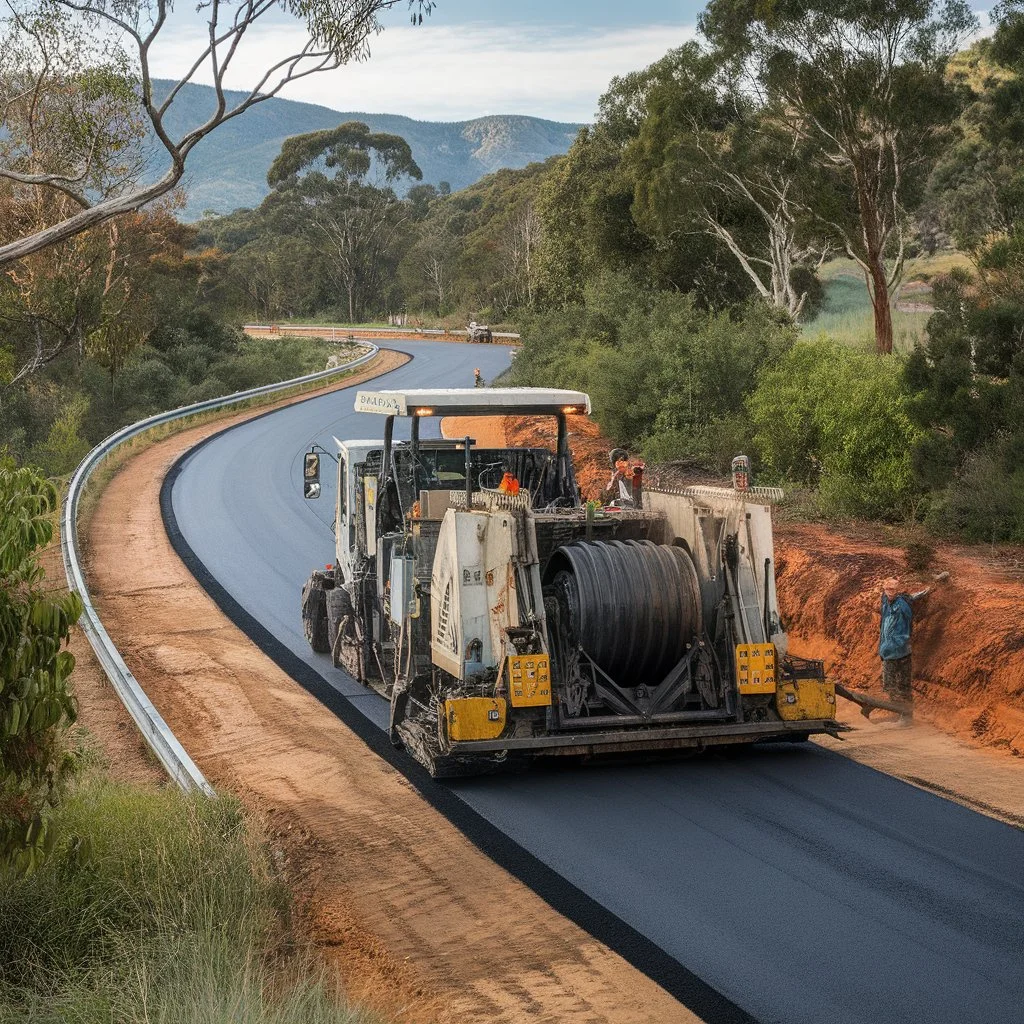
Choosing the Right Asphalt for Driveways, Roads, and Parking Lots
What type of asphalt is best for driveways often depends on traffic levels, appearance expectations, and drainage needs. Residential asphalt paving typically benefits from dense graded or hot mix asphalt. In contrast, what type of asphalt is used for roads and commercial sites may include stone matrix or open graded mixes. Asphalt pavement materials must always be matched to site conditions, usage demands, and long-term maintenance expectations to achieve the best outcome.
Conclusion
Understanding the different types of asphalt helps property owners make confident decisions for driveways, roads, and parking lots. Each asphalt mix offers specific benefits, from durability and strength to drainage and sustainability. When the right asphalt surfacing options are selected and installed correctly, surfaces last longer, perform better, and require less maintenance. RC Civil OZ delivers professionally designed asphalt and bitumen solutions built to handle Brisbane’s climate, traffic demands, and soil conditions. Contact RC Civil OZ to book a site inspection and get durable, long-lasting asphalt solutions tailored to your property needs.
Leave Your Comment