
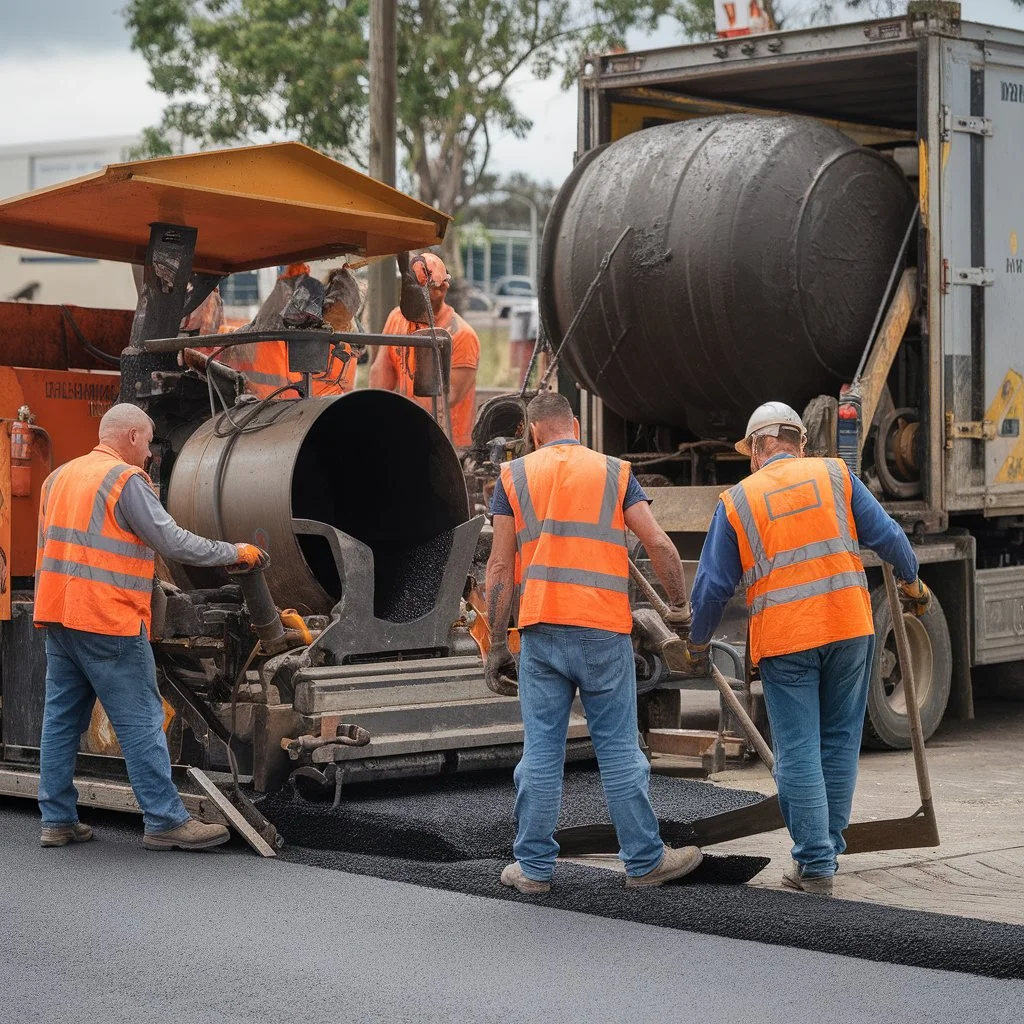
- 0 Comments
- 4 Likes
Introduction
Understanding the materials used in asphalt installation helps Brisbane property owners appreciate why some pavements last for decades while others fail far sooner. Asphalt is not just a single layer poured onto the ground; it is a carefully engineered system made up of several materials working together. Brisbane’s high temperatures, intense rainfall, and reactive soil conditions place extra pressure on pavements, making material quality especially important. When the right materials are selected and installed correctly, asphalt surfaces deliver strength, flexibility, and long-term reliability for driveways, car parks, and commercial access areas.
Understanding Asphalt Composition
Asphalt composition is a balance of aggregates, binder, and filler materials. Aggregates such as crushed rock, sand, and gravel make up most of the asphalt mix and provide strength and structure. The bitumen binder coats these aggregates and holds them together, allowing the surface to flex under load rather than crack. Fine fillers help tighten the mix, improving stability and surface finish. The quality and grading of these components directly influence asphalt pavement materials, affecting resistance to cracking, surface wear, and deformation under Brisbane’s heat.
What Materials Are Needed for Asphalt Paving?
The materials needed for asphalt paving extend well beyond the surface layer. Beneath the asphalt sits the base and sub-base, typically made from compacted crushed rock. These layers provide essential support and help distribute loads evenly across the ground. Proper base preparation is critical for asphalt load-bearing properties, particularly in Brisbane, where soil movement can occur during prolonged wet periods. Without strong base materials, even high-quality asphalt can settle, crack, or form potholes prematurely.
Types of Asphalt Paving Materials Used in Practice
Different types of asphalt paving materials are selected depending on how the surface will be used. Residential driveways often use mixes designed for smooth finishes and flexibility, while commercial areas require more potent blends capable of handling frequent traffic and heavier vehicles. These asphalt installation materials are chosen to suit load demands, surface area, and drainage needs. Matching the mix to the application ensures asphalt durability and performance across both residential and commercial settings.
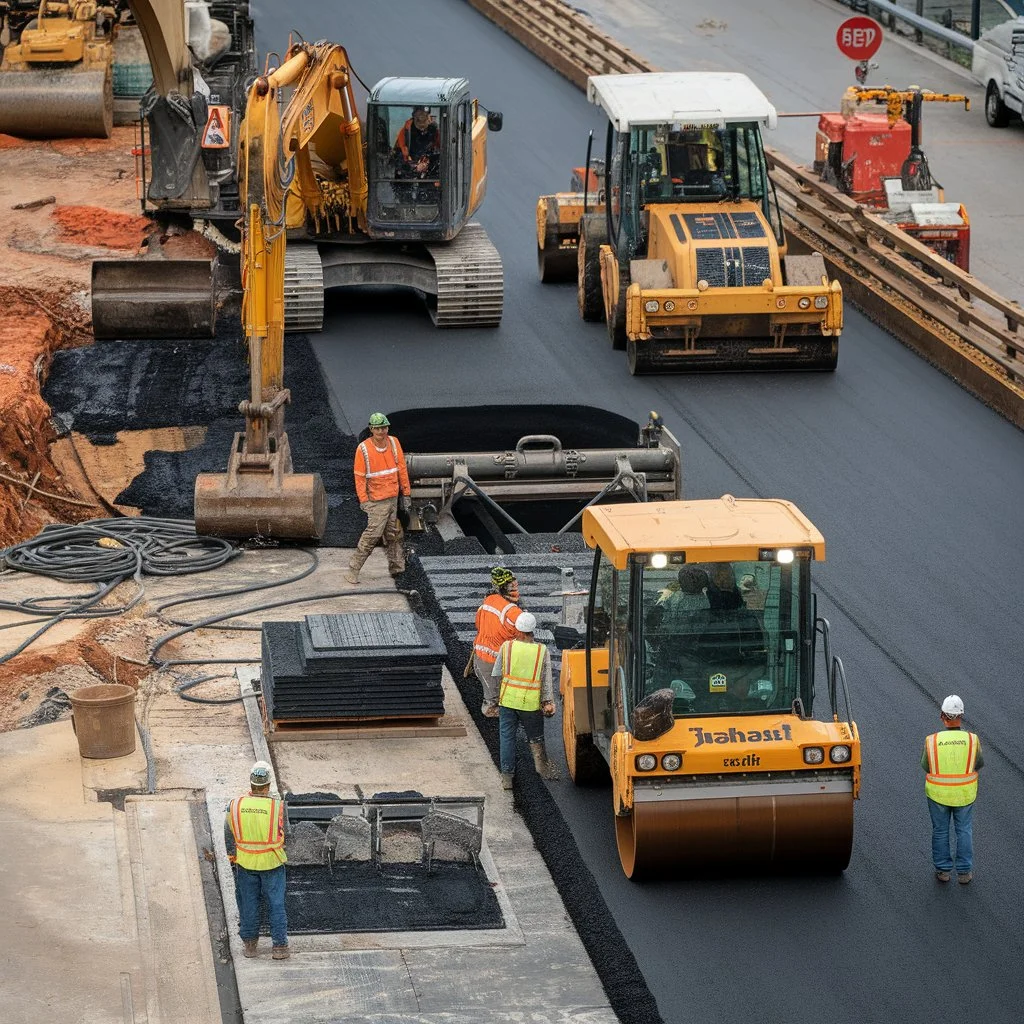
Recycled Materials in Modern Asphalt
Recycled materials in asphalt play an increasingly important role in modern paving projects. Reclaimed asphalt pavement can be processed and reused without compromising strength when handled correctly. In Brisbane, recycled asphalt solutions are valued for their sustainability and cost efficiency, while still delivering reliable performance. When blended under strict quality controls, recycled materials contribute to asphalt durability and performance, supporting long-term pavements that meet both environmental and structural expectations.
Why Asphalt Material Quality Matters
Asphalt material quality has a direct impact on how well a pavement performs over time. Poor-quality aggregates can polish or break down under traffic, while inconsistent binder content can lead to cracking or surface deformation. High-quality materials improve asphalt’s resistance to cracking and help pavements withstand temperature fluctuations and heavy loads. Asphalt quality control standards ensure materials are tested and blended correctly, reducing the risk of early failure and costly repairs.
Asphalt Load-Bearing Properties and Structural Strength
The load-bearing properties of asphalt depend on how well each material layer works together. Aggregates provide the framework, the binder allows controlled flexibility, and the base layers support weight transfer to the ground. In commercial environments, where delivery vehicles and service trucks are standard, stronger materials and thicker layers are essential. Proper material selection ensures asphalt surfaces maintain their shape and strength even under constant stress.
Materials, Appearance, and Driveway Performance
Material choice also influences asphalt surface appearance and long-term maintenance. Well-graded aggregates and quality binders create a smooth, consistent finish that enhances curb appeal. For homeowners comparing the best driveway material, asphalt remains a popular option due to its balance of durability and low maintenance. Compared to other driveway material options, asphalt offers flexibility, cost efficiency, and reliable performance when installed using quality materials.
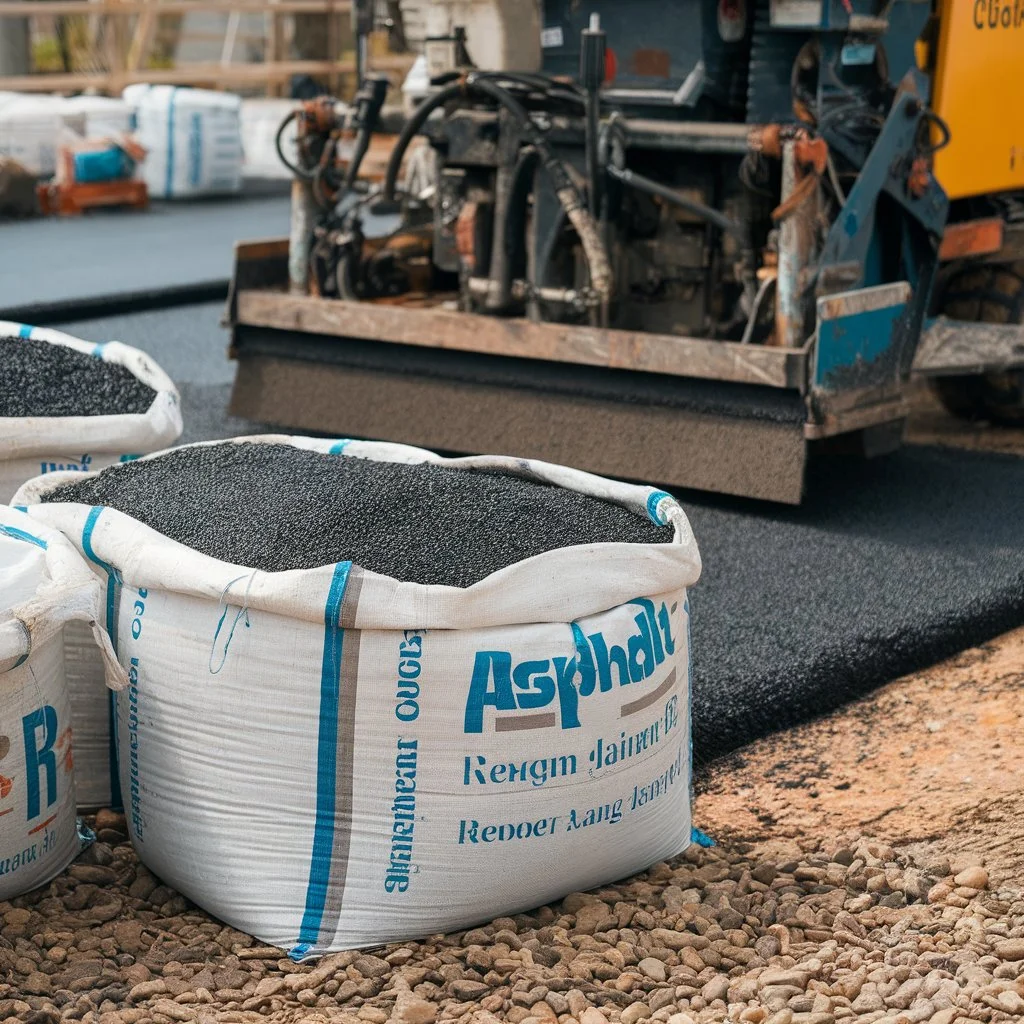
How Materials Work with Installation Methods
Even the best asphalt installation materials rely on correct application to perform as intended. Temperature control during laying, proper compaction, and accurate grading ensure materials bond and settle correctly. Poor installation can undermine material quality, leading to surface defects and reduced lifespan. Professional installation ensures materials respond well to heat, rainfall, and traffic demands throughout the year.
Conclusion
The materials used in asphalt installation play a critical role in pavement strength, safety, and longevity. From aggregates and binders to base layers and recycled components, each material contributes to overall performance. When high-quality materials are combined with proper preparation and installation, asphalt surfaces deliver lasting value for driveways, car parks, and commercial pavements. RC Civil OZ provides expertly constructed asphalt and bitumen solutions designed to perform under Brisbane’s climate, traffic demands, and soil conditions. Arrange a site inspection with RC Civil OZ and achieve reliable, long-lasting asphalt solutions tailored to your site.
Leave Your Comment