
- 0 Comments
- 8 Likes
Asphalt paving is a widely used surfacing solution for various applications, especially in professional paving, due to its durability and versatility. Understanding the fundamentals can help you make informed choices for your surfacing work. Whether it’s for a new driveway, a car park, or a roadway, asphalt is preferred because it delivers cost efficiency and a smooth finish. If you’re planning a residential or commercial paving project, partnering with an experienced contractor like RC Civil in brisbane can help ensure quality installation and long-lasting performance. Knowing the ins and outs of asphalt is crucial for achieving durable and reliable results
Understanding Asphalt Pavement Basics
The Asphalt Paving Process Explained
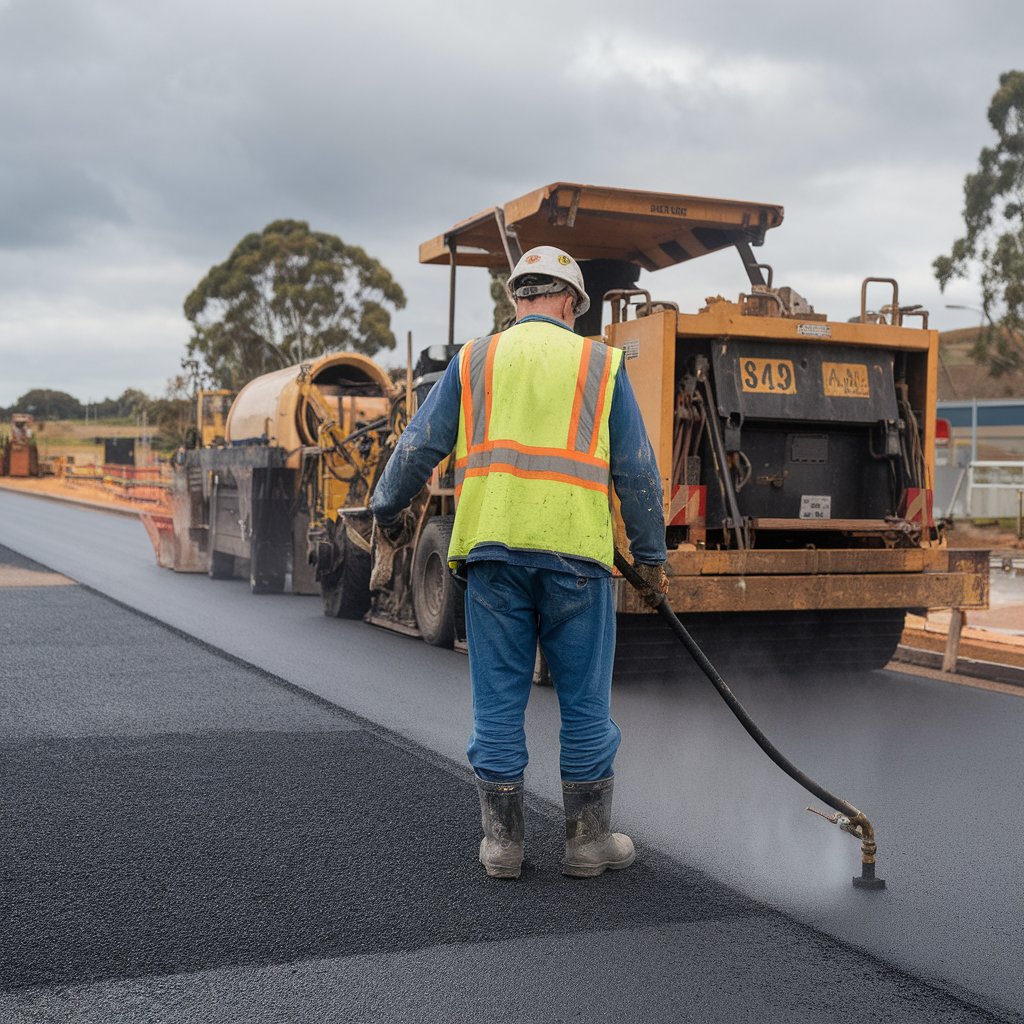
The asphalt paving process typically begins with preparing the existing surface, which may involve removing old asphalt or levelling previously used asphalt to ensure the base is clean and properly graded. A layer of gravel may be added for stability and drainage before the new asphalt layer is installed. Several factors affect asphalt durability, including weather conditions, traffic volume, and the quality of the asphalt blend. Understanding these factors will help you choose asphalt solutions that provide lasting performance; this is everything you need to know about asphalt.
Choosing the Right Asphalt Mix for Your Project
Choosing the right asphalt blend is essential for any surfacing work, as the paving materials you choose will significantly impact the lifespan and performance of the pavement. Different types of asphalt mixes are designed for specific purposes, and understanding these options can help you make informed decisions. Since asphalt paving involves selecting the right blend of aggregate and binder to make asphalt suitable for the intended application, it’s important to match the mix to the project needs, as shown below:
| Asphalt Type | Common Applications | Key Characteristics |
|---|---|---|
| Hot Mix Asphalt | Roadways and car parks | Produced at high temperatures for optimal workability and strength. |
| Cold Mix Asphalt | Asphalt repairs and smaller asphalt works | Produced at lower temperatures, reducing emissions and energy consumption. |
Warm mix asphalt is another option, offering environmental benefits and improved workability.
Asphalt Driveways: A Popular Choice for Brisbane Homes
Installation Considerations for Driveways
Since asphalt requires proper planning and preparation, grading and drainage are crucial to prevent water accumulation. The base layer should be compacted to provide a stable foundation, especially for driveways and parking lots that experience regular vehicle traffic. The layer of asphalt should also be applied at the correct thickness to support long-term use and protect the pavement surface from damage.
Types of Asphalt Paving
There are different types of asphalt paving options available for driveways. Hot mix asphalt provides a smooth, durable surface that can withstand heavy use, while porous asphalt enables water to pass through the surface, helping reduce runoff and enhance safety. In some cases, recycled asphalt can be used as a cost-effective and sustainable solution, especially when repurposing existing asphalt or resurfacing old pavement. Ultimately, the ideal option will depend on your needs, budget, and site conditions.
Asphalt Projects: From Car Parks to Roadways
Choosing an Asphalt Paving Contractor in Brisbane
Look for an asphalt company with a proven track record of delivering durable pavements and quality workmanship. Check their experience with similar projects, whether it’s asphalt installation for parking lots or roadways, and whether they are familiar with using a paving machine for efficient and consistent application. A reputable contractor will also help you choose asphalt based on your needs and explain how it performs compared to asphalt alternatives such as concrete. They will guide you through the asphalt paving process to ensure the final result is strong, and suitable for your property.
Common Questions About Asphalt Paving
Frequently Asked Questions by Property Owners
They want to know about asphalt installation, repairs, and protective coating treatments. Many wonder about the difference between asphalt paving with other paving solutions and are surprised to learn that asphalt is generally much more affordable than alternative options while still offering strong durability.
Is 1.5 inches of asphalt enough for a driveway?
A residential asphalt driveway typically requires a surface layer of 40–50mm (around 1.5–2 inches). Before laying asphalt, ensure any cracks or potholes are properly repaired and compacted.
Why do they put oil down before asphalt?
A tack coat or primer seal is applied before laying asphalt to help the new layer bond strongly to the existing base or pavement.
What is the best temperature to apply asphalt sealer?
Sealcoating is best applied when temperatures are above 13°C–15°C (around 55°F) and rising, with no rain forecast for at least 24–48 hours.
How many years does sealcoating last?
Sealcoating typically lasts 2–5 years, depending on UV exposure, weather conditions, and traffic levels. In hotter parts of Australia, more frequent applications may be required.
Conclusion
Understanding the basics of asphalt paving, from choosing the right asphalt mix to ensuring proper installation, is essential for any surfacing work. Whether it’s for an asphalt driveway, a parking lot, or a roadway, knowing the factors that influence asphalt durability and the best practices for asphalt maintenance will help ensure long-lasting results. Instead of full replacement, an asphalt overlay may be a cost-effective way to restore the surface and extend pavement life. Always work with a reputable asphalt paving contractor to achieve the best outcome.
Leave Your Comment