

- 0 Comments
- 68 Likes
Introduction
On a typical Brisbane morning, it’s not unusual to see a newly paved driveway begin to crack just months after installation, or a car park holding water after heavy rain. Many property owners assume the issue lies with the asphalt itself. In reality, the problem often starts much earlier — with the work carried out before the asphalt is even laid. This is where civil contractors step in.
When it comes to asphalt works, civil contractors are responsible for far more than the visible surface. They manage ground preparation, drainage, levels, and structural support to ensure asphalt performs properly under Brisbane’s heat, rainfall, and soil movement. Understanding what civil contractors do helps homeowners, builders, and businesses recognise why proper planning and preparation are critical for durable, long-lasting asphalt surfaces.
What Is a Civil Contractor in Asphalt Works?
A civil contractor is responsible for planning, coordinating, and delivering ground-based construction works that support safe and durable surfaces. In asphalt projects, this includes everything from site assessment and base preparation to final surfacing and drainage control. Many people ask what a civil contractor does differently from a general builder. The key difference lies in technical expertise, compliance, and understanding how soil, water, and traffic loads affect pavement performance over time, especially in Brisbane’s climate.
Who Is a Civil Contractor and Why Experience Matters
Who is a civil contractor often comes down to experience and capability. Civil engineering contractors bring specialised knowledge of materials, ground conditions, and construction sequencing. Civil contractor experience is significant in Brisbane, where poor base preparation or drainage design can lead to cracking, rutting, and surface failure. Experienced contractors anticipate issues early, adapt construction methods to site conditions, and deliver asphalt surfaces that perform reliably under daily use.

Asphalt Planning and Site Preparation
Civil construction planning is one of the most important stages of any asphalt project. Before paving begins, contractors assess soil behaviour, existing surfaces, slopes, and water flow. This stage determines how the pavement will perform long-term. Civil construction work often includes excavation, grading, and stabilising the base to support asphalt layers. Without proper planning, even high-quality asphalt can fail prematurely due to movement beneath the surface.
Road and Pavement Construction Responsibilities
Road and pavement construction requires precise coordination and technical oversight. Civil contractors manage layer thickness, compaction, and material selection to suit traffic demands. Whether the project involves residential driveways or commercial civil contractors working on larger car parks, construction site supervision ensures each stage meets required standards. This approach improves safety, reduces maintenance needs, and extends pavement lifespan under Brisbane’s demanding conditions.
Drainage, Compliance, and Safety Oversight
Civil construction compliance is essential for asphalt works, particularly for local council civil projects and commercial sites. Contractors must ensure drainage systems direct water away from pavements, preventing pooling and erosion. Civil project management also involves meeting regulatory requirements, coordinating inspections, and maintaining site safety. In Brisbane’s wet season, proper drainage design and compliance can mean the difference between a durable surface and ongoing repair costs.
Commercial and Large-Scale Asphalt Works
Commercial civil contractors handle more complex asphalt projects that involve heavier vehicles and higher traffic volumes. These works often fall within the civil construction industry’s heavy civil construction category. Civil construction management ensures these projects are delivered efficiently while maintaining quality. Transport infrastructure projects and large-scale infrastructure projects require careful sequencing, quality control, and coordination to keep surfaces functional and safe throughout their service life.
Why Professional Civil Contractors Add Long-Term Value
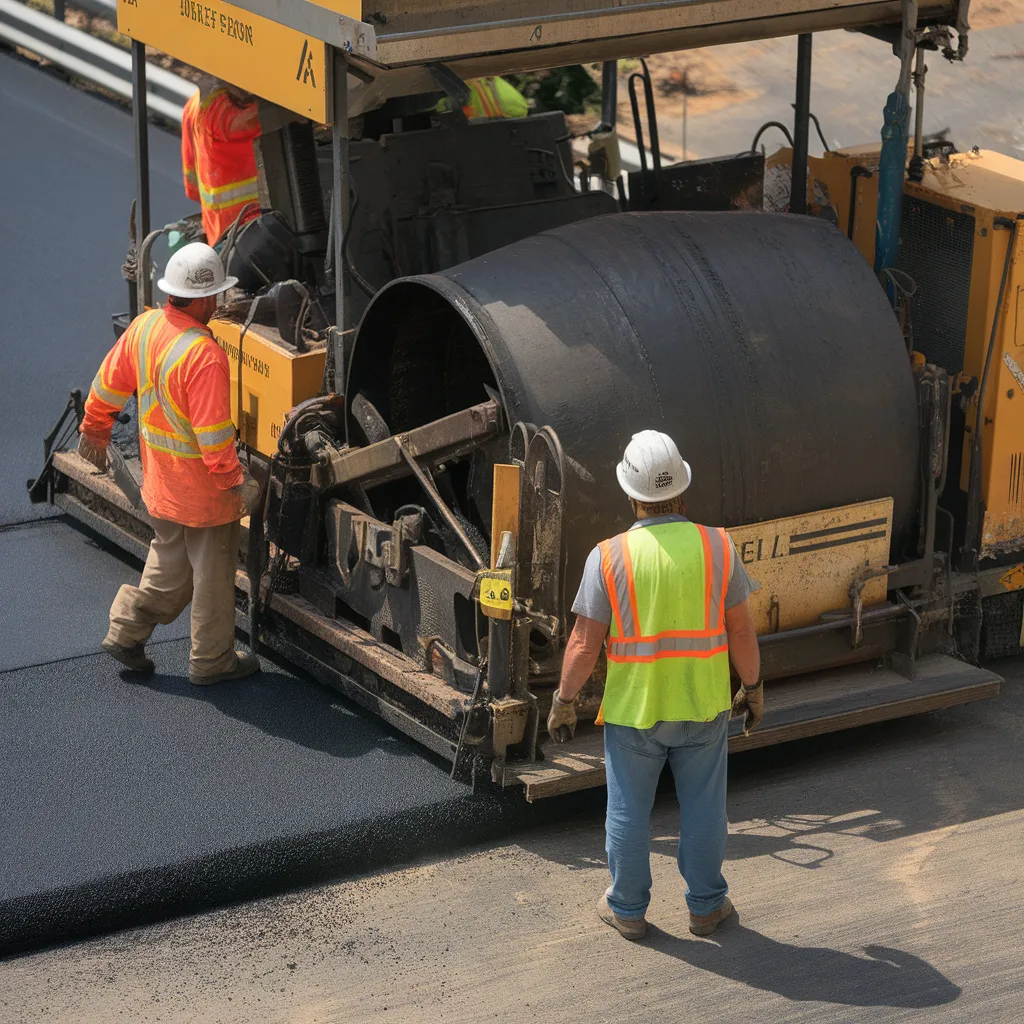
What does a civil contractor do that adds long-term value? The answer lies in expertise, planning, and execution. By managing civil engineering works correctly from the ground up, contractors reduce the risk of premature surface failure. Proper asphalt installation, combined with professional supervision and maintenance planning, helps property owners protect their investment, enhance usability, and avoid repeated repairs caused by poor construction practices.
Conclusion
Understanding what civil contractors do helps explain why professional asphalt works matter. From planning and base preparation through to drainage, compliance, and surface durability, civil contractors ensure pavements perform safely and reliably in Brisbane’s challenging conditions. Well-executed asphalt works improve property value, minimise ongoing maintenance, and significantly extend surface lifespan. RC Civil OZ delivers expertly constructed asphalt and bitumen solutions designed to withstand local climate demands, traffic loads, and soil movement. Contact us to book a site inspection and secure durable, long-lasting asphalt solutions tailored to your property needs.
Leave Your Comment