
- 0 Comments
- 39 Likes
Introduction
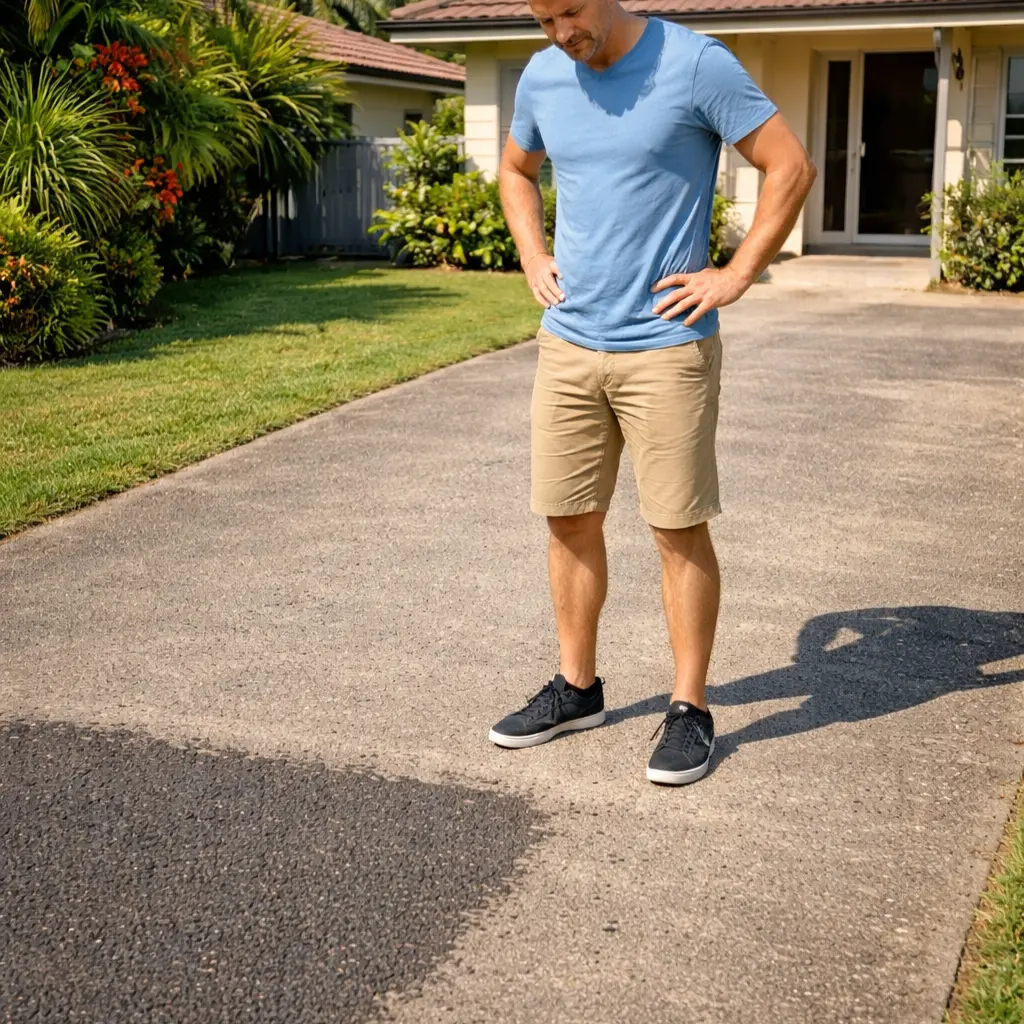
Many property owners eventually notice a change in the appearance of their pavement and ask the same question: why does an asphalt driveway turn grey as it ages? Over time, exposure to UV light, oxygen, traffic and moisture gradually affects the surface. These changes lead to colour fading and create a weathered appearance. Understanding why this happens helps property owners manage driveway surfaces more effectively. If you are planning professional asphalt driveway installation, choosing the right surface preparation and maintenance approach can help protect the pavement and extend its lifespan. check this intro
Understanding Asphalt Oxidation
The most common reason asphalt loses its dark colour is asphalt oxidation. Bitumen, the binder that holds the pavement structure together, reacts with oxygen over time. This chemical reaction slowly changes the properties of the material.
As oxidation progresses, the binder becomes harder and less flexible. This change reduces the ability of the pavement surface to absorb stress from traffic and temperature variation. The visual result is a lighter pavement surface that appears faded compared with newly installed asphalt.
Oxidation occurs gradually and is influenced by exposure to air, sunlight and temperature. These environmental factors contribute to the long-term aging of asphalt surfaces used in driveways, car parks and access roads.
Asphalt Wear from Traffic
Traffic movement also contributes to the gradual asphalt driveway turning grey. Vehicle tyres create constant friction across the pavement surface. Over time, this abrasion slowly removes small amounts of the binder that protects the aggregate beneath.
When this protective layer wears away, the stones within the pavement become more visible. This gives the driveway a lighter appearance and reduces the smooth texture of the surface. In areas that experience regular vehicle movement, such as commercial entrances or industrial yards, surface wear can develop more quickly.
Residential driveways typically experience lighter traffic, but daily use still contributes to gradual surface deterioration.
Weather Exposure and Surface Ageing
Weather conditions play an important role in the ageing of asphalt pavement. Continuous exposure to sunlight is one of the most significant factors affecting colour change. Ultraviolet radiation gradually breaks down the bitumen binder, reducing its flexibility and dark appearance.
Moisture also contributes to surface deterioration. Rainwater can enter small surface cracks and affect the underlying pavement structure. When moisture remains within the pavement layers it gradually weakens the structural support beneath the surface.
Temperature changes also influence asphalt behaviour. Warm conditions soften the pavement while cooler temperatures cause contraction. These natural cycles place stress on the surface over time.
Warning Signs of Asphalt Deterioration
A driveway that begins to lose colour often shows additional signs of pavement ageing. Recognising these early indicators allows property owners to address problems before the damage spreads across the surface.
Common signs include:
- Cracks appearing in the pavement surface
- Loose stones developing across the driveway
- Small potholes beginning to form
- Water collecting in low areas after rainfall
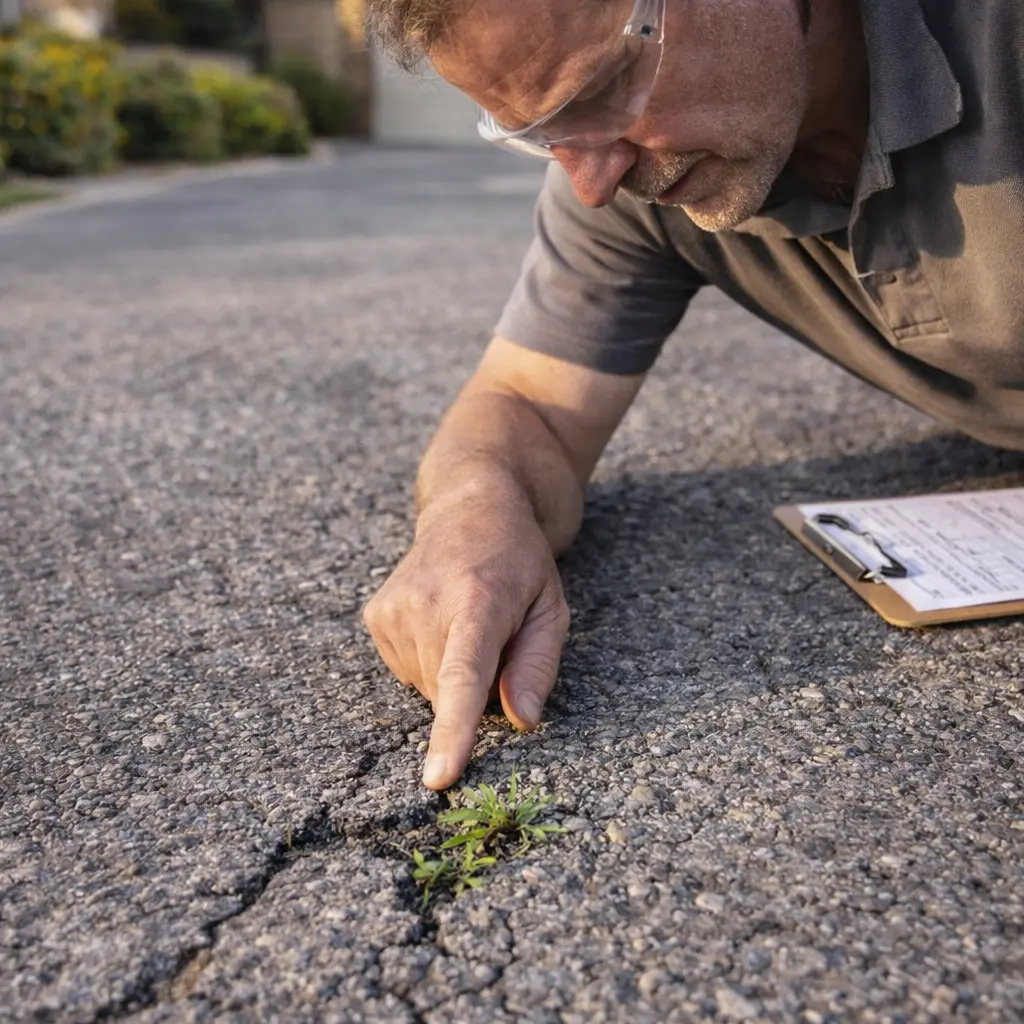
Weed growth through the surface is another common indicator of damage, usually caused by cracks or gaps in the pavement. When vegetation appears, it often means moisture is entering the underlying layers and weakening the structure beneath.
These conditions indicate that the protective binder within the asphalt is gradually deteriorating. If left untreated, the pavement surface may become brittle and more vulnerable to structural damage.
When these issues begin to appear, it can be useful to have the surface assessed by experienced professionals such as RC Civil OZ before deterioration spreads further.
How to Restore Asphalt Driveway Colour
Once the colour of an asphalt driveway fades, several maintenance steps can improve both the appearance and durability of the surface.
Surface Cleaning
Routine cleaning removes dirt, organic debris and vehicle residue that accumulate on the pavement. These materials can accelerate surface wear when left on the driveway for long periods.
In addition, routine cleaning improves the overall appearance of the driveway, helping it maintain a neat and well-maintained look.
Crack Repair
Minor cracks should be repaired as soon as they appear. Filling cracks prevents water from entering the pavement structure and weakening the layers beneath the surface.
Prompt repairs help protect the structural integrity of the driveway and reduce the risk of larger pavement failures.
Sealcoating
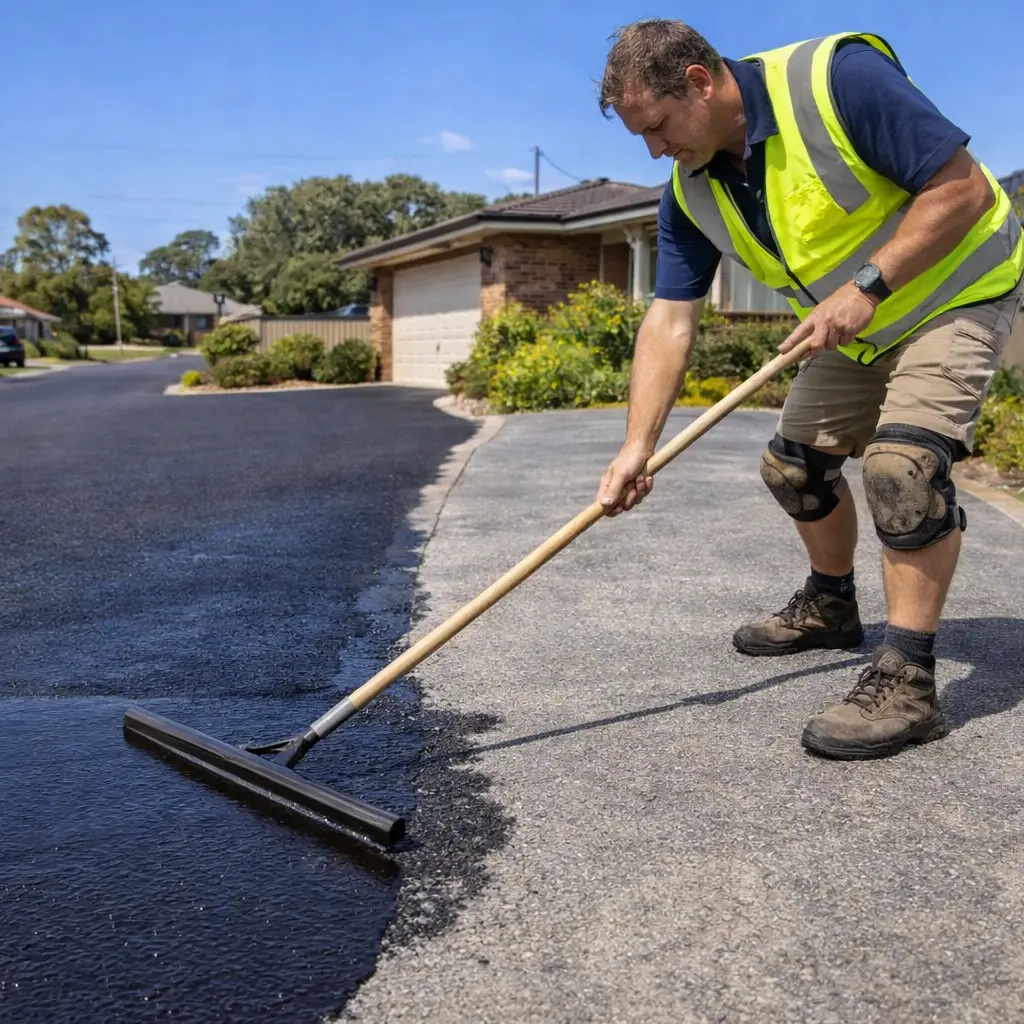
One of the most effective methods to restore asphalt driveway colour is sealcoating. A protective sealcoat layer creates a barrier against oxygen, sunlight and moisture.
Sealcoating helps restore the darker appearance of asphalt surfaces while protecting the pavement from further environmental exposure. This treatment is commonly applied to residential driveways, commercial car parks and access roads.
Proper surface preparation is essential before sealcoating to ensure the protective layer adheres correctly.
Preventing Future Driveway Fading
Although pavement ageing is a natural process, regular maintenance can significantly slow colour fading and structural deterioration.
Practical maintenance measures include:
- Inspecting the surface regularly for cracks
- Repairing small defects before they expand
- Keeping the driveway clean and free from debris
- Ensuring proper drainage to prevent standing water
- Applying protective sealcoating when required
Installing suitable asphalt driveway edging options can also help protect the edges of the pavement from wear and erosion. Concrete borders, kerbs or brick edging provide structural support that helps maintain the shape and durability of the driveway over time.
When Professional Assessment May Be Helpful
In some situations, fading may be accompanied by structural problems such as cracking, uneven areas or surface deterioration. When these issues appear, professional inspection can help determine the most appropriate solution.
Experienced contractors such as RC Civil OZ regularly assess asphalt surfaces in residential communities, commercial premises and industrial facilities. Their team can evaluate pavement conditions and recommend practical maintenance options, including repairs, resurfacing or protective sealing.
Conclusion
Understanding why an asphalt driveway turns grey helps property owners recognise the natural ageing process that affects asphalt surfaces. While some colour fading is inevitable over time, proper maintenance can slow deterioration and improve the overall appearance. Regular cleaning, timely crack repairs, and sealcoating all contribute to preserving the surface and extending its lifespan. Addressing early signs of wear helps maintain both the durability and visual appeal of the driveway for years to come.
Leave Your Comment