
- 0 Comments
- 42 Likes
Introduction
Choosing a driveway surface for heavy vehicles is a fundamentally different decision from selecting one for a standard residential property. The wrong material, inadequate thickness, or poor base preparation will show its weaknesses quickly under the repeated stress of trucks, machinery, and commercial equipment. With several heavy-duty driveway options available across Australian commercial and industrial sites, understanding how each one performs under real load conditions is essential before any work begins. This guide covers the full range of practical solutions, what each one offers, where each one falls short, and how to make the right call for your specific site.
What Heavy Vehicle Driveways Actually Require
The surface layer alone does not determine performance. The full pavement structure beneath it carries equal responsibility. A driveway built for heavy vehicle use must address:
- Subgrade assessment and treatment where ground conditions are poor
- Subbase depth and compaction appropriate to the expected vehicle loads
- Surface thickness matched to the frequency and weight of traffic
- Drainage design that prevents water from undermining the base over time
- Surface resistance to rutting, cracking, and deformation under sustained load
Every material discussed below depends on these foundations being right. A premium surface laid over a poorly prepared base will fail regardless of its quality.
Asphalt: The Most Practical Choice for Commercial Sites
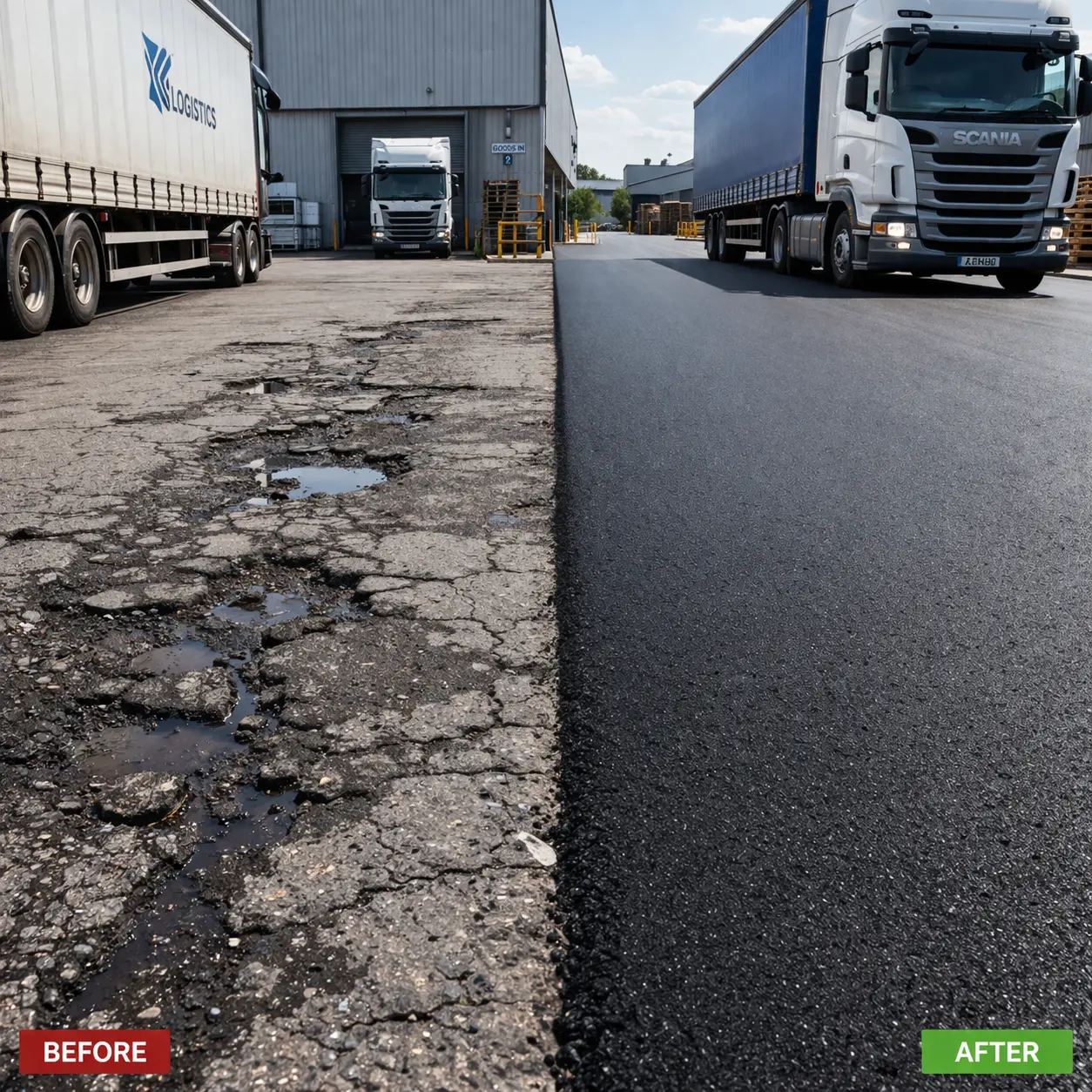
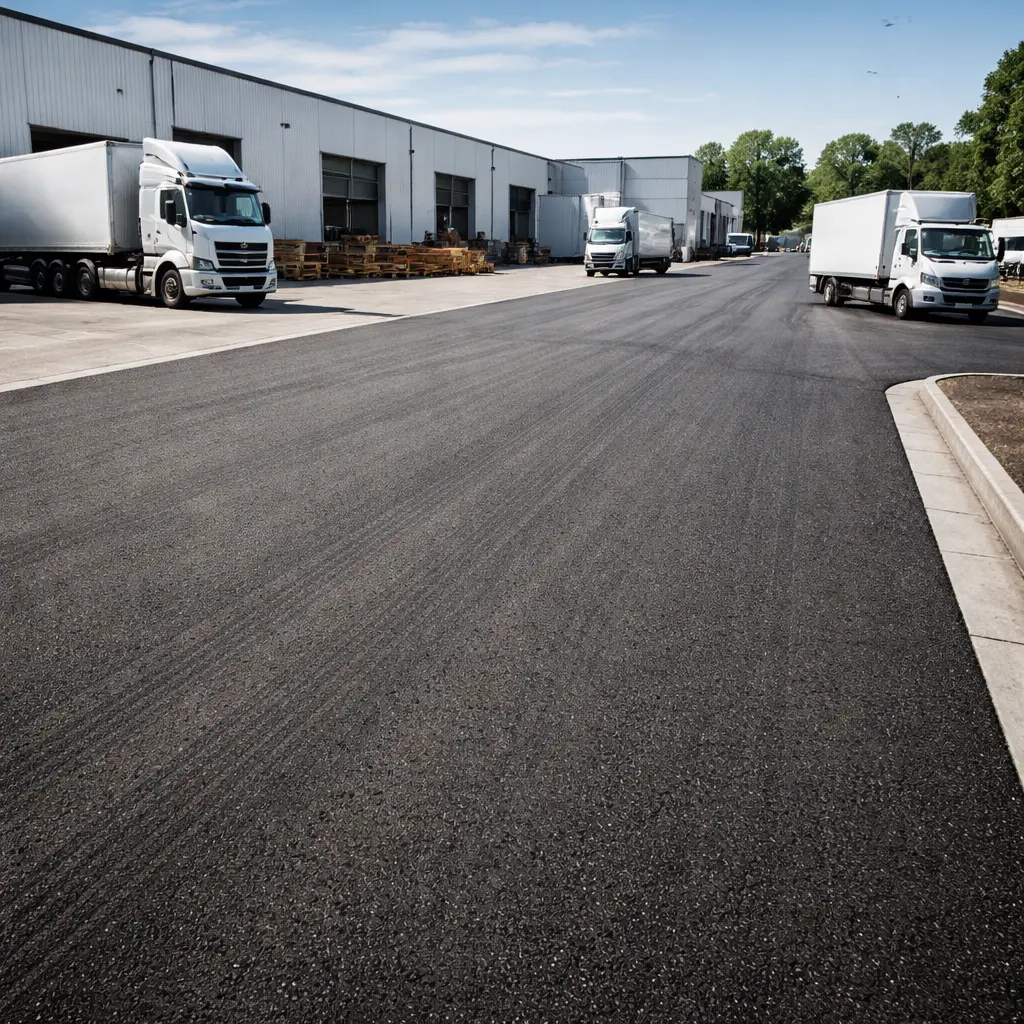
Asphalt is the most widely used surface for commercial driveways, industrial yard areas, and heavy vehicle access roads across Australia. Its combination of flexibility, cost efficiency, and ease of maintenance makes it the default choice for most high-traffic applications.
Why Asphalt Performs Well Under Heavy Loads
Unlike rigid surfaces, asphalt absorbs and distributes load across the pavement structure rather than resisting it. This flexibility reduces cracking risk under variable load patterns and makes it forgiving on sites where ground conditions are not perfectly uniform. Asphalt driveway durability improves significantly when subbase quality is prioritised during construction.
Practical advantages for commercial and industrial use include:
- Lower upfront cost relative to concrete, particularly across large surface areas
- Faster installation and quicker return to service after laying
- Straightforward maintenance through targeted patching and periodic resealing
- Compatible with line marking for car parks, loading zones, and access routes
- Smooth finish that supports vehicle movement and surface drainage
Where Asphalt Has Limitations
In areas where heavy vehicles idle or turn repeatedly in high heat, asphalt can be susceptible to surface deformation. Correct mix selection and adequate pavement thickness manage this risk effectively. Routine inspection and resealing extend the working life of the surface and allow early deterioration to be caught before it becomes a more significant repair.
Reinforced Concrete: Maximum Rigidity for Extreme Loads
Where load demands are consistently high, and surface deformation cannot be tolerated, reinforced concrete is the strongest rigid pavement option available. Its capacity to carry heavy loads without deflecting makes it particularly suited to specific industrial environments.
Reinforced concrete is most appropriate for:
- Heavy industrial facilities with consistently large vehicle or machinery movements
- Loading dock approaches and hardstand areas under sustained concentrated stress
- Sites where heat-related surface deformation is a genuine operational concern
Concrete driveway lifespan is a meaningful long-term advantage when correctly installed and maintained. The trade-offs are a higher initial construction cost, a longer curing period before use, and a more involved repair process when damage occurs.
Recycled Asphalt: A Viable Option for Lower Traffic Access Areas
Recycled asphalt is increasingly used across Australian industrial and rural sites where a durable, cost-effective surface is needed for access roads, yard areas, and low-speed vehicle routes. RC Civil OZ offers recycled asphalt solutions as a practical alternative where full asphalt installation may exceed the project budget.
Recycled asphalt compacts well and binds over time, creating a stable surface that handles moderate vehicle loads effectively. While it is not suited to areas with very high load concentration or frequent heavy truck movements, it provides excellent value for secondary access routes, hardstand areas, and rural driveways.
Bitumen Spray Sealing: Cost-Effective Surface Protection
Bitumen spray sealing involves applying a sprayed bitumen layer followed by an aggregate cover, producing a sealed surface that protects the base from water infiltration and general wear. It is widely used on access roads, rural driveways, and low-speed industrial areas across Australia.
Spray sealing suits sites where:
- A sealed surface is needed without the cost of full asphalt installation
- Traffic volumes are moderate, and vehicle speeds are low
- An existing unsealed base requires protection from weather and surface erosion
It is not a substitute for full-depth asphalt or concrete in areas carrying heavy concentrated loads. Still, as a cost-effective solution for appropriate applications, bitumen spray sealing delivers reliable results.
Comparing Heavy Duty Driveway Materials
| Factor | Asphalt | Reinforced Concrete | Recycled Asphalt | Spray Seal |
| Initial Cost | Moderate | Higher | Lower | Lowest |
| Load Capacity | High | Very High | Moderate | Low to Moderate |
| Installation Speed | Fast | Slower | Fast | Fast |
| Heat Resistance | Moderate | High | Moderate | Moderate |
| Maintenance | Straightforward | More involved | Minimal | Periodic resealing |
| Best Application | Commercial and industrial | Extreme load sites | Access roads and rural yards | Low traffic sealed surfaces |
Base Preparation and Drainage: Non-Negotiable for Every Option
Base preparation and drainage design determine how long any driveway will perform under load, regardless of the surface material selected. Poor compaction, inadequate subbase depth, or insufficient drainage will accelerate deterioration across every option in this guide.
Stormwater management is frequently underestimated on commercial and industrial sites. Water that pools beneath or around the pavement weakens the base, accelerates cracking, and leads to subsidence. Drainage should be designed into the project from the outset rather than addressed once surface problems appear.
Base preparation and drainage are treated as core design considerations on every commercial paving project. If you are planning a heavy vehicle driveway and want guidance on the right material and structural approach for your site, getting in touch early in the planning process is the most practical first step.
Conclusion
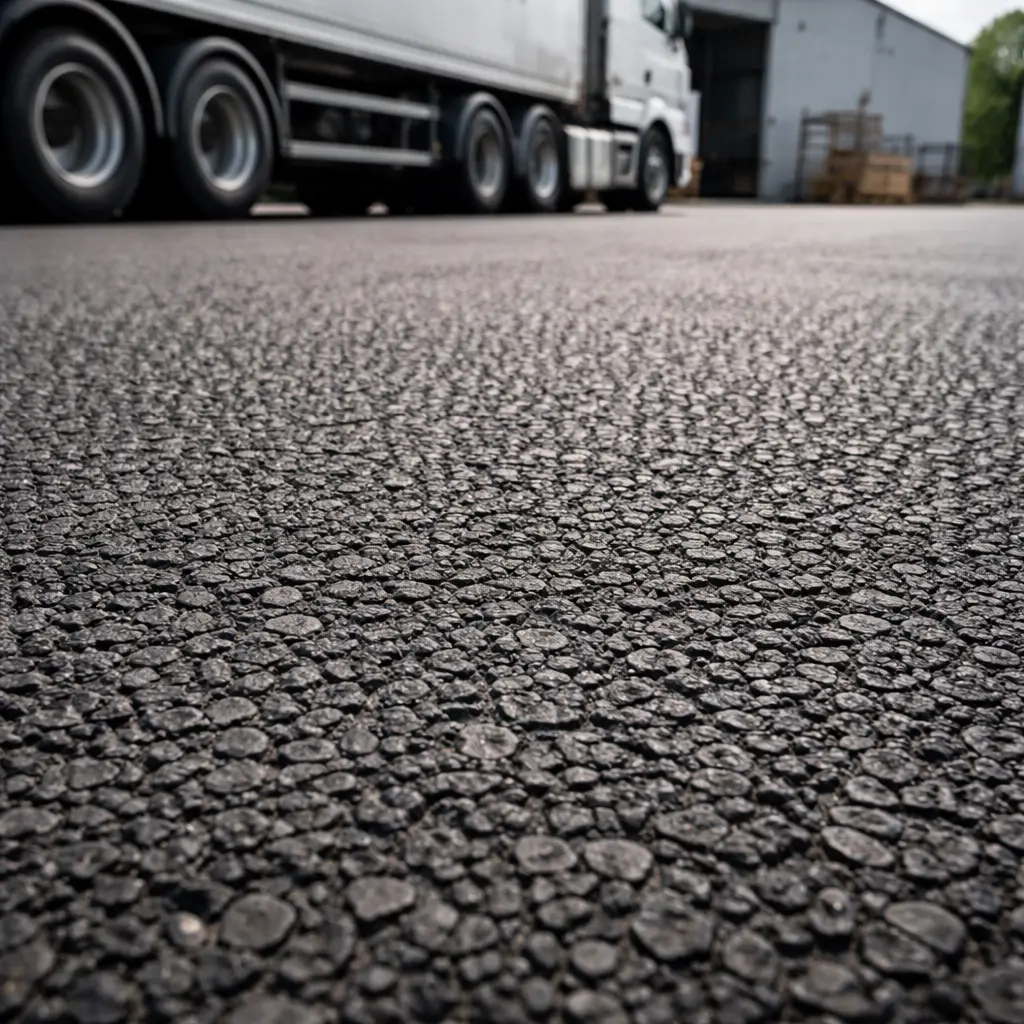
The best driveway solution for heavy vehicles depends on the demands of your site, the loads it needs to carry, your budget, and how the surface will be maintained over time. Asphalt suits the majority of commercial and industrial applications. Reinforced concrete is the right call where maximum rigidity is essential. Recycled asphalt and bitumen spray sealing offer cost-effective alternatives for lower load applications. To discuss the right solution for your site, contact RC Civil OZ and get the right advice from the ground up.
Leave Your Comment