
- 0 Comments
- 42 Likes
Introduction
Concrete has a well-earned reputation as one of the most durable driveway materials available, but longevity is not automatic. A driveway that was poorly prepared at the base, rushed through curing, or left without basic maintenance will deteriorate well ahead of what the material is capable of. Understanding what drives concrete driveway lifespan, what shortens it, and how to read the warning signs before problems become expensive is practical knowledge for any property owner. This guide covers all of that, along with an honest comparison of how concrete performs against asphalt over the long term.
What Actually Determines How Long a Concrete Driveway Lasts
Most conversations about concrete driveway durability focus on the surface. The reality is that decisions made before a single cubic metre of concrete is poured have just as much influence on long-term performance.
Base and Subgrade Preparation
A concrete slab is only as stable as the ground supporting it. Where subgrade conditions are poor, soft, or inadequately compacted, the slab will settle unevenly and develop structural cracking that no surface repair can resolve. Proper subgrade assessment and preparation is the most important step in achieving genuine concrete driveway longevity, and it is also the step most commonly rushed on poorly managed projects.
Slab Thickness and Steel Reinforcement
Slab thickness determines how well the surface handles load cycles over its working life. A slab dimensioned for light passenger vehicles will show fatigue cracking earlier when regularly used by heavier traffic. Steel reinforcement adds tensile strength and controls how cracks form and progress as the concrete moves through natural expansion and contraction across seasons.
Curing Conditions
Concrete gains its structural strength through the curing process in the days following placement. In hot or dry Australian conditions, surface moisture can be lost too quickly, leading to shrinkage, micro-cracking, and reduced long-term hardness. Quality installation includes proper curing practice from the moment the concrete is finished, not just the pour itself.
Drainage and Water Management
Water is the most consistent long term threat to any driveway structure. Where drainage is poor, water pools around and beneath the slab, gradually eroding the base and creating conditions for subsidence and cracking. In parts of Australia where heavy rainfall is seasonal, drainage design built into the driveway from the outset is fundamental to the surface reaching its expected lifespan. It also helps prevent unexpected costs linked to drainage and groundwork issues.
Traffic Load and Usage
A residential driveway serving passenger vehicles will age very differently from one absorbing regular deliveries, trade vehicles, or machinery access. Load frequency, vehicle weight, and turning patterns concentrate stress in specific areas of the slab and accelerate deterioration where the surface is not designed for that demand.
How Australian Conditions Shape Concrete Driveway Lifespan
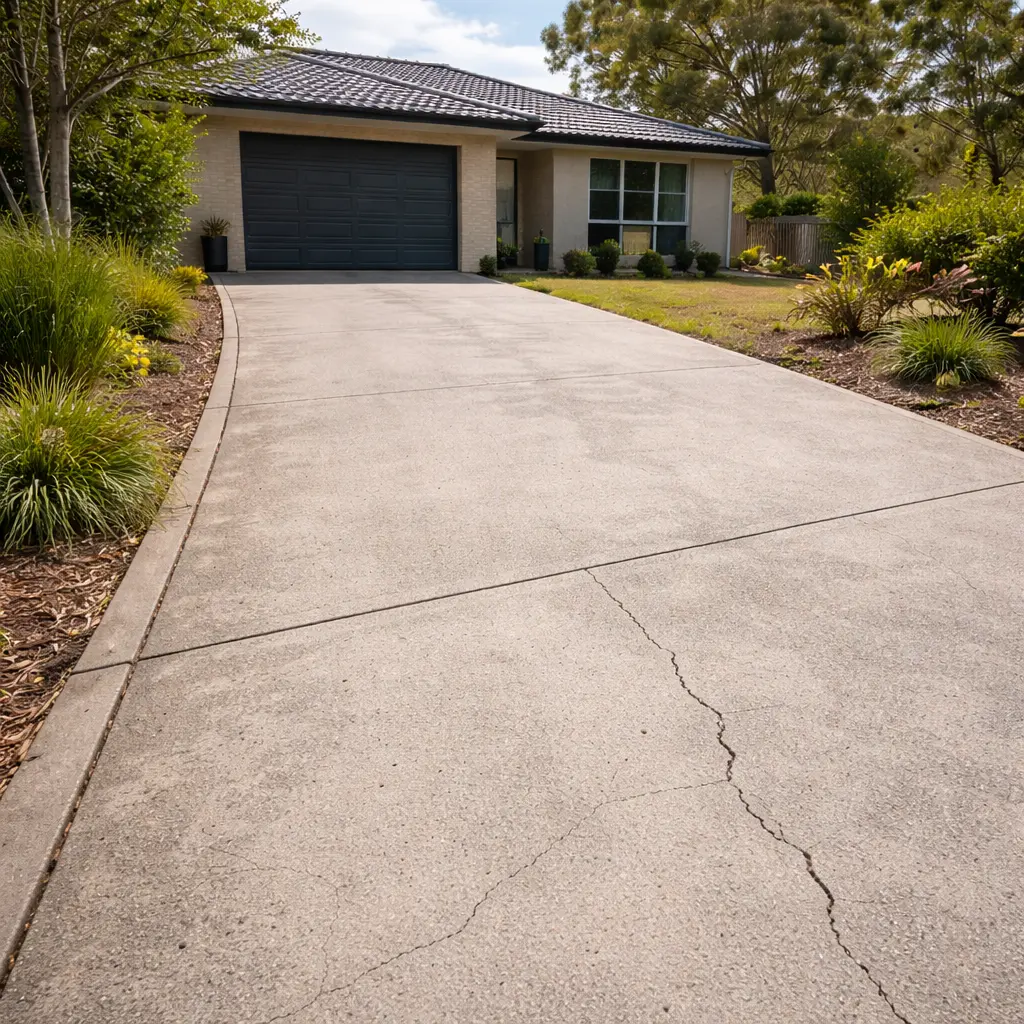
Australian driveways face different pressures than those in freeze-thaw climates. Sustained UV exposure, high summer temperatures, thermal expansion across seasonal swings, and intense rainfall events all place real demands on concrete surfaces over time.
In high heat environments, thermal movement increases stress at control joints and edges. In coastal and high rainfall regions, surface sealing and drainage management become the most important maintenance priorities. Understanding the specific conditions your driveway operates under sets realistic expectations and informs the right maintenance approach for your property.
Concrete Driveway Maintenance: What Actually Makes a Difference
A well-built concrete driveway still requires attention to reach its full potential lifespan. Maintenance does not need to be intensive, but it does need to be consistent.
Sealing the Surface
A quality concrete sealer protects against moisture penetration, UV degradation, and surface staining. Resealing at appropriate intervals maintains that protective layer and is one of the most cost-effective ways to extend driveway lifespan without major intervention.
Keeping Drainage Clear
Blocked channel drains, edge buildups, and debris accumulation around the slab perimeter allow water to track beneath the driveway over time. Keeping drainage paths clear protects the base and prevents the subsurface erosion that eventually causes sinking and cracking.
Acting on Cracks Early
A hairline crack in a concrete driveway is not necessarily a structural emergency, but leaving it untreated is a mistake. Water entering through surface cracks reaches the base below, accelerates deterioration, and turns a minor repair into a far more involved problem. Concrete crack repair addressed promptly costs a fraction of dealing with the consequences later.
If you are noticing cracking, surface movement, or drainage changes around your driveway, reaching out to RC Civil OZ for an honest assessment is a practical step before the situation develops further.
Warning Signs That Your Concrete Driveway Needs Attention
Recognising deterioration early gives property owners the most options at the lowest cost. Signs worth acting on include:
- Widespread or structural cracking across multiple slab sections rather than isolated surface lines
- Sinking or uneven surfaces indicate base movement or subsidence beneath the slab
- Surface spalling where the concrete face begins to flake, pit, or crumble
- Persistent pooling in areas that previously drained without issue
- Edge deterioration where slab corners or joins are breaking down
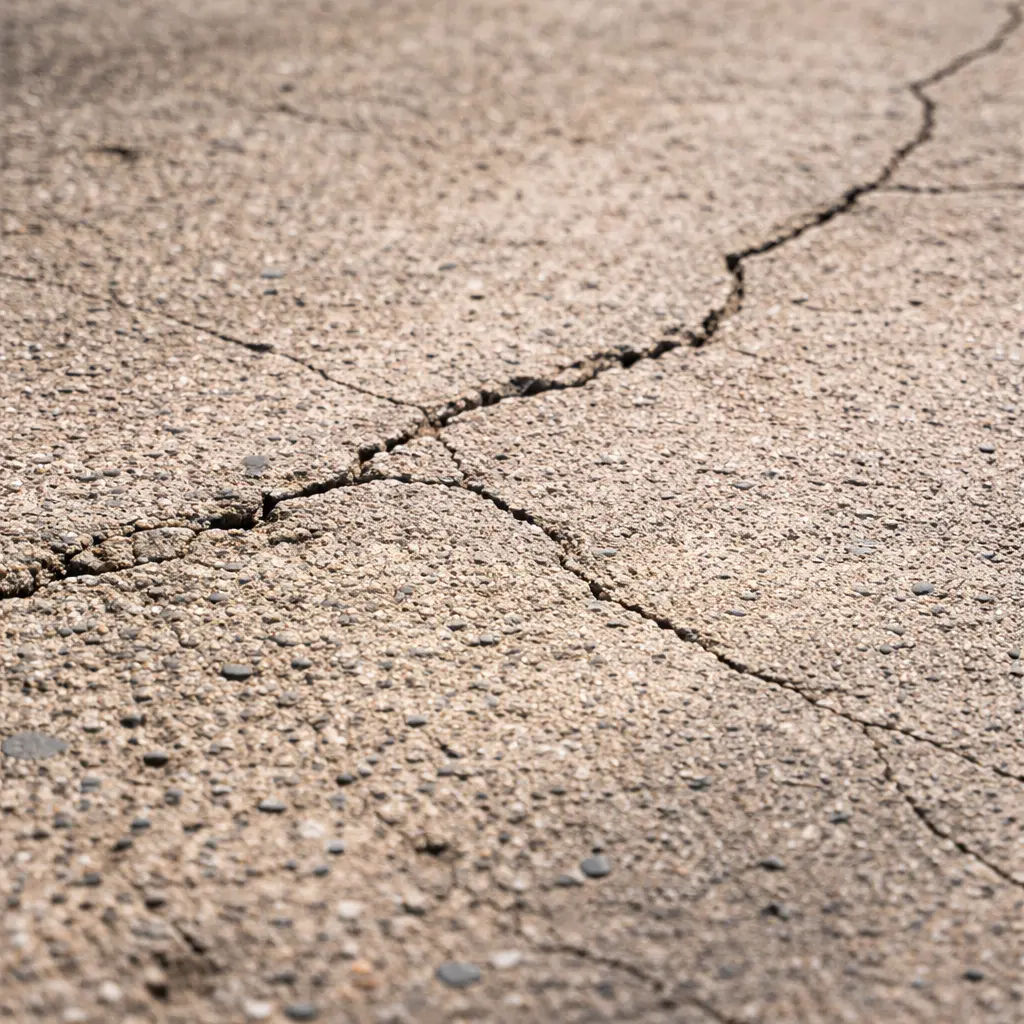
Isolated surface wear and minor cracking can often be repaired or resurfaced cost-effectively. Where damage is structural, widespread, or tied to base failure, replacement is the more durable solution.
Repair, Resurface, or Replace: Making the Right Call
Surface-level wear, cosmetic cracking, and minor spalling are candidates for repair or resurfacing, provided the base beneath the slab remains structurally sound. Applying a new surface to a driveway with compromised foundations will not resolve the underlying problem and will need to be repeated as movement continues.
Where cracking is structural, the slab is sinking unevenly, or base failure is evident, full replacement is the more practical long-term investment. RC Civil OZ can assess your existing driveway and recommend the approach that makes genuine sense for your situation, not simply the most convenient one.
Conclusion
Concrete driveway lifespan is the result of decisions made during design, installation, and maintenance across the life of the surface. A properly built and consistently maintained driveway will serve a property reliably for a long time. One that was rushed at the base or left without attention will show its age far sooner. If you are planning a new installation or assessing an existing driveway, RC Civil OZ offers straightforward guidance to help you make the right decision for your property and budget.
Leave Your Comment