
- 0 Comments
- 1 Likes
Introduction
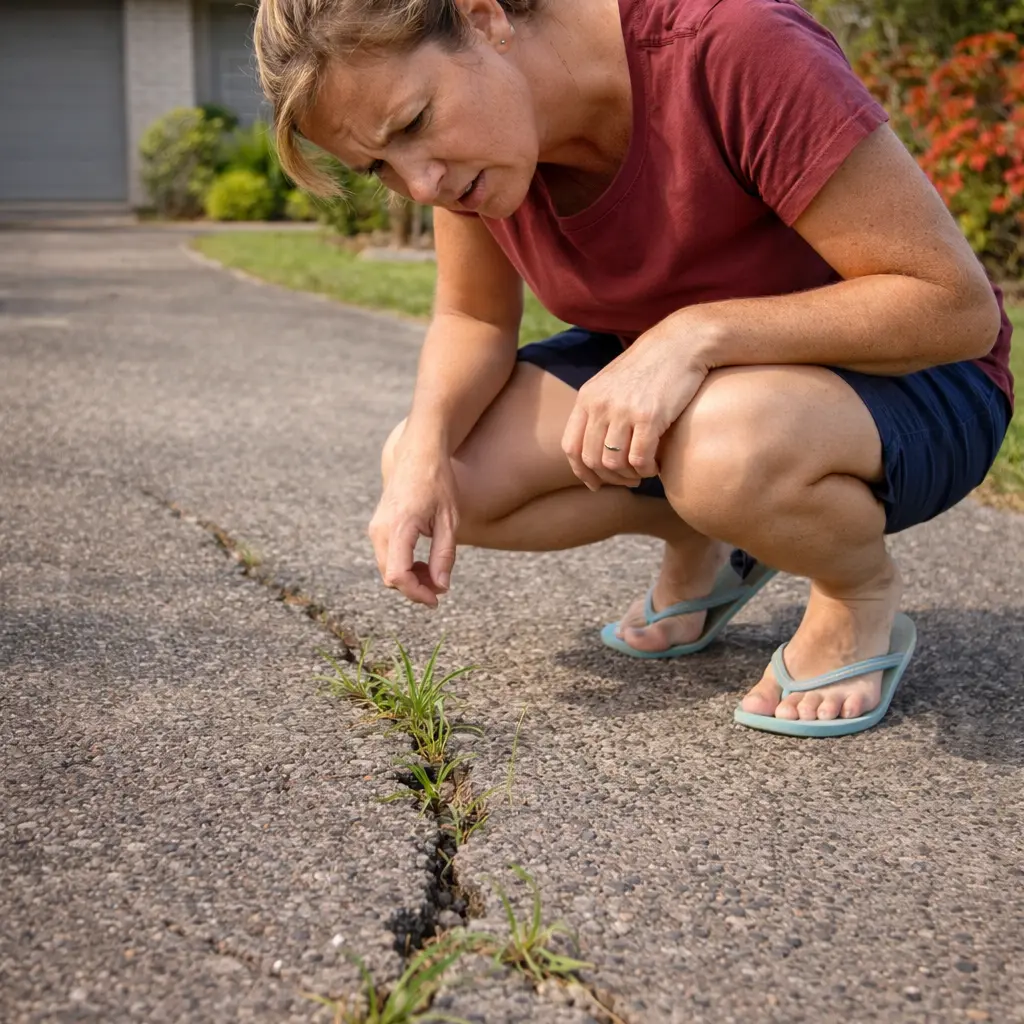
Many property owners become concerned when weeds begin to appear through cracks or along the edges of asphalt surfaces. Even well-constructed pavement can develop small openings over time, where vegetation starts to emerge. Sunlight plays a key role in supporting this growth, allowing seeds trapped in these gaps to develop and spread.
Understanding why vegetation develops helps property owners address the issue early. With proper installation and regular maintenance, it is possible to reduce vegetation growth and maintain the condition of asphalt driveways, car parks and access roads.
If you are planning asphalt driveway installation services, choosing the right surface preparation and maintenance approach can help protect the pavement and extend the life of your driveway.
Why Is Grass Growing Through My Asphalt Driveway
Vegetation emerging through asphalt pavement is often linked to a few underlying factors related to installation conditions and surface wear.
Sub-Base Preparation and Structural Stability
The long-term performance of an asphalt driveway depends heavily on the condition of the ground beneath it. Proper soil preparation, including compaction and stabilisation, is essential to create a strong and stable foundation. If this step is not carried out correctly, organic material or weed seeds may remain within the layers below, which can eventually push upward through weak points in the surface.
A durable driveway also relies on well-constructed base layers beneath the asphalt. These typically include a compacted sub-base and base course that support the pavement above. Many property owners consider factors such as how thick an asphalt driveway should be to ensure it can withstand regular use. When these layers are insufficient or poorly installed, the surface may develop small cracks or gaps. These openings allow moisture and soil to penetrate, creating conditions that encourage vegetation growth and reduce overall pavement stability.
Severe Asphalt Cracks
Cracks that remain unrepaired can gradually allow seeds and soil particles to settle into the pavement. Rainwater carries these materials into openings where roots can take hold.
Once plant roots develop within pavement cracks, they can expand the opening and accelerate surface deterioration. Repairing cracks early helps prevent further damage to the pavement structure.
How to Remove Grass Growing in an Asphalt Driveway
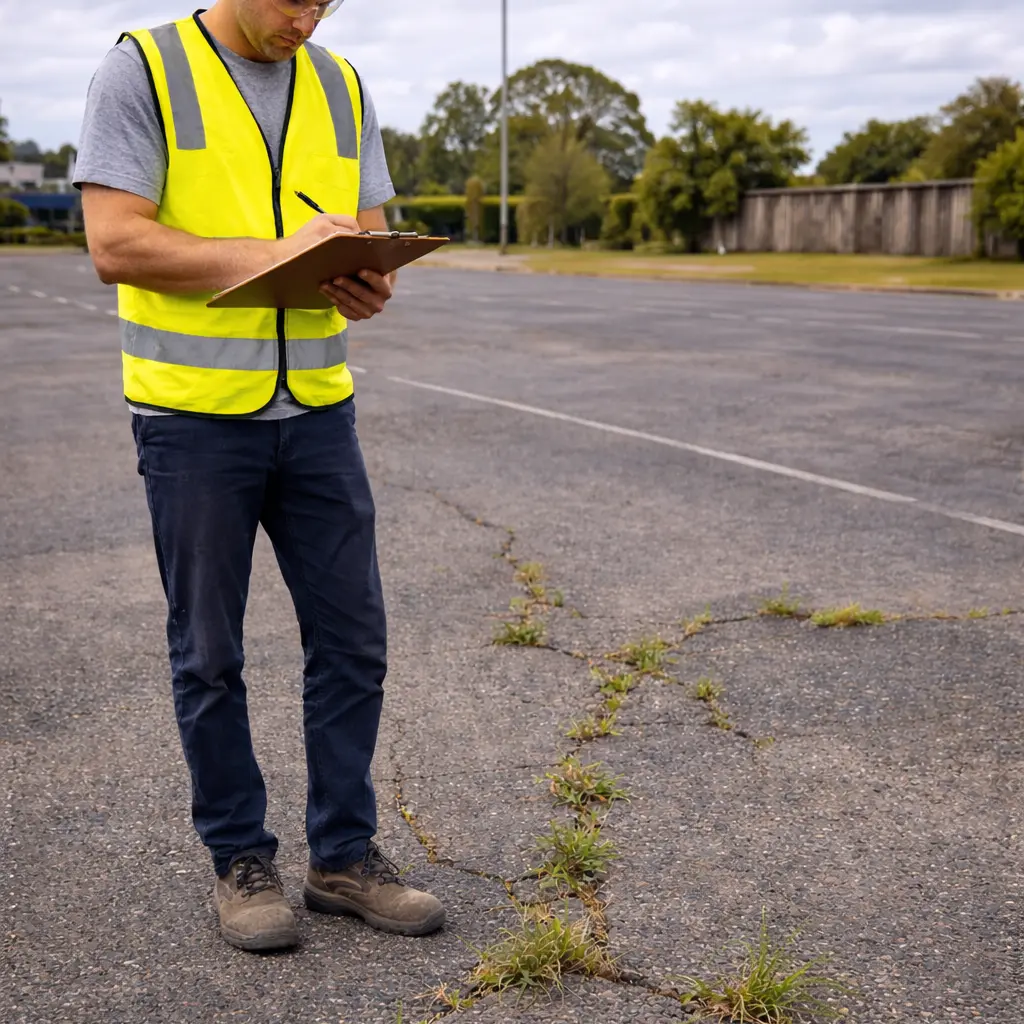
When vegetation appears in driveway cracks it should be removed promptly before it spreads further across the surface.
Pour Boiling Water Over the Weeds
Boiling water is sometimes used as a simple method to remove small weeds from pavement cracks. The heat damages plant tissue and weakens the roots.
This approach may help control minor vegetation growth, although deeper roots may still require further treatment.
Use a Natural Weed Control Method
Some property owners use natural solutions such as vinegar-based mixtures to treat vegetation in pavement cracks. These methods can help control small weeds, although they may need repeated application to achieve lasting results.
Care should be taken when applying any treatment near surrounding landscaping.
Use a Commercial Weed Treatment
Commercial weed treatments are often used to eliminate persistent vegetation. These products are designed to target plant roots and prevent regrowth.
Following manufacturer guidance is important when applying these treatments near paved areas.
Maintain the Asphalt Surface
Regular pavement maintenance plays a key role in preventing vegetation growth. Removing debris and repairing surface damage reduces the chances of weeds establishing themselves within the pavement.
Typical maintenance tasks include:
- Cleaning debris from pavement cracks
- Removing plant roots from surface openings
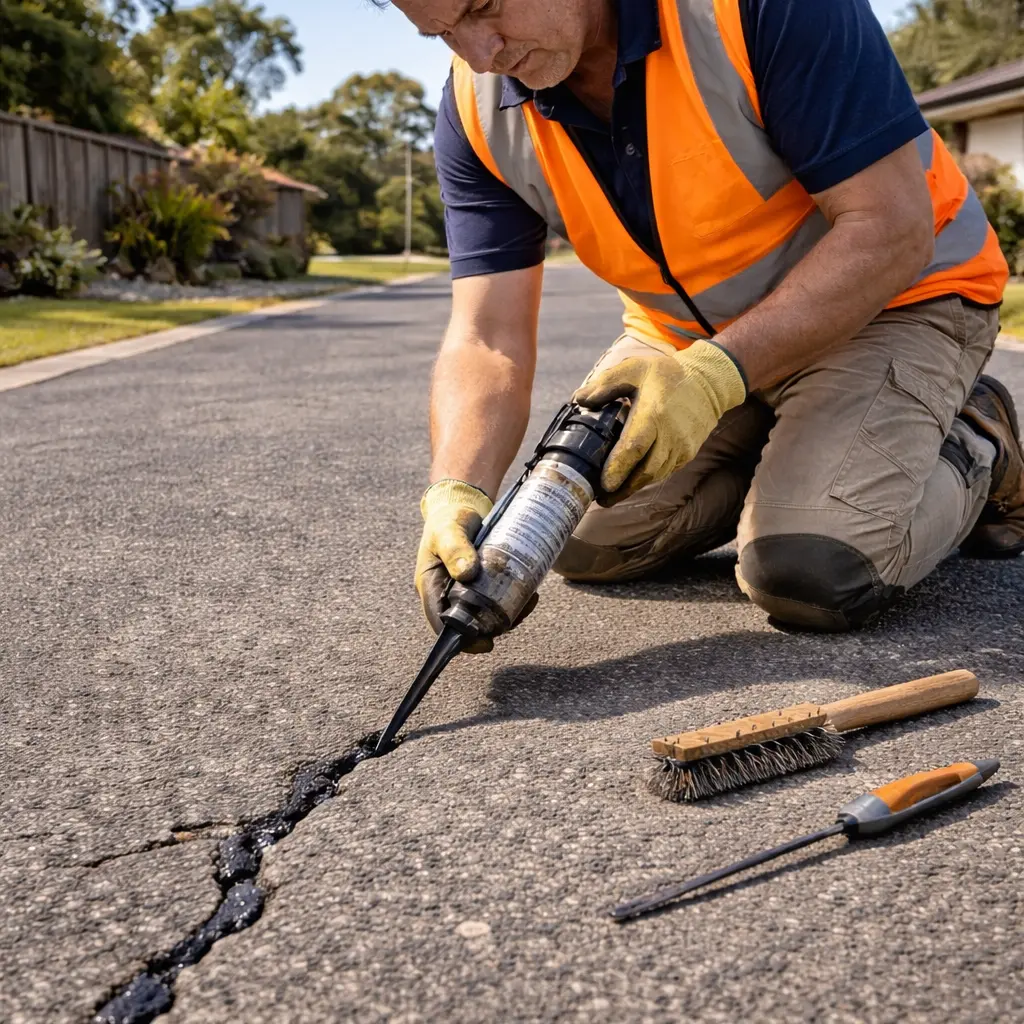
- Sealing cracks to prevent moisture entry
- Applying protective sealcoat when required
These measures help maintain the integrity of the pavement surface.
How to Prevent Weeds from Growing Through Driveway Cracks
Professional Asphalt Installation
One of the most effective ways to prevent vegetation is through correct installation. Proper compaction of the sub-base and base layers creates a stable pavement foundation.
Professional contractors ensure the pavement structure is prepared correctly before asphalt paving begins.
Use of Weed Barriers
In some cases, stabilising layers or barriers may be used beneath pavement areas. These materials help reduce the likelihood of weed seeds reaching the surface.
While not required for every project, they can provide additional protection in areas where soil movement or vegetation is common.
Frequent Seal Coating
Seal coating helps protect asphalt surfaces from environmental exposure. The protective layer reduces moisture penetration and helps limit the formation of small cracks where vegetation might develop.
Over time, surfaces may also begin to fade or turn grey as the bitumen binder gradually oxidises due to sunlight, air exposure, and weather conditions. Regular application of a protective coating can help slow this process and maintain the surface appearance.
Seal coating is commonly used in driveways, commercial premises and paved access areas.
Prevent Seeds from Spreading
Seeds from surrounding garden beds or landscaping areas can easily reach pavement surfaces. Maintaining nearby landscaping and controlling soil movement helps reduce the number of seeds entering driveway cracks.
Installing edging or gravel borders can also assist in preventing soil and organic material from spreading onto paved areas.
If damage begins to appear across larger sections, assessing the surface early can help identify underlying issues.
Conclusion
Vegetation appearing in driveway cracks is usually a sign that small openings have developed in the pavement surface. Proper installation, regular maintenance and prompt crack repair are essential for protecting asphalt surfaces. When vegetation or surface damage begins to appear, early attention can prevent further deterioration. If your driveway or paved areas require inspection or repair, contacting RC Civil OZ can help identify practical solutions to maintain the performance and appearance of your asphalt surfaces.
Leave Your Comment