

- 0 Comments
- 41 Likes
Introduction
Both warm mix and hot mix asphalt build strong, durable roads. Hot mix asphalt is the trusted, high-performance standard, while warm mix asphalt is produced at lower temperatures for greater sustainability and a more flexible paving window. The right choice depends on the project, the site and your priorities.
Australia’s roads take on a lot, from baking summer heat to heavy freight and constant traffic. The asphalt beneath them has to be up to the task.
For years, hot mix asphalt has been the backbone of road building here and around the world. More recently, warm mix asphalt has grown in popularity as a more sustainable way to achieve a similar result.
So how do the two compare, and which suits your project? This guide walks through both so that you can weigh them up with confidence, drawing on the knowledge of an experienced Brisbane asphalt and civil team.
Warm Mix Asphalt Benefits: A Cooler Way to Build a Strong Surface
Unlike traditional hot mix asphalt, warm mix asphalt (WMA) is produced and applied at lower temperatures. Additives, foaming technology or emulsions help the bitumen coat the aggregate at a reduced heat, so the mix stays workable and compacts well.
Those lower temperatures cut energy use and plant emissions, which supports more sustainable construction. Warm mix also works well with reclaimed asphalt pavement, since a cooler process makes it easier to include recycled material in the mix.
The gains show up on site too. A cooler mix gives more flexibility for paving in cooler conditions, for night works and for projects with tight construction windows. It is now widely used across Australian road, commercial and civil projects where sustainability and efficiency are priorities.
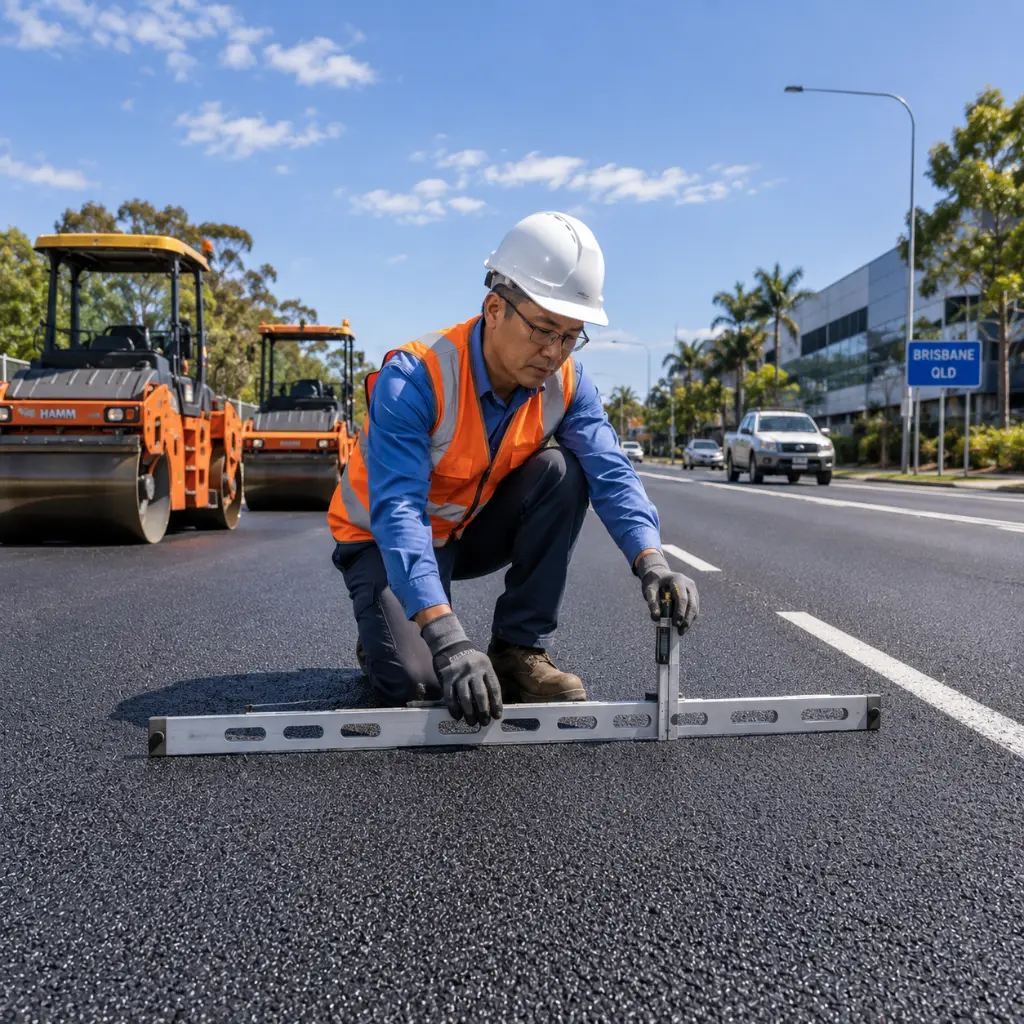
Hot Mix Asphalt Benefits That Make It the Trusted Standard
Hot mix asphalt has earned its place as the go-to choice for good reason. Produced at high temperatures, it delivers a dense, strong and reliable surface that stands up to heavy traffic.
The high production heat gives excellent workability and a robust bond between bitumen and aggregate. That makes it a hardwearing surface suited to highways, busy roads and high-traffic car parks.
Its long, successful history on Australian roads means the laying and compaction methods are well proven, and its performance is well understood by contractors and engineers alike.
Warm Mix Asphalt vs Hot Mix Asphalt: The Key Differences
Both mixes produce a quality asphalt surface, so the differences come down to how they are made and where each shines. The main distinction is the production and laying temperature, which flows through to energy use, emissions and timing.
There is a practical difference on the ground as well. Hot mix must be compacted while it is still hot, which tightens the working window, whereas a warm mix stays workable for longer and can be easier to place on larger or more complex jobs.
That temperature difference is why warm mix suits sustainability-led and cooler-weather work, while hot mix leans on its proven track record for the heaviest duty. In Queensland’s heat, rut resistance and a strong binder matter, and both mixes can be engineered to perform well in warm climates.
Warm Mix vs Hot Mix Asphalt at a Glance
- Production temperature: hot mix runs hotter, while warm mix is produced cooler.
- Sustainability: warm mix uses less energy and supports lower emissions.
- Performance: both deliver strong, durable and long-lasting surfaces.
- Paving window: warm mix offers more flexibility for cooler weather and night work.
- Track record: hot mix has the longest, most established history on Australian roads.
Neither warm mix nor hot mix asphalt is universally better. The best choice depends on traffic loads, environmental goals, construction conditions and the performance the pavement needs to deliver.

Choosing the Right Mix for Your Project
There is no one-size-fits-all answer, and that is a good thing. It means the mix can be matched to the road, the traffic and what matters most to you.
It helps to weigh four things: the traffic the surface will carry, the local climate, how quickly the road needs to reopen, and any sustainability targets on the project. Those factors usually point clearly to one mix or the other.
Hot mix asphalt is a dependable choice for heavy-duty, high-traffic surfaces where a proven track record is the priority. Warm mix asphalt suits projects that value sustainability, cooler-weather paving and a quicker return to traffic.
Where the goal is to protect and waterproof an existing surface rather than build a structural pavement, a single or two-coat bitumen spray seal can be a suitable alternative worth discussing.
A logistics operator running a busy two-lane access road came to us wanting to lower the carbon footprint of the resurfacing work. After weighing the options together, our team laid a warm mix that stood up to constant truck movements and met their sustainability goals.
Our team delivers professional road and pavement surfacing across Brisbane and can talk you through which mix fits your site, your budget and your timeline. You can also browse examples of our completed paving projects to see the standard we work to.
When you’re ready to move forward, request a free quote and we’ll recommend the most suitable solution for your project.
Leave Your Comment