
- 0 Comments
- 45 Likes
Introduction
When it comes time to seal a road, car park or rural driveway, one question comes up again and again. Do you need a single-coat spray seal, or is a two-coat spray seal the better investment?
A spray seal is a sprayed layer of bitumen binder covered with aggregate, and it protects and waterproofs the surface beneath. The number of coats changes how it performs, how long it lasts and what it costs.
This guide breaks down the key differences to help Brisbane property owners and facility managers choose the most suitable option for their project. For advice matched to local conditions, it helps to work with a Brisbane asphalt and civil construction contractor who seals surfaces like yours every day.
What a Spray Seal Actually Does
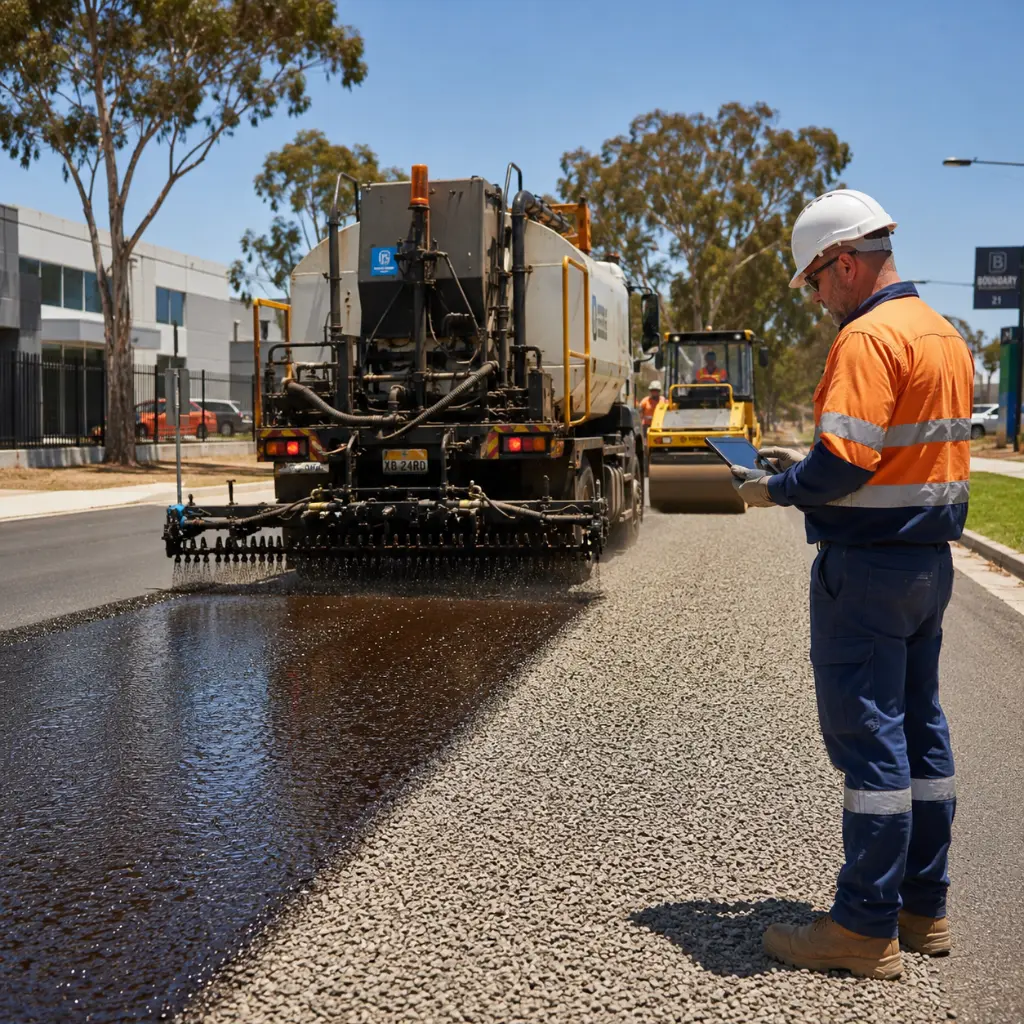
A bitumen spray seal is a surfacing method, not a structural layer. The process involves spraying hot bitumen over a prepared surface before spreading a layer of aggregate, commonly known as cover stone, which is then compacted with rollers.
The bitumen waterproofs the surface and binds the stone, while the aggregate provides skid resistance and protects the binder from traffic wear. It is a proven, cost-effective solution for protecting roads, car parks and large sealed areas.
Unlike asphalt, a spray seal is thin and flexible. It is designed to waterproof and protect an existing surface rather than increase its structural strength. By comparison, hot mix asphalt and warm mix asphalt create a thicker structural pavement capable of carrying traffic loads, whereas a spray seal primarily waterproofs and protects the existing surface.
How Spray Sealing Works, Step by Step
Spray sealing follows a clear sequence, and the preparation matters as much as the spraying itself. The surface is cleaned, and any defects are made good before a drop of bitumen goes down.
Repairing cracks, potholes and unstable sections before sealing is essential, as a spray seal will only perform as well as the pavement beneath it.
Once the surface is ready, the bitumen is sprayed at a controlled rate, the aggregate is spread evenly, and the surface is rolled to bed the stone in. Timing and weather matter, since the seal needs warm, dry conditions to bond properly.
When to Use a Single Coat Spray Seal
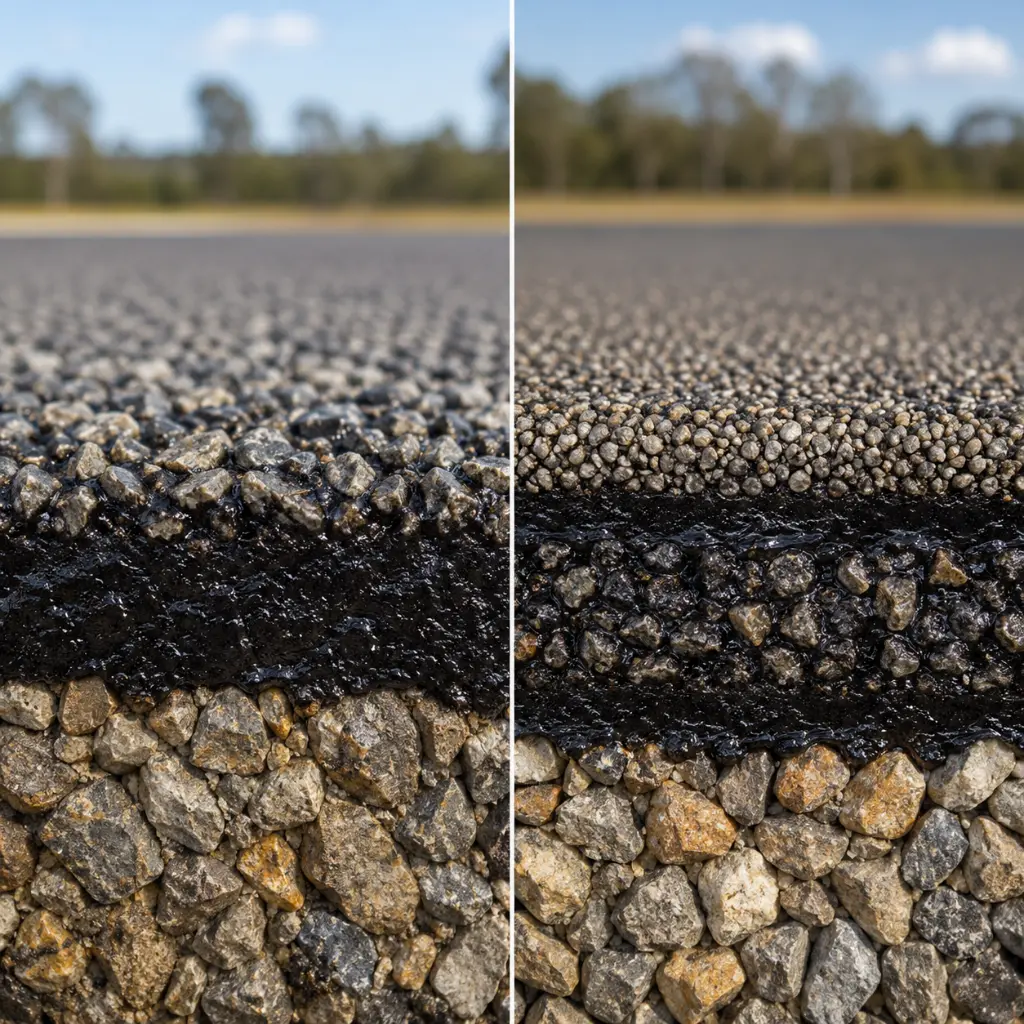
A single coat spray seal involves one application of bitumen and one layer of aggregate. It is the lighter, more economical option, and it works well in the right setting.
It suits surfaces that are already sound and reasonably smooth, such as a reseal over an existing seal, or a lower-traffic driveway or car park. In these cases, one coat provides good waterproofing and a fresh, durable surface.
The main thing to weigh is that a single coat relies on the surface underneath being in good shape. On sound, settled surfaces, that is exactly what makes it such an efficient choice.
Two-Coat Spray Seal Benefits: When to Step Up
A two-coat spray seal, sometimes called a double seal, applies two rounds of bitumen and aggregate. A coarser stone goes down first, followed by a finer stone in the second coat.
This build gives a stronger, more textured surface that locks the aggregate in place and improves waterproofing. It copes far better with heavier traffic and with surfaces that are new, rough or variable.
The second coat helps lock the larger aggregate into place, improving stone retention while accommodating minor surface irregularities. It costs more upfront, but on the right site, it delivers a longer-lasting result and can reduce future maintenance.
Single Coat Seal vs Two Coat Seal: Making the Choice
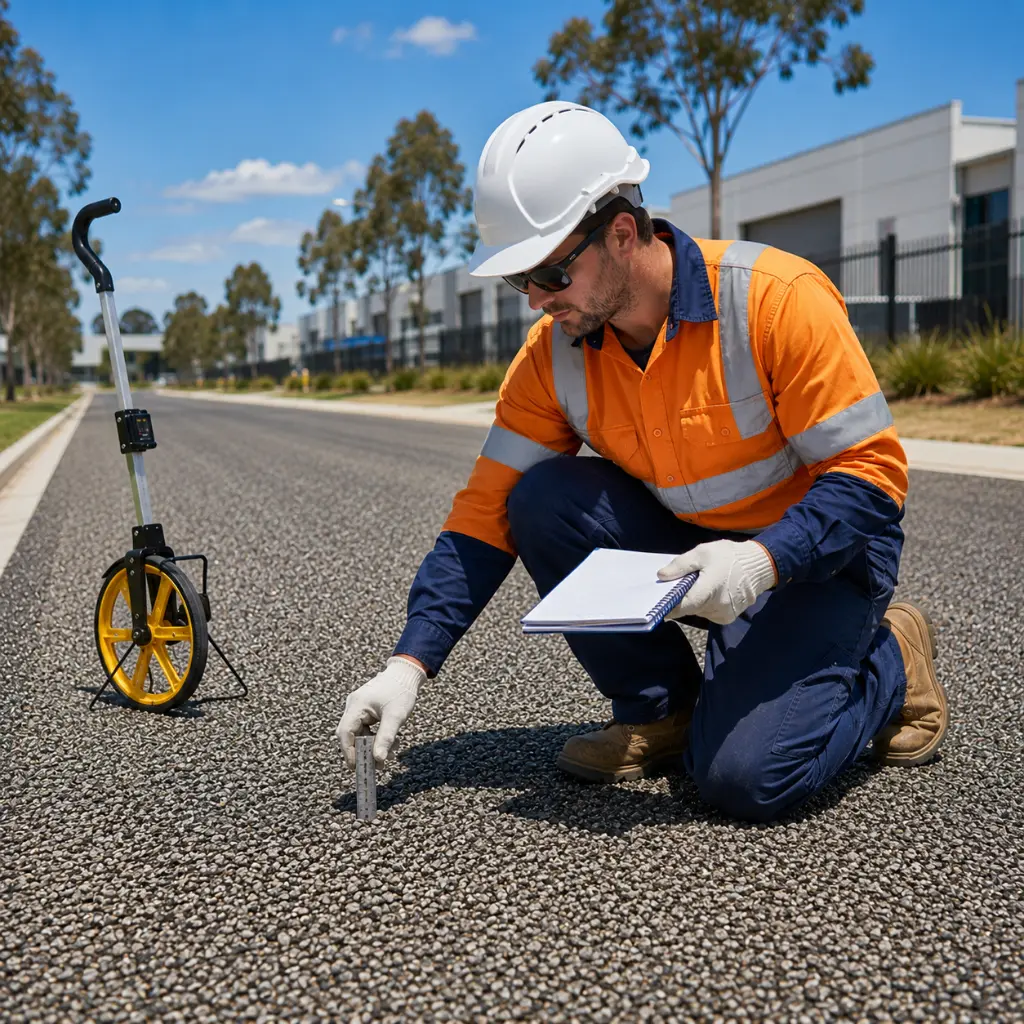
The decision comes down to the surface, the traffic and the outcome you need. There is no single answer that fits every project, which is why an on-site assessment is so useful.
As a general guide:
- Choose a single coat for sound, smoother surfaces, resealing and lighter traffic.
- Choose a two-coat for new pavements, rougher surfaces and higher traffic loads.
- Lean towards a two-coat where long-term durability and waterproofing are the priority.
- Always factor in the surface condition, because a failing base needs repair before either option.
For a busy site, the added toughness of a double seal often pays off.
A rural property in the area recently asked us to seal a long, worn driveway that saw heavy vehicle use. We prepared the surface and laid a two-coat seal, which gave a tougher, better-waterproofed finish suited to the traffic. You can see examples of our completed sealing work to get a feel for how we approach different surfaces.
Protect Your Surface With the Right Seal
A spray seal is a small investment that guards the pavement underneath from water, wear and the Queensland sun. Matching the seal to the surface is what makes that protection last.
The surest way to get it right is to have the surface assessed before any work is booked. Its condition, the traffic it carries and its exposure all decide whether a single coat or a two-coat spray seal will serve you best.
Our crew can assess your site and arrange a professionally applied sprayed bituminous sealing service tailored to your surface. Request a free quote when you are ready, and we will take care of the rest.
Leave Your Comment