

- 0 Comments
- 35 Likes
Introduction
Resealing is one of the most important decisions a property owner makes for the long term performance of their pavement. Asphalt driveway resealing frequency is not a fixed schedule, since timing shifts with age, site conditions, traffic patterns and overall surface health. Some driveways call for attention sooner than expected, while others can wait comfortably between treatments. This guide explains when to reseal asphalt driveway surfaces, what factors influence timing and how to plan a sensible asphalt driveway sealing schedule that supports both appearance and structural integrity.
What Resealing Actually Does
Resealing places a fresh protective layer over the existing pavement. This layer shields the binder from environmental exposure, fills minor surface defects and restores a uniform finish across the driveway. The result is improved kerb appeal alongside better resistance to daily use. Without periodic resealing, the surface gradually becomes more porous, harder to clean and more difficult to maintain at a professional standard.
How Often to Reseal an Asphalt Driveway
How often to reseal asphalt driveway surfaces depends on several site specific factors. The first treatment after installation is the most important to time correctly, since it locks in the performance of a fresh surface. After that, resealing decisions are guided by the condition of the pavement rather than the calendar alone.
New Driveways
A newly installed driveway needs time before the first reseal. The surface must cure fully so that the binder settles and the natural oils dissipate. Resealing too early can interfere with curing, while waiting too long leaves the pavement exposed during its most vulnerable period. A professional inspection is the best way to confirm readiness for the first application.
Established Driveways
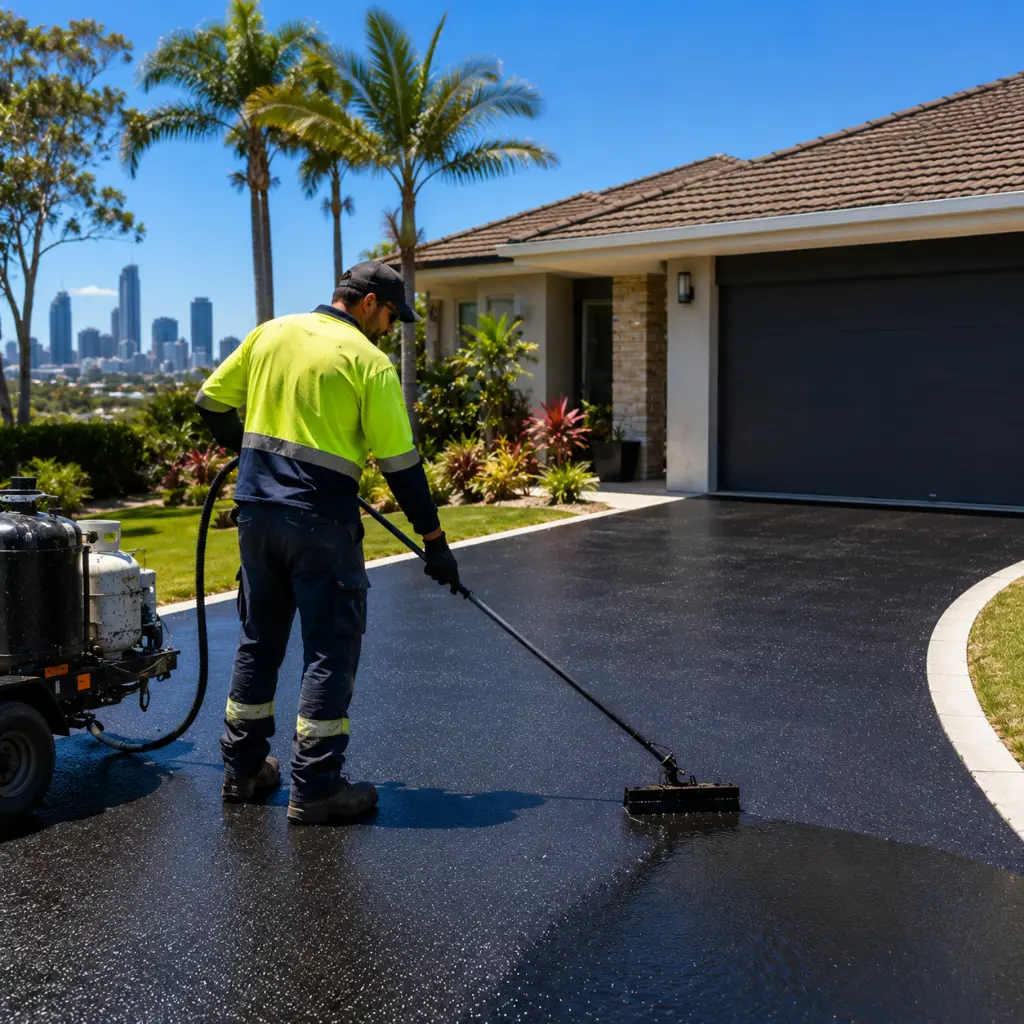
For driveways that have been sealed previously, timing depends on how the surface is performing day to day. A condition led approach is far more reliable than working to a strict interval. By focusing on what the pavement looks and feels like, owners avoid both premature treatments and overdue ones.
Factors That Influence Resealing Timing
Several conditions push resealing forward or allow it to be safely delayed. Understanding these factors helps property owners build a realistic asphalt resealing schedule.
Driveway Age
Younger driveways generally require less frequent treatment because the binder is still in good condition. Older surfaces respond differently, having spent years exposed to wear and weathering. As age increases, closer monitoring becomes more valuable, and the window between reseals tends to narrow.
Traffic and Use
A driveway used daily by several vehicles wears differently from one used occasionally. Frequent turning movements, heavier loads and constant parking pressure all reduce surface protection over time. Commercial premises and shared residential driveways generally call for resealing sooner than lightly used private driveways.
Surface Condition After Repairs
Driveways that have recently undergone crack filling or pothole repairs often benefit from resealing soon afterwards. A fresh seal bonds the repaired sections with the surrounding pavement, creating a more uniform finish and reducing the risk of repeat defects in the same area.
Site Specific Exposure
Driveways with strong sun exposure, reflective surroundings or open positions often weather faster than those with partial shade. Site conditions can be more influential than age in shaping the right timing, which is why two driveways on the same street can have very different needs. In warmer regions especially, hot climate driveway care plays a direct role in how quickly the surface reaches the point where resealing becomes necessary.
Signs It Is Time to Reseal
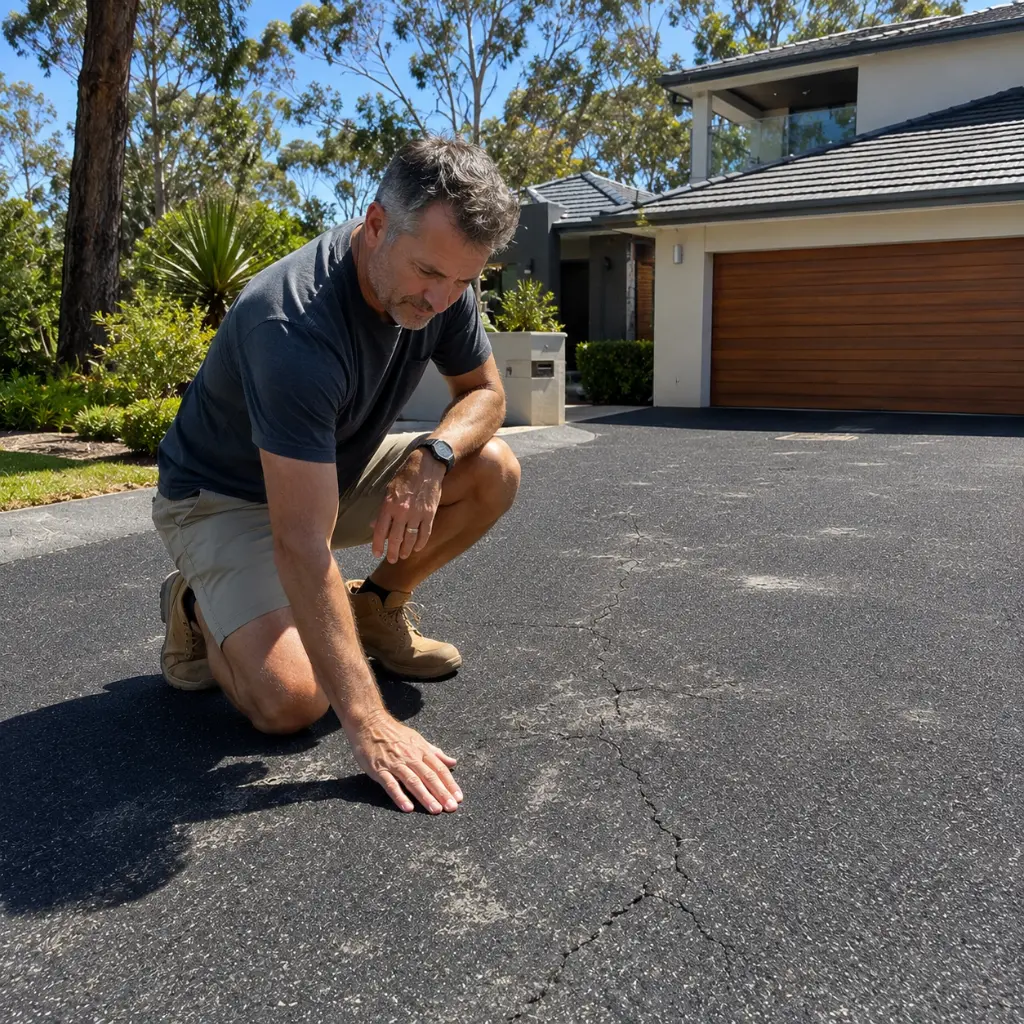
The driveway itself often signals when resealing is due. Watching for these indicators helps owners act before larger problems develop:
- A rough or gritty texture underfoot
- Loss of the deep black finish across exposed sections
- Hairline cracks are beginning to spread
- Increased visibility of aggregate at the surface
- Water no longer beading on the pavement after rain
When more than one of these signs appears together, the surface is usually ready for treatment. For a clear assessment, the team at RC Civil OZ can review surface conditions and confirm whether resealing is the right next step.
What Happens If You Do Not Reseal
Skipping reseal cycles allows the surface to harden, dry and become brittle. Once that stage is reached, sealing alone may no longer be enough to restore performance. The progression typically follows the pattern below.
| Stage | Surface Condition | Typical Response |
| Early ageing | Minor fading and texture change | Routine reseal |
| Mid stage wear | Hairline cracks and porous patches | Reseal with crack filling |
| Advanced wear | Widespread cracks and surface loss | Structural repair before sealing |
| Late stage | Base failure and deep deterioration | Resurfacing or replacement |
Acting at the early stage is far more cost effective than waiting until structural repair becomes the only option. When a surface reaches late-stage deterioration, asphalt driveway removal may become the only practical solution before a new surface can be installed.
How the Resealing Process Works
A professional reseal follows a clear process to ensure even coverage and lasting performance. The general flow includes:
- Inspecting the pavement for cracks, depressions and contamination
- Cleaning the surface to remove dust, debris and loose material
- Filling cracks and treating oil affected areas
- Applying the sealer evenly across the driveway
- Allowing appropriate drying and curing time before reopening
Each step contributes to the strength of the finished result. Skipping or rushing any stage reduces how long the new seal will hold.
Can You Reseal Too Often
Resealing too frequently is not always beneficial. Excess layers can build up over time, leading to a thicker coating that may flake or peel under heat and load. Quality matters more than frequency, and a properly applied seal will outlast several rushed applications. Working with experienced asphalt paving contractors helps avoid this kind of overtreatment.
Best Time of Year to Reseal
The time of year also influences how well the seal performs. Mild, dry weather supports proper curing and bonding, while cold, wet or extreme heat can interfere with how the product sets. Many property owners plan resealing for stable seasons when temperatures stay consistent, and rain is unlikely during the curing window.
Planning a Long-Term Resealing Schedule
A well planned schedule supports the long term value of the pavement and reduces the chance of major repair work later. Useful planning steps include:
- Recording the date of each reseal
- Noting any repairs carried out between treatments
- Tracking surface changes after seasonal extremes
- Scheduling professional reviews at consistent intervals
If you would like help building a resealing schedule tailored to your property, the team at RC Civil OZ can review your surface and outline a practical plan suited to your site and usage patterns.
Conclusion
A reseal is most effective when it is matched to the real condition of the pavement rather than a fixed timeline. Reading the surface, factoring in traffic, exposure, and recent repairs gives a far more accurate sense of when treatment is due. With informed timing and quality workmanship, the value of the driveway holds strong over the long term. To plan your next reseal with confidence, reach out to RC Civil OZ for a professional surface review.
Leave Your Comment