
- 0 Comments
- 47 Likes
Introduction
A black asphalt driveway holds its strength and appearance best when supported by a care routine suited to the climate it sits in. Hot climate driveway maintenance differs from general upkeep because warmer conditions change how the surface behaves throughout the day. Without the right approach, even a well laid driveway can soften under load, lose flexibility and develop early surface issues. This guide offers practical asphalt driveway maintenance steps tailored to warm conditions, helping owners of residential, commercial and industrial driveways get the most from their pavement.
How Heat Changes the Way Asphalt Behaves
Black asphalt absorbs more solar radiation than lighter pavement surfaces, so temperatures on the driveway can climb well above the surrounding air. As the surface heats up, the bitumen binder becomes softer and more responsive to pressure. Heavy vehicles, sharp turning movements and concentrated point loads can leave marks during these warmer windows. Recognising this daily cycle is the foundation of any effective hot climate maintenance plan.
Building a Hot Climate Maintenance Routine
A steady routine extends driveway lifespan and reduces the chance of unexpected repairs. The following steps are tailored specifically to warm weather conditions rather than general year round care.
Routine Cleaning for Surface Integrity
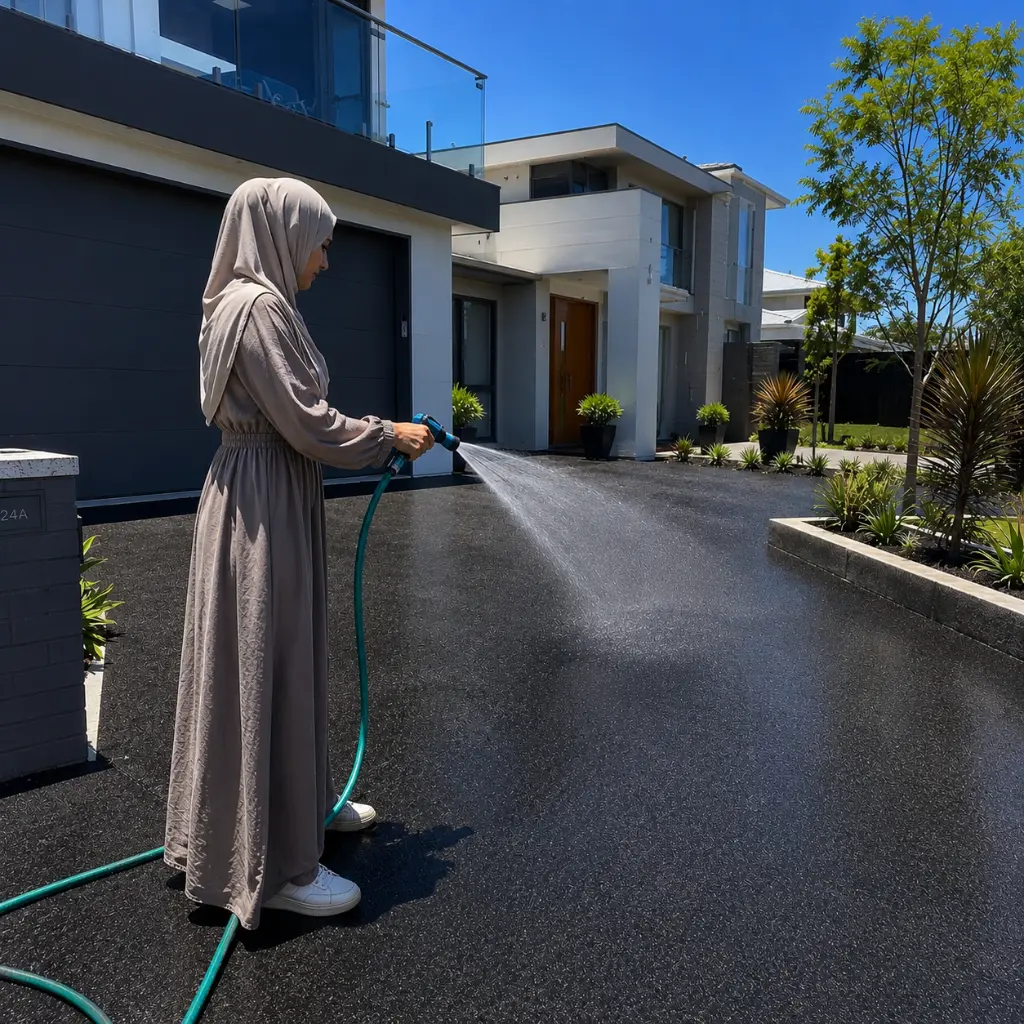
Regular cleaning is the simplest form of protection. Dust, grit and organic debris trap moisture against the surface and accelerate drying when temperatures rise. A quick sweep every couple of weeks, combined with occasional rinsing during cooler hours of the day, keeps the driveway looking sharp and limits grit related abrasion from vehicle tyres.
Managing Oil and Chemical Stains
Warm pavement reacts faster with chemical contaminants. Oil drips, coolant leaks and fuel spills sink deeper into the surface when the binder is soft. Acting quickly limits damage and protects the underlying structure. Useful steps include:
- Blotting fresh spills before they spread
- Applying a degreaser suited to asphalt surfaces
- Rinse the area thoroughly once treated
- Monitoring regular parking spots for ongoing leaks
Timing Heavy Use Carefully
Asphalt is at its strongest during the cooler parts of the day. Under extreme heat, even normal loads can leave subtle impressions. Sensible adjustments include:
- Parking heavier vehicles in the early morning or evening
- Avoiding stationary jacks, stands or trailer legs on hot pavement
- Spreading load points with timber boards where needed
- Keeping caravans and boats off the driveway during peak temperatures
These habits reduce the risk of indentations and recurring stress points across the surface.
Protecting Driveway Edges
The perimeter of the driveway carries less structural support than the central area, which leaves it exposed during warmer months. Soft soil along the boundary can shift, allowing edges to crumble under turning vehicles. Reinforcing this zone with compacted material, garden edging, or low maintenance landscaping helps stabilise the perimeter and supports overall driveway performance.
Managing Water and Drainage
Even in hot regions, summer storms, irrigation systems and routine washing introduce water to driveway surfaces. Water that sits in place softens asphalt from below and contributes to gradual surface weakening. Property owners can protect their driveways by:
- Redirecting sprinklers away from the pavement
- Clearing debris from natural runoff paths
- Checking for low spots after rainfall
- Ensuring nearby downpipes do not discharge onto the surface
The Role of Sealcoating in Warm Regions
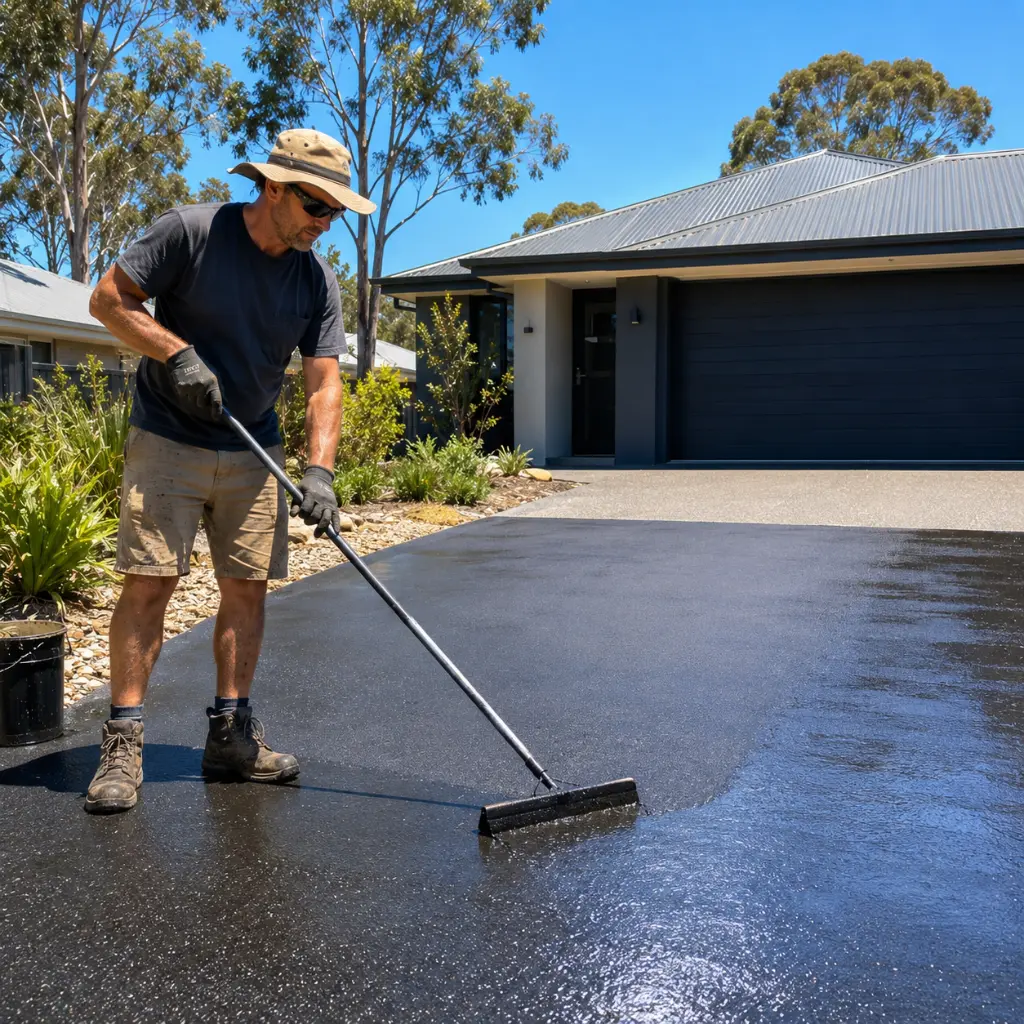
Sealcoating is particularly valuable in warmer regions because it adds a protective layer between the binder and direct sunlight. This film slows surface drying, supports flexibility and helps maintain the rich black finish that defines a well kept driveway. Understanding why asphalt driveways fade helps property owners make more informed decisions about when sealcoating is genuinely needed. The best results come from application during stable warm weather when humidity is low, and the surface is clean. A well timed sealcoat is one of the most effective ways to preserve the look and feel of the pavement.
When to Schedule Asphalt Maintenance
A common question from property owners is how often maintenance on asphalt driveway surfaces should be carried out. While conditions vary from site to site, the table below offers a general guide for driveways in warm climates. For a more detailed look at asphalt driveway resealing frequency and the factors that can affect timing, it is worth reviewing the full resealing guide.
| Maintenance Task | Suggested Frequency |
| Surface cleaning | Every few weeks |
| Visual inspection | Each season |
| Crack review and minor repairs | At least once per year |
| Sealcoating review | Periodically, based on surface condition |
| Professional pavement assessment | Annually or after extreme weather |
For timing tailored to your traffic load and surface condition, it is worth speaking with the team at RC Civil OZ. A short inspection can confirm whether your driveway is ready for sealcoating, targeted repair or continued monitoring.

Cracks Behave Differently in Warm Weather
Small surface cracks respond differently in warmer climates. As temperatures rise and fall through the day, the surface expands and contracts, placing pressure on weaker points. A crack that looks minor in the morning may widen noticeably by the afternoon. Walking the driveway after particularly hot days helps identify movement early, giving owners time to seal the area before cooler nights allow moisture to enter.
Avoiding Common Hot Climate Mistakes
Many driveway issues develop from small habits that go unnoticed. Property owners can help prolong pavement lifespan by avoiding the following issues:
- Parking in the same spot every day during peak heat
- Allowing garden hoses to leak onto the surface for long periods
- Ignoring small depressions that gather water
- Delaying repairs because the damage looks purely cosmetic
- Using harsh solvents that strip the surface finish
Each of these habits gradually shortens driveway lifespan, particularly when warm weather is the dominant condition throughout the year.
Working With Experienced Asphalt Professionals
Maintenance is most effective when supported by skilled workmanship. Professional inspections often pick up early signs of stress that property owners miss. A trained eye identifies subtle changes in surface texture, edge condition and drainage performance that indicate when sealcoating, resurfacing or targeted repair is required.
If you are unsure about the condition of your driveway or want guidance on a suitable maintenance plan for hot conditions, the team at RC Civil OZ can assess the surface and recommend practical next steps. Acting early protects your investment and keeps the driveway looking sharp.
Conclusion
Hot climates place ongoing pressure on driveway surfaces, but the right routine keeps that pressure manageable. Timing heavy use during cooler hours, watching for spills, reinforcing the edges and staying alert to surface movement after hot days all play a part in protecting black asphalt. With a steady seasonal rhythm in place, owners can extend driveway performance well beyond what neglect would allow. For a tailored maintenance plan suited to your property and local conditions, reach out to the team at RC Civil OZ.
Leave Your Comment