
- 0 Comments
- 48 Likes
Introduction
Two driveways can be built with the same asphalt and still age very differently. One may stay firm for years, while another starts to crack, dip or shift far too early. In many Queensland locations, the difference is not only the surface material. It is the soil beneath it. Local ground conditions have a direct effect on asphalt driveway lifespan, especially where moisture, heat and soil movement are part of everyday conditions. If you are considering professional asphalt driveway construction, understanding how Queensland soils affect pavement performance can help you make better long-term decisions. This guide explains how different Queensland soil conditions influence driveway durability, the types of damage they can cause, and the construction practices that help protect long-term pavement performance.
Asphalt Driveway Foundation
An asphalt driveway relies on a layered structure. Beneath the surface sits a compacted base course, often made from crushed rock or road base. Below that is the subgrade, which is the natural soil on your property. These layers carry vehicle loads and give the flexible pavement above the support it needs.
A firm, well-compacted base allows the asphalt to move slightly under traffic and recover. If the lower layers soften, shift or settle, the surface follows that movement. Cracks, rutting, low spots and uneven edges are often the visible signs of problems that started below the driveway.
Queensland Soil Types That Shape Driveway Life
Queensland soil conditions vary from coastal sands to reactive inland clays. Each soil type behaves differently once it carries a driveway, so understanding the site is an important part of building a surface that lasts.
Reactive Clay Soils
Reactive clay is found across many parts of Queensland. Its main issue is movement. It swells as moisture increases and shrinks as it dries out, lifting and lowering the pavement structure through seasonal changes. That movement places ongoing stress on the asphalt above and can lead to early cracking, edge movement and uneven settlement if the driveway has not been designed for it.
Sandy Coastal Soils
Many coastal properties around Noosa, the Sunshine Coast and nearby areas sit on sandy ground. Sand often drains quickly, but it can also shift or wash away during heavy rain if it is not contained properly. A driveway over sandy soil needs a stable, well-compacted base and good edge support so the asphalt does not lose support beneath traffic.
Black Cracking Clays
Further inland, black cracking clays can be more demanding. These soils may open into deep cracks during dry periods and close again after rain. That movement can be severe enough to affect the pavement structure above. On these sites, the preparation stage needs careful subgrade evaluation, base design and drainage planning before asphalt is installed.
How Soil Movement Damages Asphalt
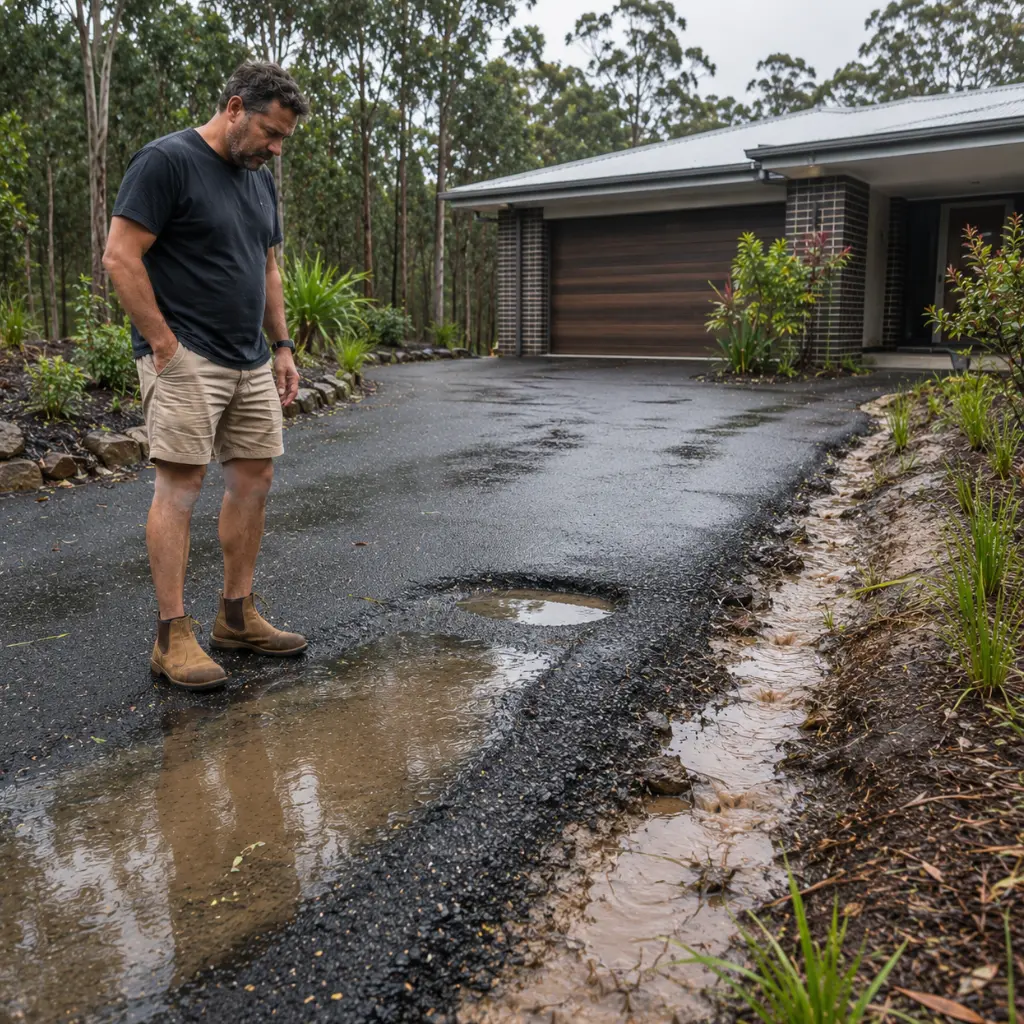
Soil-related driveway damage usually starts slowly. A small dip, a hairline crack or a slightly raised section may not look serious at first. The real concern is what those signs indicate: movement within the support layers beneath the pavement.
As the soil shifts through wet and dry cycles, the base can lose even support. The asphalt then has to bridge weak spots, settle into low areas or flex more than it should. Repeated movement can lead to wider cracking, water entry, potholes and structural weakness. As the damage progresses, these cracks can develop into alligator cracking, a recognised sign that the pavement structure is no longer being supported evenly by the layers beneath. Once the lower layers become unstable, surface-only repairs are unlikely to last because the underlying cause has not been addressed.
How Queensland Climate Affects Asphalt
Queensland’s climate keeps soil movement active. Heavy rainfall can saturate the underlying soil and weaken support where drainage is inadequate. Dry spells then pull moisture out of reactive soils, causing shrinkage and renewed movement below the driveway.
The asphalt surface also deals with strong sun, heat and UV exposure. These conditions can harden the binder and reduce flexibility with age. A brittle surface over moving soil is more likely to crack, which is why driveway design in Queensland needs to consider both site drainage and local ground behaviour.
Preparing Soil for Asphalt
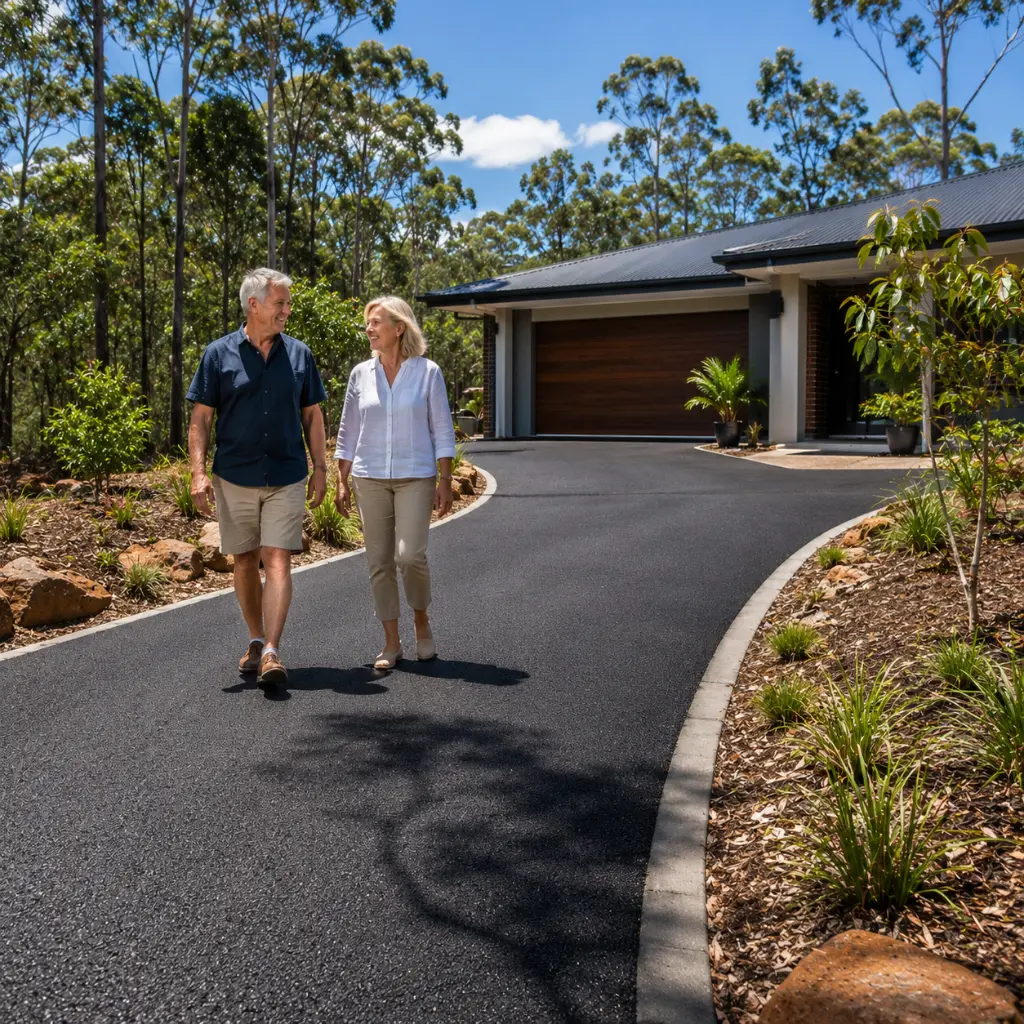
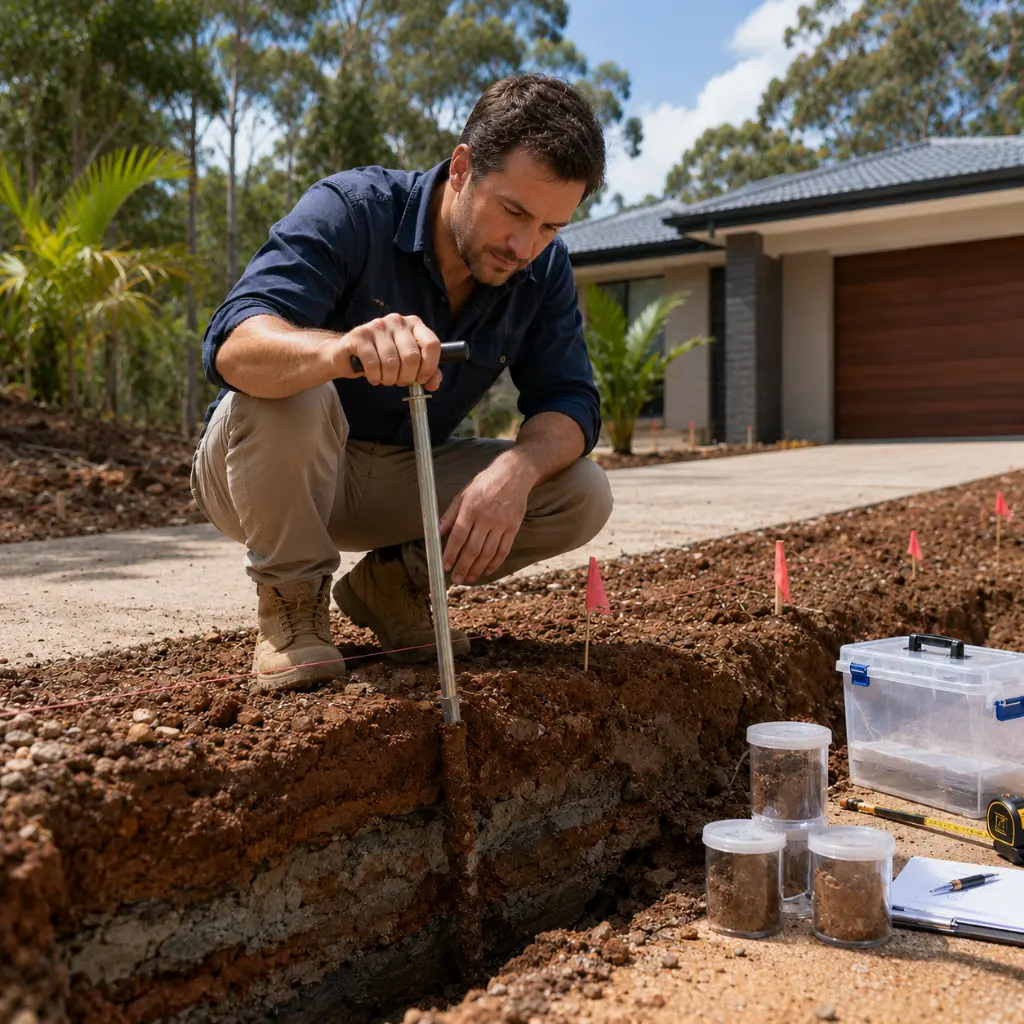
Preparation before asphalt installation has the greatest influence on long-term driveway performance. Good preparation starts with assessing the soil and understanding how the site handles water. From there, the subgrade can be shaped, stabilised where needed and compacted to provide a more reliable platform.
A suitable crushed rock or road base layer should then be installed and compacted evenly. The surface also needs correct falls so rainwater moves away instead of pooling near the driveway or soaking into the edges. On reactive or sandy sites, edge support and drainage paths are especially important because small weaknesses can grow quickly during wet weather.
RC Civil OZ can assess your site’s ground conditions and recommend a driveway design that matches the specific requirements of the location.
Maintenance for Longer Driveway Lifespan
Soil-aware maintenance is about watching how the driveway behaves after weather changes. After heavy rain, look for water pooling, soft edges, new dips or cracks that widen near the same area. During dry periods, check for movement along the edges or sections that appear to have settled.
Small cracks should be sealed before water reaches the base, but the pattern of cracking also matters. Repeated cracks in the same area may point to ongoing subgrade movement rather than simple surface wear. Drainage channels, gutters and nearby ground levels should be kept clear so water does not sit against the pavement after storms.
Resurfacing can help when the top layer is worn and the base remains stable. On active soils, though, resurfacing should only follow a proper inspection. If movement underneath is continuing, a new surface may crack again.
Repair or Rebuild Your Asphalt Driveway
The repair decision depends on whether the subgrade is still stable. Localised cracks, shallow wear or minor edge damage may suit crack sealing, patching or resurfacing if the base below is firm.
Widespread movement tells a different story. Repeated sinking, broad cracking, recurring potholes or major depressions often suggest that the soil and base are no longer supporting the asphalt evenly. In those cases, surface repairs may only provide a short-term improvement.
Where soil movement has affected the structure, full-depth reconstruction may be the better long-term option. This allows failed material to be removed, the subgrade to be corrected, and the pavement rebuilt with a stronger base and drainage approach.
Conclusion
In Queensland, the lifespan of an asphalt driveway depends on more than the asphalt mix. Reactive clays, sandy coastal soils and black cracking clays all influence how a driveway performs under traffic, heat and rain. The best results come from matching construction to the soil type, preparing the base properly, controlling water and monitoring movement before small issues grow. Whether you are planning a new driveway, considering repairs or trying to extend the life of an existing surface, RC Civil OZ can help you make the right decision for the ground you are building on.
Leave Your Comment