
- 0 Comments
- 49 Likes
Introduction
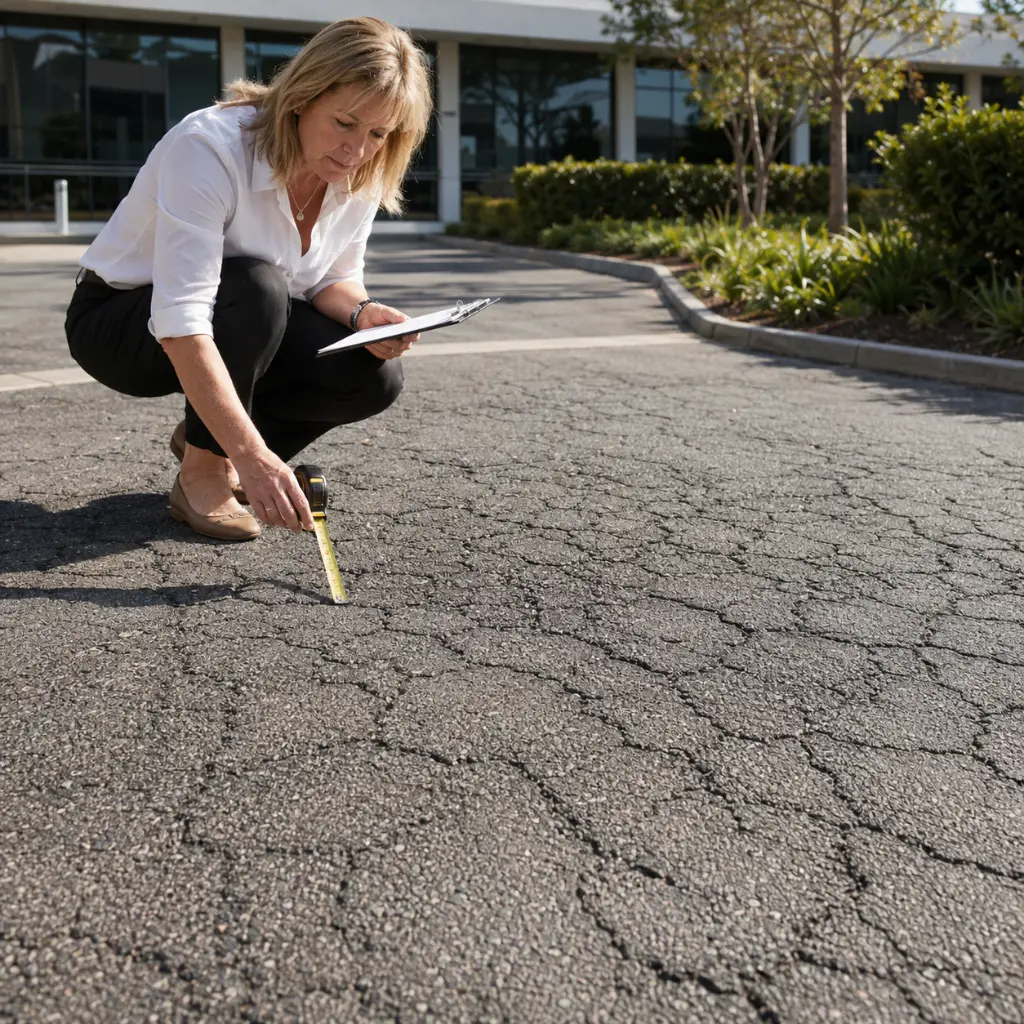
A spread of small, interlocking cracks across a driveway, car park or industrial yard is rarely just cosmetic. Known as alligator cracking asphalt, this pattern usually points to stress within the pavement structure rather than simple surface wear. If left untreated, it can develop into potholes, loose edges and wider pavement failure. Whether you are maintaining an existing surface or planning a new asphalt driveway, understanding these warning signs can help you avoid more extensive repairs later. This guide explains what the pattern means, why it forms, how to recognise it early and which repair methods offer lasting value.
Understanding Alligator Cracking Asphalt and Fatigue Cracking
Alligator cracking gets its name from the tight, block-like pattern that resembles reptile skin. In pavement terms, it is commonly known as fatigue cracking. The name matters because it points to the real issue: the asphalt has flexed repeatedly under load until the surface can no longer hold together.
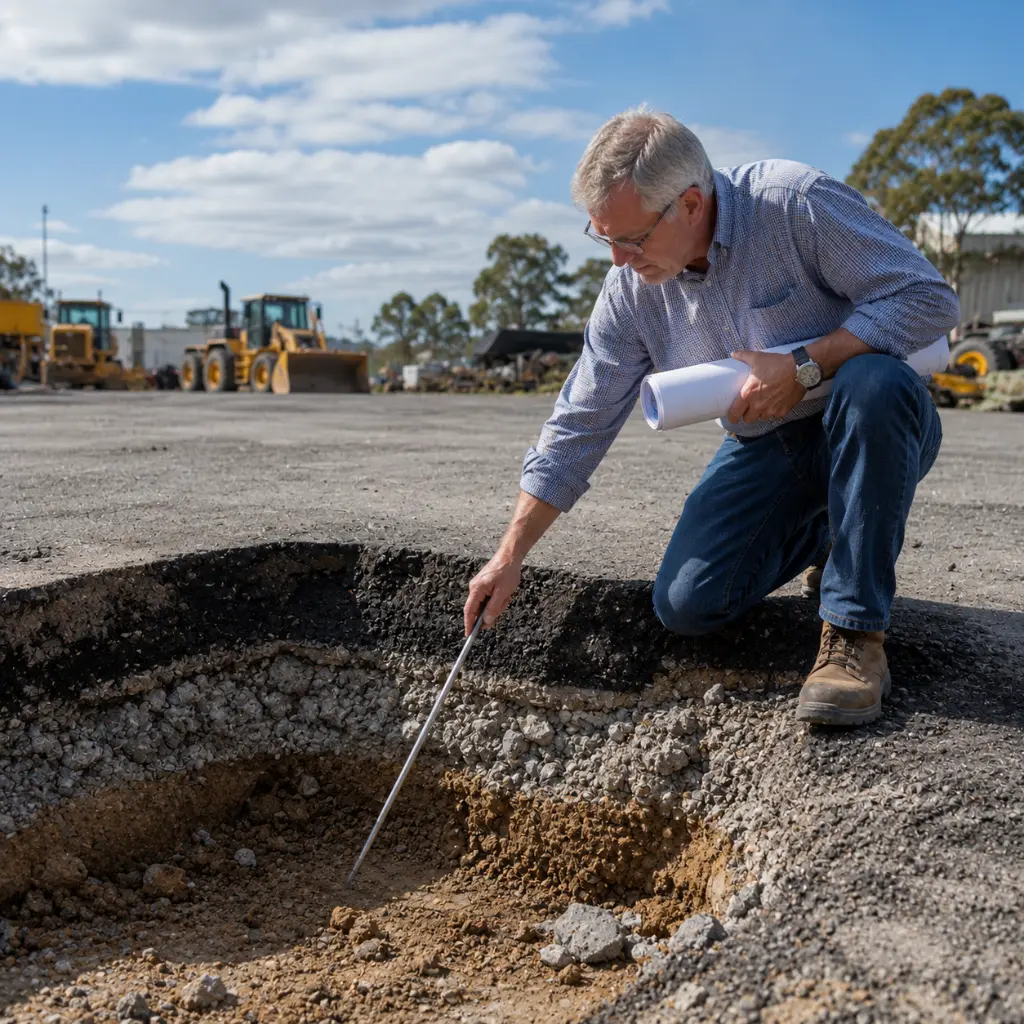
Unlike isolated surface cracks, fatigue cracking often indicates weakness in the base, sub-base or subgrade. The visible cracking is only the symptom, but the cause may sit deeper. That is why sealing the visible cracks alone rarely solves the problem once the supporting layers have started to fail.
What Causes Alligator Cracking in Asphalt
This type of cracking rarely comes from one issue alone. It usually develops when load, moisture, age or construction quality places repeated stress on the pavement. Understanding what causes alligator cracking in asphalt helps ensure the repair deals with the reason for failure, not just the surface pattern.
Weak or Poorly Prepared Asphalt Base
The strength of an asphalt surface depends heavily on what sits beneath it. If the subgrade is poorly compacted, the base course is too thin, or the pavement has uneven support, each vehicle pass can make the surface flex more than it should. That repeated movement eventually shows fatigue cracking. For driveways, car parks and hardstands, correct excavation, base depth and compaction are critical from the start.
Water and Drainage Problems in Asphalt Pavements
Even a well-built pavement can fail early if water reaches the lower layers. Rainwater that pools on the surface, enters small cracks or sits against pavement edges can weaken the base below. Warning signs include standing water after rain, blocked drains, soft edges and poor surface falls. Once support is lost, the asphalt has less resistance to traffic loads and begins to break apart.
Repeated Heavy Traffic and Vehicle Loading
A driveway designed for light vehicles will not perform like an industrial hardstand. Heavy vehicles, repeated axle loads, turning movements and loading areas all place concentrated pressure on the pavement. If the asphalt thickness and base strength do not match the expected traffic, fatigue cracking can appear earlier than expected, even when the surface looked sound at installation.
Asphalt Ageing and Oxidation
Asphalt relies on a binder to remain flexible. Sunlight, heat and oxidation gradually harden that binder, making the pavement more brittle. Ageing alone does not always cause alligator cracking, but it reduces the surface’s ability to tolerate movement. Older asphalt is therefore more likely to crack when combined with heavy loading, water entry or base movement. Left untreated, these conditions can significantly reduce asphalt driveway lifespan by allowing structural damage to develop much sooner than expected.
Poor Asphalt Installation and Mix Quality
Some pavement problems begin during construction. Thin asphalt layers, poor compaction, unsuitable mix selection or low-quality materials may not cause instant failure, but they reduce the pavement’s ability to carry traffic long term. On commercial and civil sites, where loads are higher and use is more frequent, small construction shortcuts can lead to early cracking, rutting or surface breakup.
How Australian Conditions Accelerate Alligator Cracking
Australian conditions can speed up fatigue cracking when the pavement is already under stress. Long periods of heat and strong UV exposure harden the binder, while sudden heavy rain tests the drainage and pavement edges. In some locations, ground movement adds further pressure from below. These factors make site-specific pavement design and experienced installation especially important.
How to Spot Early Signs of Alligator Cracking
Early alligator cracking often appears as fine hairline cracks that begin to connect in a loose web. As the pavement weakens, the pattern becomes tighter, edges may lift, and loose stone can appear. Advanced damage leads to broken sections, potholes and unstable surface areas.
The key is to act before the cracking becomes widespread. If web-like cracking appears on a driveway, car park or hardstand, a professional inspection can determine whether the issue is still shallow or whether the supporting layers are failing. RC Civil OZ can assess the pavement condition and recommend the most suitable repair approach.
Repair Options for Alligator Cracking in Asphalt
The right asphalt alligator crack repair depends on severity. A sound repair starts with identifying whether the damage is limited to the surface or whether the pavement structure has failed. Covering fatigue cracking without checking the base may only hide the problem for a short time.
Crack Sealing and Filling
Crack sealing and filling are only appropriate where cracking has not yet developed into true structural fatigue. Once the interconnected cracking pattern appears, the underlying pavement should be assessed before any sealing work is carried out.
Full Depth Patching
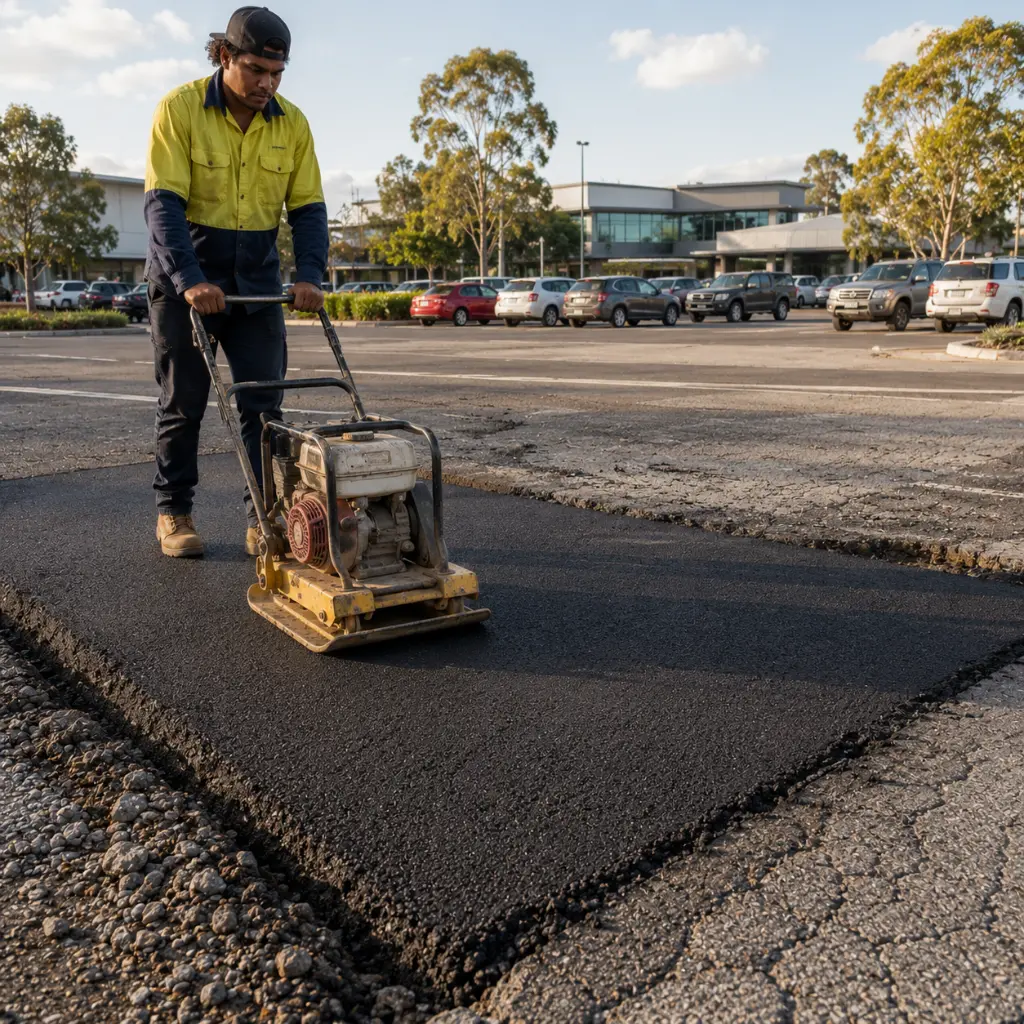
For a contained failed section, full depth patching is often the better option. The damaged asphalt and weakened base material are removed, the area is rebuilt, and new asphalt is compacted into place. This restores support to the affected section rather than simply covering the cracks.
Resurfacing and Overlay
Resurfacing or an asphalt overlay may suit larger worn areas where the base remains stable. It provides a fresh wearing layer and improves surface condition. However, if fatigue cracking is already caused by base failure, the cracks can reflect through the new layer, so assessment must come first.
Full Reconstruction
Where cracking is widespread and the supporting layers have failed, full reconstruction is usually the most reliable solution. The pavement is removed and rebuilt from the foundation up. It costs more upfront, but it avoids repeated patching on a pavement that no longer has adequate structural strength.
| Severity | Suitable repair |
| Early, scattered cracks | Crack sealing and filling |
| Contained failed section | Full depth patching |
| Broad surface wear, sound base | Resurfacing or overlay |
| Widespread base failure | Full reconstruction |
Preventing Alligator Cracking Long Term
Reducing the risk of fatigue cracking starts with matching the pavement design to the site. A car park, driveway, access road and industrial yard all carry different loads, so base depth, asphalt thickness and compaction should suit the expected use.
Water control is equally important. Surface falls, edge drainage, and clear channels help keep moisture away from the base. Early crack sealing also matters, not as a cure for structural failure, but as a way to stop small openings from letting water in.
For areas carrying heavier vehicles, prevention may involve stronger pavement design, reinforced base preparation or thicker asphalt layers. Planned inspections help identify stress before the surface breaks apart. RC Civil OZ can help assess existing pavements and recommend practical steps to reduce the chance of fatigue cracking returning.
Conclusion
Alligator cracking is a warning that the pavement may be losing strength beneath the asphalt layer. By understanding the causes, recognising early signs and choosing a repair method that matches the severity, property owners can avoid unnecessary patching and protect long-term pavement performance. For inspections, repairs or prevention advice, RC Civil OZ can help keep your asphalt surfaces strong, safe and serviceable.
Leave Your Comment