
- 0 Comments
- 63 Likes
Introduction
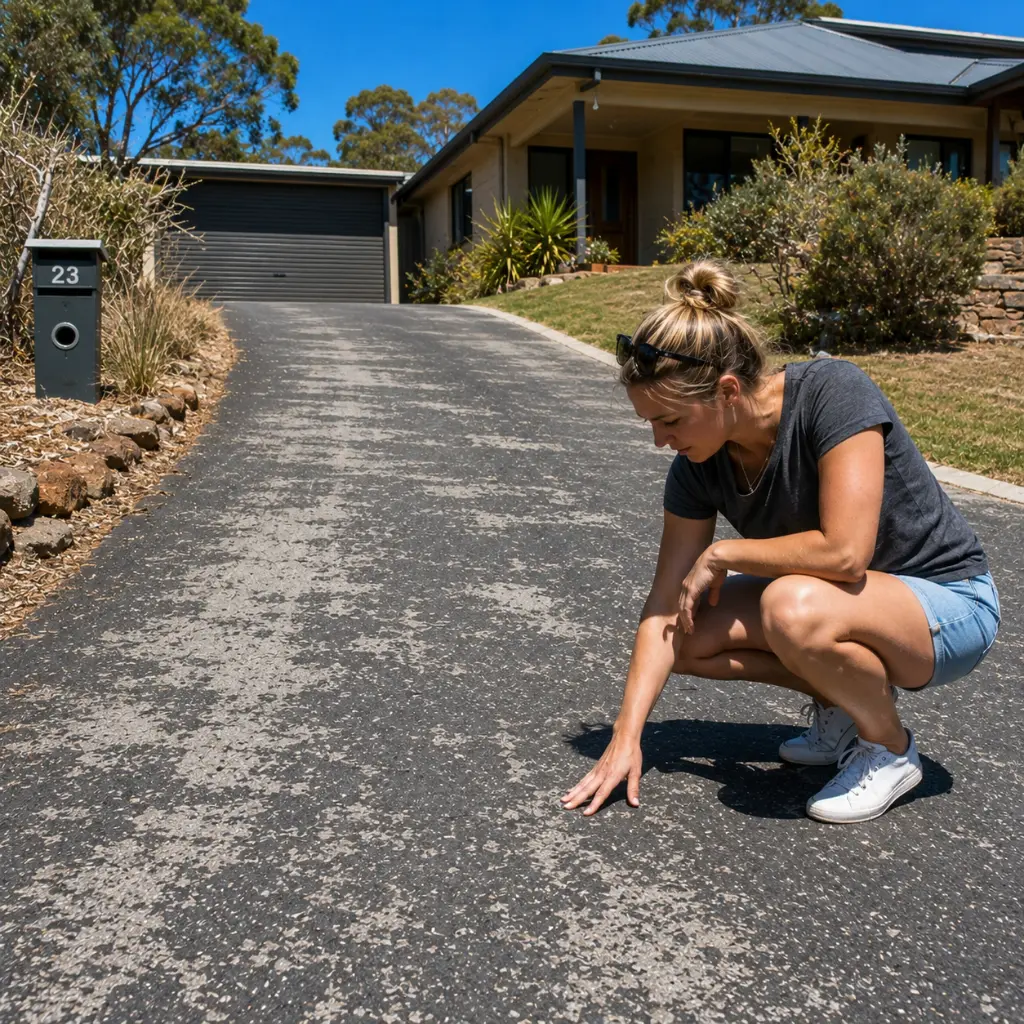
A faded asphalt driveway is often the first visible sign that a surface is losing its protective qualities. Driveway fading occurs at very different rates from one property to the next, shaped by installation quality, environmental exposure and the level of ongoing care. Some surfaces hold a deep black finish for years, while others turn dull and grey within a short period. Understanding why asphalt driveways fade helps property owners make better decisions around maintenance, timing and long term value. This guide explains the practical reasons behind faded asphalt driveway concerns across residential and commercial properties.
How Asphalt Is Designed to Perform
Asphalt is a flexible pavement made from aggregate held together by bitumen binder. The binder gives the surface its dark colour, waterproofing ability and structural strength. While the binder remains intact, the driveway stays sealed, smooth and visually consistent. Exposure to weather, traffic and chemicals slowly breaks the binder down, and this gradual process sits at the heart of every form of asphalt driveway deterioration.
The Main Causes of Asphalt Driveway Fading
Driveway fading rarely comes from a single source. It usually reflects a combination of environmental, structural and maintenance factors working together. Recognising these influences early helps property owners and facility managers act before fading is joined by cracking, brittleness or surface erosion.
UV Exposure and Asphalt Oxidation
Sunlight is the leading reason asphalt surfaces lose their colour. Ultraviolet rays trigger asphalt oxidation, which slowly dries the bitumen binder. As oxidation progresses, the surface shifts from rich black to a pale grey. UV damage also reduces flexibility, producing brittle areas that are far more likely to crack. Driveways in full sun fade noticeably faster than those with partial shade.
Heat and Temperature Fluctuations
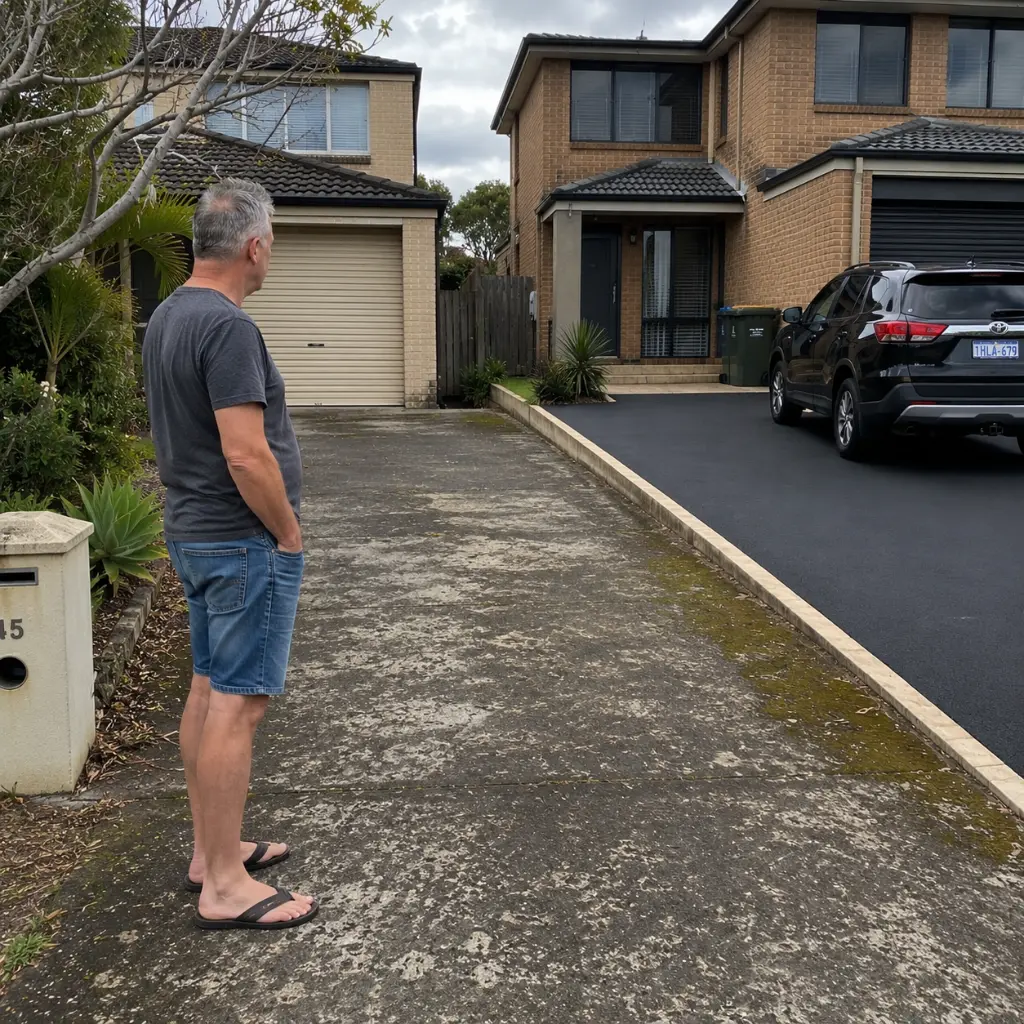
Constant heat accelerates surface drying. Thermal expansion and contraction place ongoing stress on the binder, weakening its hold on the aggregate. In warmer climates, asphalt softening during the day followed by cooling overnight creates a cycle that wears the surface from within. Over time, this seasonal stress contributes heavily to asphalt ageing and visible colour loss. For driveways in warmer regions, following a structured asphalt driveway care routine for hot conditions makes a measurable difference to how long the surface holds its colour and structure.
Moisture Intrusion and Drainage Issues
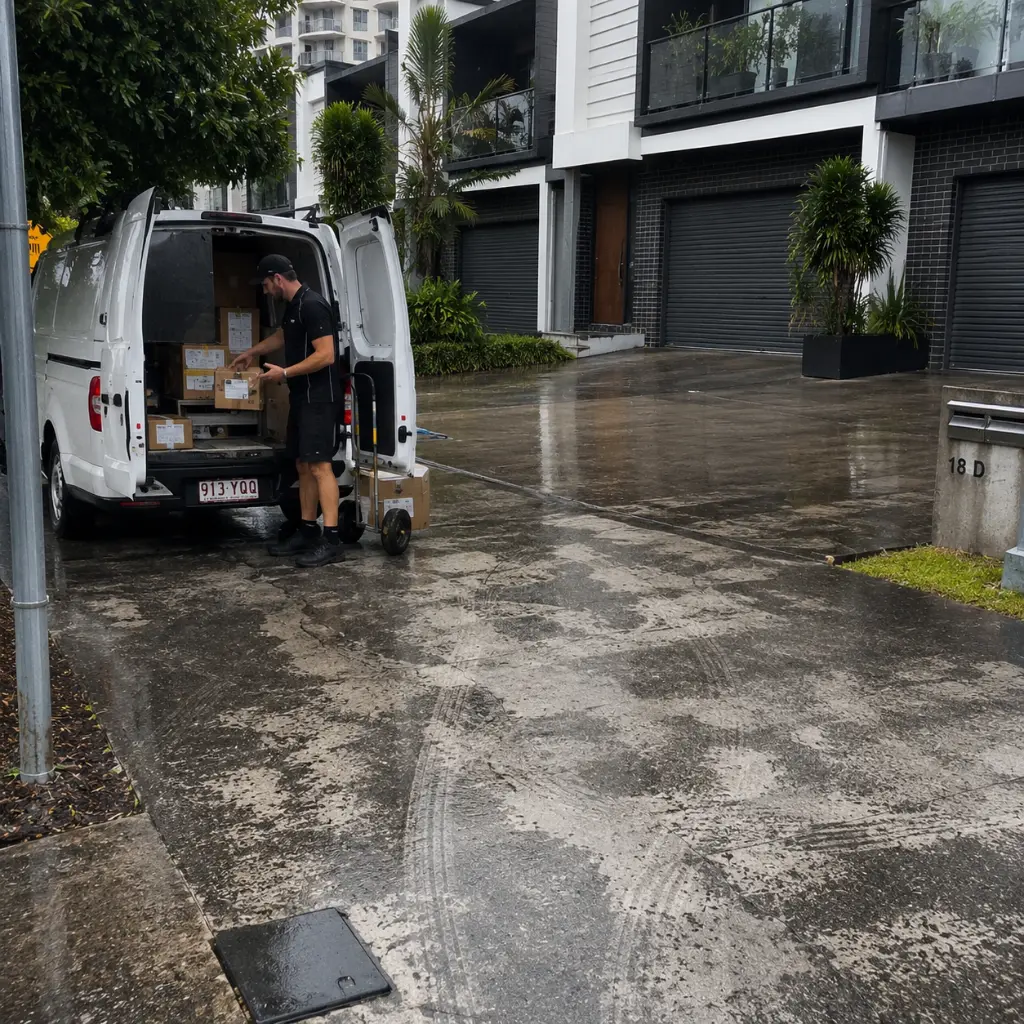
Water is a quiet but powerful contributor to surface fading. Moisture seeps through fine cracks and porous areas, washing away the surface fines and weakening the binder beneath. Poor drainage and surface water pooling extend the damage by allowing water to sit for long periods. The result is a washed out appearance, edge erosion and reduced structural integrity.
Traffic Load and Daily Wear
Vehicle movement gradually reshapes the appearance of any driveway. Repeated loads polish the surface, lighten wheel paths and weaken edges. Common wear patterns include:
- Smooth, lighter patches along regular driving lines
- Rutting where heavier vehicles travel
- Edge breakdown at driveway boundaries
- Localised depressions or sinking in weaker sections
These worn areas often look faded because the protective fines have been stripped away.
Poor Installation and Base Preparation
A driveway is only as strong as the foundation beneath it. Inadequate base compaction, insufficient thickness and weak structural support all lead to early failure. When base layer preparation is rushed, the surface flexes more than it should, producing stress cracks, uneven sections and patchy discolouration. Quality installation by experienced asphalt paving contractors prevents most of these long term issues.
Low Quality Asphalt Mix
The mix used during installation directly affects asphalt durability. A low quality blend may contain incorrect aggregate sizes, insufficient binder or poor compaction characteristics. Surfaces laid with inferior mixes fade quickly, lose flexibility and break down under normal use. A well designed mix holds its colour and structural performance for considerably longer.
Chemical Spills and Surface Contaminants
Oil, fuel, hydraulic fluids and similar substances dissolve the bitumen binder on contact. Affected areas appear lighter, softer and more porous than the surrounding pavement. On residential driveways and commercial car parks, regular cleaning of spills helps reduce permanent staining and slows the loss of binder in those zones.
Plant Roots and Surrounding Vegetation
Nearby trees and shrubs affect driveway appearance in two ways. Roots lift and split the pavement from below, while overhanging branches drop sap, leaves and debris that stain the surface. Driveways surrounded by heavy vegetation often show patchy fading and uneven texture.
Lack of Preventive Maintenance
Surfaces that never receive crack filling, sealcoating or routine inspection fade faster and develop structural problems sooner. Preventative care protects the binder, slows oxidation and preserves a smooth, consistent finish. Without it, even a well installed driveway will show its age earlier than expected.
How to Restore a Faded Asphalt Driveway
The right restoration approach depends on the current condition of the surface. Driveways that remain structurally sound can often be brought back to life with sealcoating, while those showing more serious damage may need resurfacing or full replacement.
| Driveway Condition | Recommended Solution |
| Faded but structurally sound | Sealcoating and minor crack filling |
| Surface cracks with stable base | Crack repair followed by resurfacing |
| Rutting, depressions or sinking | Structural repairs and resurfacing |
| Significant structural deterioration | Full driveway replacement |
A professional inspection is the best way to confirm the right path forward. If you are noticing fading, cracking or drainage problems around your property, it may be worth contacting RC Civil OZ for an assessment before minor surface issues develop into costly repair work.
Extending the Life of Your Asphalt Driveway
Long lasting driveways come from quality installation paired with consistent care. The most effective habits include:
- Scheduling regular surface inspections
- Cleaning oil and chemical spills promptly
- Maintaining clear drainage and removing pooled water
- Applying sealcoating at appropriate intervals
- Repairing small cracks before water can intrude
- Avoiding heavy static loads on residential surfaces
Together, these steps protect your investment, preserve appearance and reduce the likelihood of major repairs down the track.
Conclusion
Asphalt driveway fading reflects a mix of sunlight exposure, weather, traffic patterns, installation quality and ongoing maintenance. Some surfaces simply face harsher conditions or were laid without proper preparation, which explains the difference in performance between neighbouring properties. With timely care and professional support, both appearance and structural integrity can be preserved for many years. For practical advice on restoring a faded asphalt driveway or planning future maintenance, the team at RC Civil OZ is ready to help.
Leave Your Comment