
- 0 Comments
- 44 Likes
Introduction
An asphalt driveway rarely fails all at once. It gives warning signs first, and how you respond to those signs determines whether you spend on a targeted fix or a full reconstruction. The mistake most property owners make is treating resurfacing and replacement as interchangeable options separated only by cost. They are not. One works with what is already there. The other starts again because what is already there cannot support a new surface. Getting that distinction right before any work begins is what separates a sound investment from one that needs revisiting within a few years.
What Is Driveway Resurfacing and When Does It Work?
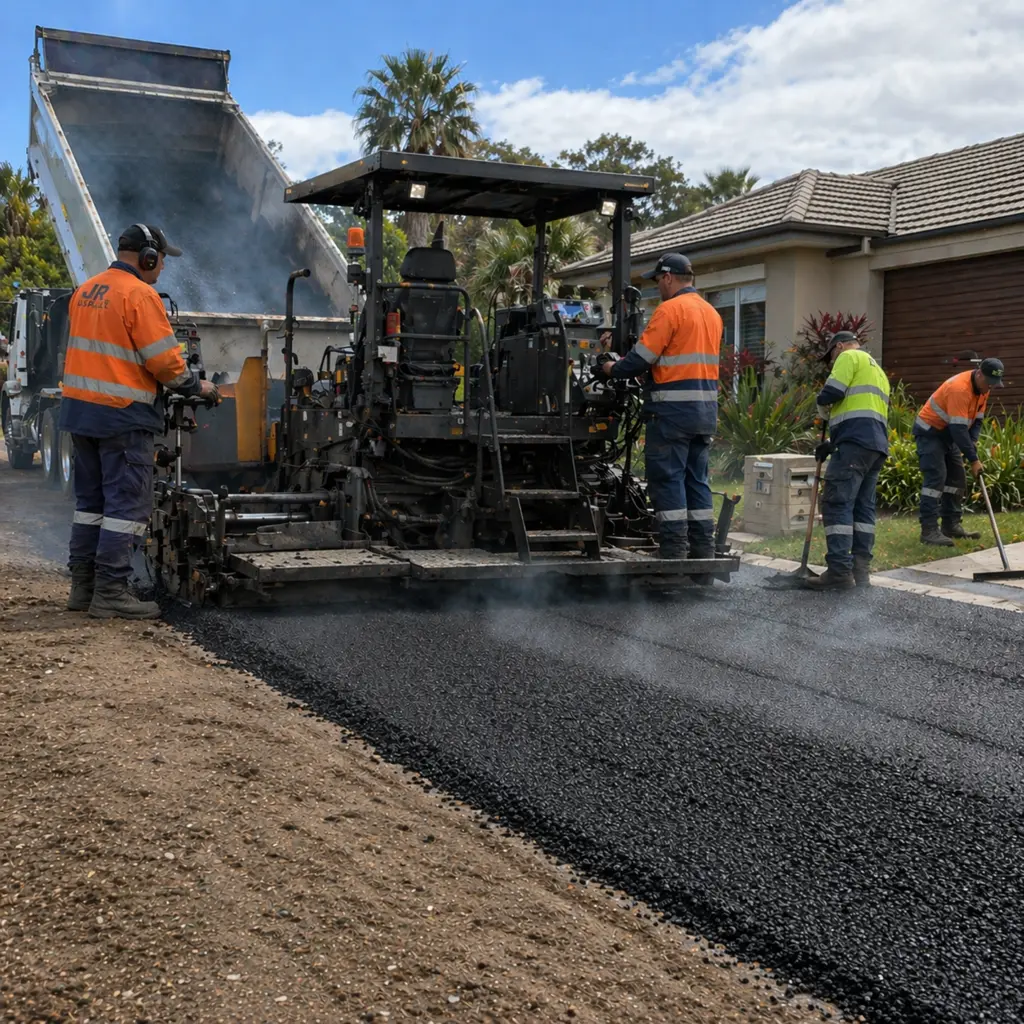
Resurfacing, sometimes called an overlay, means applying a new layer of asphalt directly over an existing surface that is still structurally intact. The base and subbase remain in place, and the new layer bonds to the existing asphalt, restoring a smooth, functional surface without excavation or full reconstruction.
This approach works when damage is confined to the wearing surface and the structure beneath is sound. It is faster, less disruptive, and considerably less expensive than full replacement when the conditions genuinely support it. The critical word is genuinely. Resurfacing a driveway with hidden base problems does not fix those problems. It covers them temporarily while they continue to develop underneath.
What Full Asphalt Replacement Involves
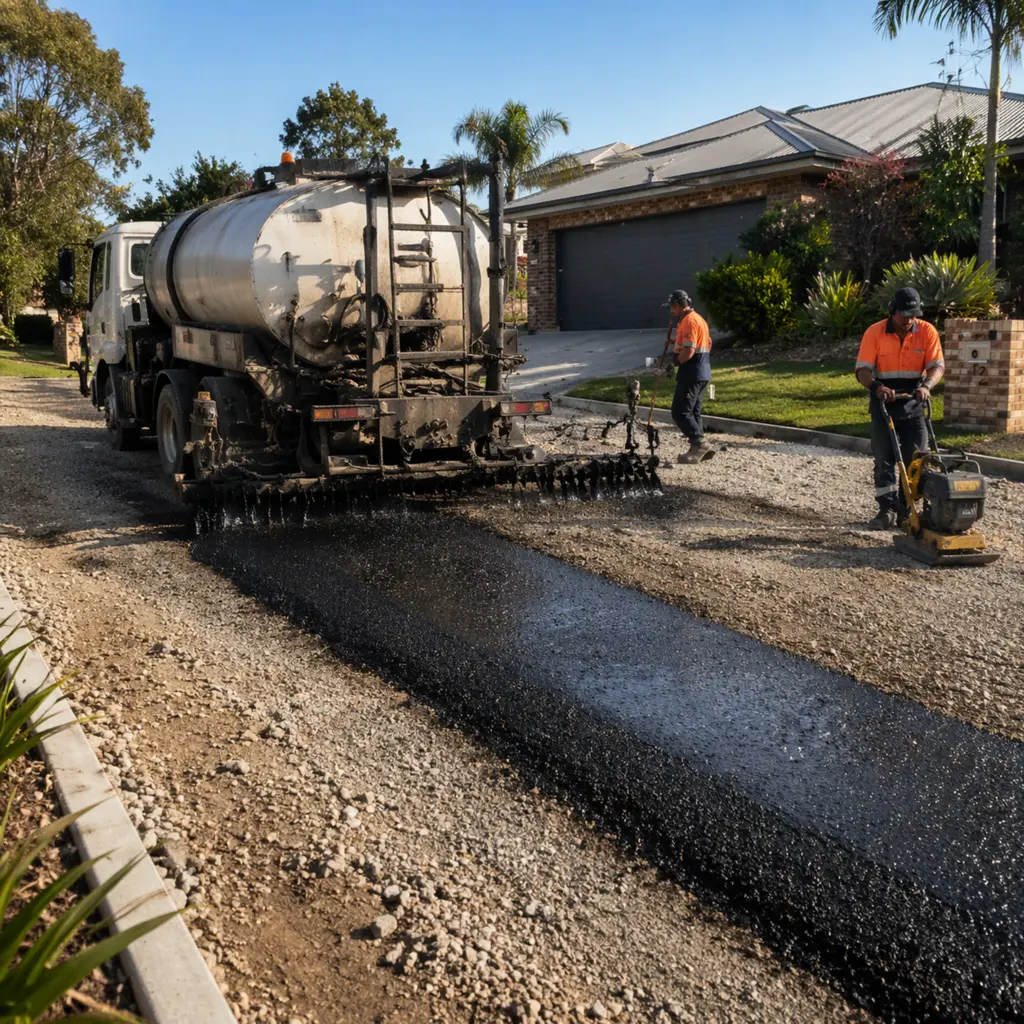
Full replacement means removing the existing asphalt entirely, addressing base or subgrade issues present, and building a complete new pavement structure from the ground up. It is a more significant undertaking in cost, time, and disruption, but it is the only option that resolves structural failure rather than masking it.
The higher upfront cost of replacement is often why property owners lean toward resurfacing when it may not be appropriate. A driveway that needed replacement but received an overlay instead will show the same underlying problems through the new surface within a relatively short period. The cost of doing the job properly has not been avoided, only deferred and added to.
Key Signs a Driveway Is Suitable for Resurfacing
The condition of the base is the determining factor in every resurfacing decision. Where the base remains solid and damage is limited to the surface layer, resurfacing is a well-suited and cost-effective solution. Signs that point toward resurfacing include:
- Surface cracking that is widespread but shallow, with no movement or displacement at the crack edges
- Oxidised or faded surface that has hardened and lost flexibility through UV exposure over time
- Minor roughness or texture loss across areas that previously had a consistent finish
- Isolated surface depressions that are cosmetic rather than tied to base movement beneath
- Drainage is functioning correctly with no pooling, tracking, or subsidence visible across the surface
When these conditions are present, an overlay applied to a properly prepared surface will perform well and extend driveway life without the expense of starting from scratch.
Signs That Full Replacement Is Necessary
Some driveway problems extend beyond what an overlay can resolve. The following signs indicate that full replacement is the appropriate solution:
- Alligator or deep structural cracking that reflects fatigue through the full pavement depth rather than surface shrinkage
- Soft or spongy areas that flex underfoot, pointing to base saturation or subgrade failure
- Sinking sections where parts of the driveway have dropped or shifted relative to surrounding levels
- Extensive pothole damage that has broken through the surface into the base material below
- Persistent drainage failure where water is tracking beneath the pavement and undermining the foundation
Each of these reflects a structural problem. Resurfacing addresses only what is visible. Replacement addresses what is actually causing the damage.
Comparing the Two Options Across What Matters Most
| Factor | Resurfacing | Full Replacement |
| Upfront Cost | Lower | Higher |
| Disruption and Downtime | Minimal | More involved |
| Addresses Base Issues | No | Yes |
| Lifespan of Result | Strong when base is sound | Full pavement lifespan |
| Long Term Value | Good for surface level damage | Essential for structural failure |
| Best Suited To | Worn or oxidised surfaces | Base failure or deep structural damage |
The cost advantage of resurfacing only holds when the base is genuinely suitable for it. Where base failure is present, the apparent saving disappears once the overlay needs repeating ahead of schedule.
How Australian Conditions Affect This Decision
Asphalt driveways across Australia face a combination of stresses that influence how quickly they deteriorate and what intervention they eventually need. High UV exposure hardens and oxidises the surface layer over time, making it brittle and prone to cracking. Sustained summer heat softens asphalt in stationary load areas. Seasonal rainfall tests drainage design year after year, and where drainage is inadequate, water works into the base and begins subgrade erosion.
These conditions mean driveways that appear to have only surface damage can have base problems developing underneath that are not yet visible. In high rainfall regions, particularly, what presents as surface cracking can reflect moisture-related base movement that resurfacing alone will not resolve. If there is uncertainty about what is driving the deterioration you are seeing, having the driveway properly assessed before committing to a scope of work is the most sensible step.
Which Option Delivers Better Long Term Value?
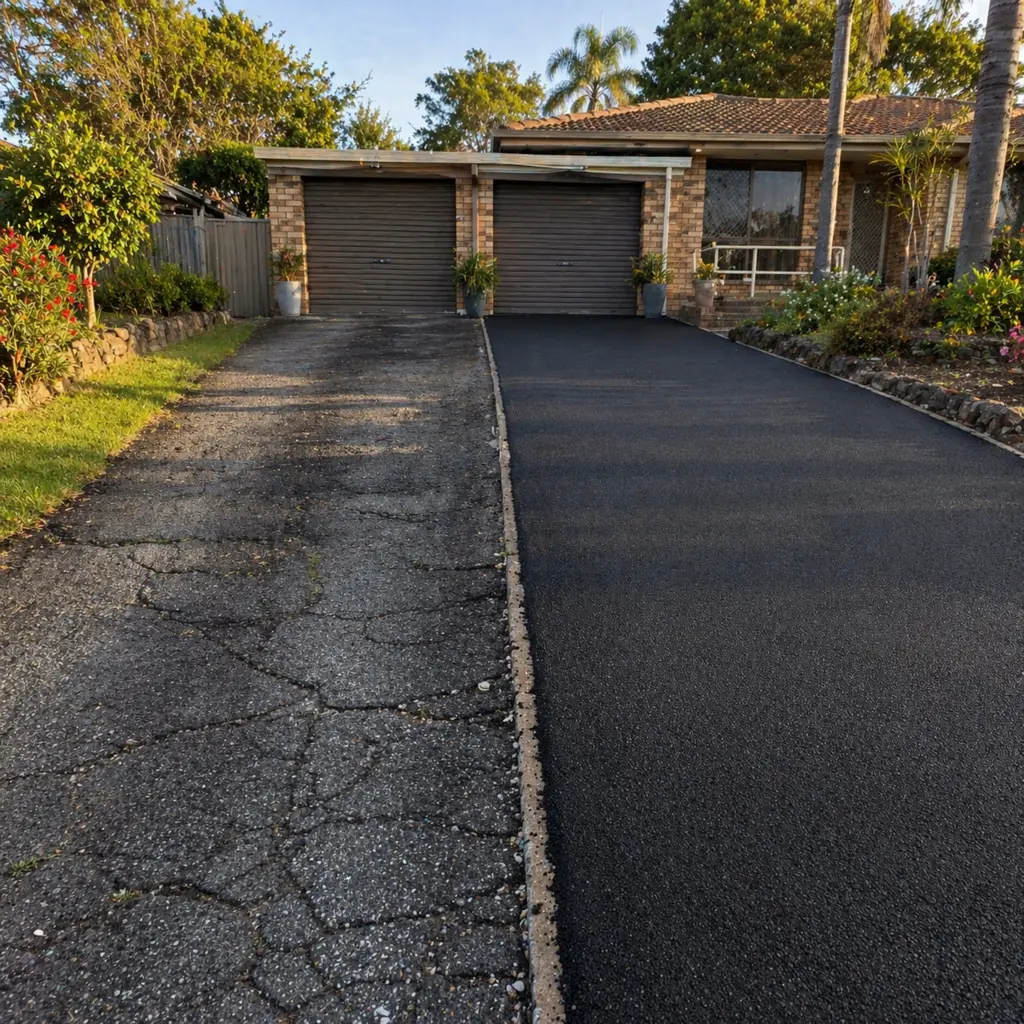
Resurfacing offers strong value when the base is sound and deterioration is limited to the surface. In contrast, full replacement is the only reliable solution for driveways with structural failure. Choosing resurfacing in those cases only delays the problem and increases long-term costs.
The most effective way to decide between the two is through a proper condition assessment. Surface appearance alone does not reveal the condition of the base, and making the right decision early helps avoid unnecessary expense later.
Conclusion
The condition of your driveway’s base is the one factor that decides everything. A professional assessment takes the guesswork out of that question and gives you a clear answer before any money is spent. RC Civil OZ works with residential and commercial property owners across Australia to evaluate driveways honestly and recommend only what the situation actually requires. Reach out before committing to a scope of work, and you will have the information needed to make a confident, cost-effective decision from the start.
Leave Your Comment